
Identify the person coordinating the commercial response
If one person submits the request while another manages daily operations, identify the appropriate project contact and approval path. Share the property facts needed for the quote without providing private information about customers, residents or staff. The useful details concern the actual area, intended work and operating constraints.
Keep the response with the same location photographs and current question. An inquiry may lead to a site discussion, further information or a written proposal; it does not itself confirm a scope or construction date. Ask which next step applies and who should participate if another provider or property decision maker is needed.
When a proposal is issued, compare its boundary and activities with the request you submitted. Identify any separate review or deferred task before approval. A clear handoff from inquiry to scope helps the owner and operator understand the work without assuming every issue mentioned in an initial message has already been inspected or included.
Start the conversation
Tell us about
the property.
Include the address, current surface condition, and how the space is used. If you have photos, show both the problem area and the surrounding pavement.
Call
(985) 788-0493
Submitting this form is a request to discuss the project. Pricing, availability, and final scope are confirmed separately. Do not include sensitive personal information.
Choose the reply method you prefer. A text or call reply needs your phone number; an email reply needs your email address. You can leave the other contact field blank.
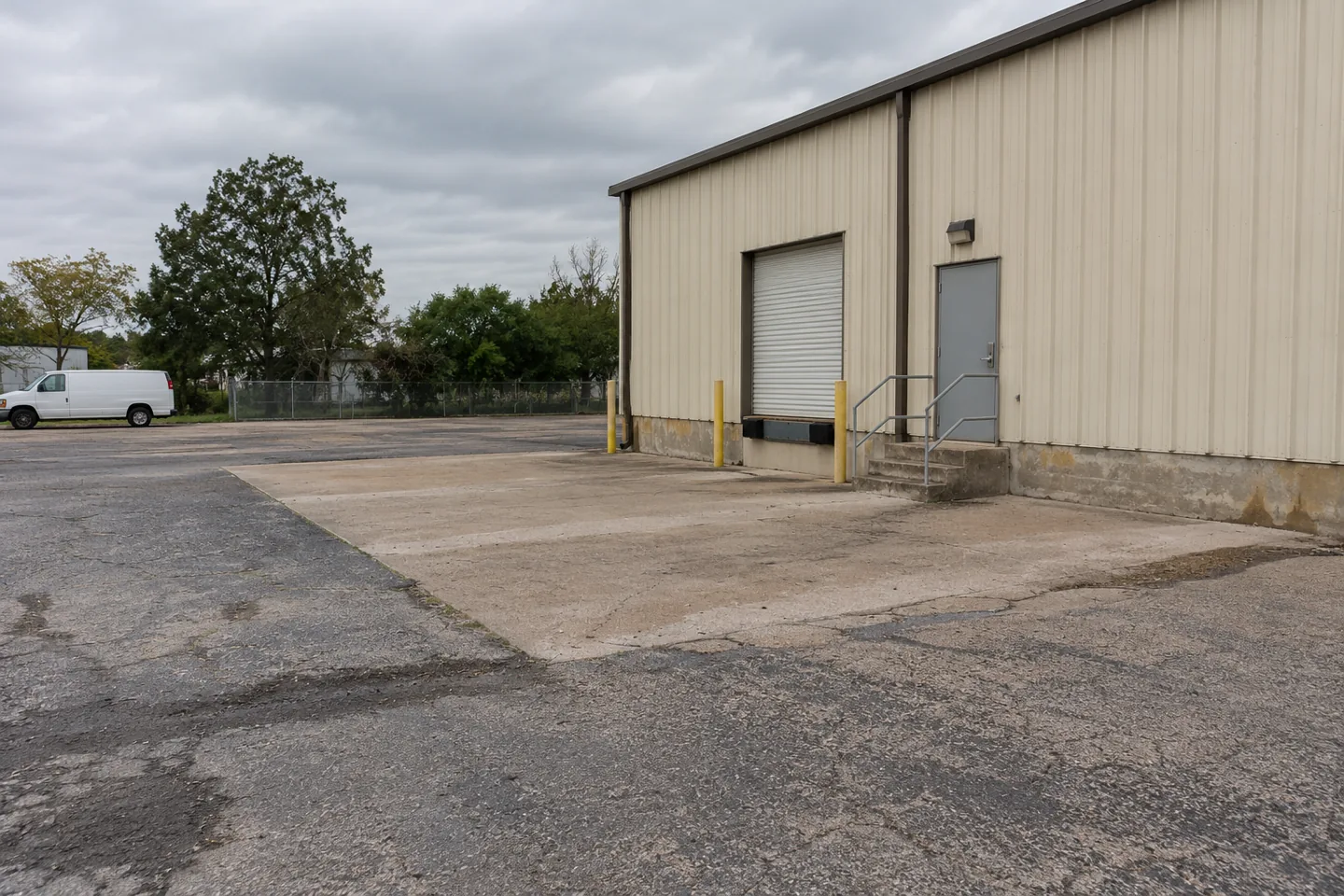
Share wide and detail photos of your own property to begin a project discussion.

Identify the property and the actual pavement section
Begin the commercial request with the complete project address and a recognizable description of the area involved. Name the parking section, entrance, loading approach or other surface you want reviewed, connecting it with wide current photographs and fixed landmarks. State the improvement the owner is considering and what prompted the inquiry. A broad property name may not identify the particular area when the site has several buildings or user groups. The initial message should give Asphalt Solutions enough context to discuss the current request without assuming a general commercial paving label describes every surface or feature across the entire property.
Keep several requested items individually located. A damaged customer aisle, retained concrete apron and service-yard boundary may each need a different scope question even when they share one address. Explain what you actually know about earlier work and identify relevant provider records with their sources. Leave hidden conditions and uncertain details clear rather than assigning a technical explanation from photographs. The form begins a conversation about the requested improvement. Actual property information, work limits, included preparation and responsible-provider responses still need review before an offered scope, construction date or operating arrangement can be treated as confirmed.
Describe the activity the work must account for
Tell us how customers, tenants, staff, deliveries and service contacts ordinarily use the requested section. Identify operating hours or known owner restrictions relevant to that area. A parking lot beside a main entrance and a loading approach can raise different access questions, so connect the activity with its actual location. Avoid turning an owner's preferred route into a confirmed traffic arrangement in the first inquiry. The contractor needs to understand the real property operation before discussing how the selected work and responsible contacts' actual instructions can be coordinated for the section under review.
Name the person coordinating property users and the contact authorized to approve the proposal when they differ. If another provider has a task affecting the same area, identify the current response and any unresolved next step. Keep confirmed visits or instructions distinguishable from planning preferences. This creates a practical starting point for discussion without silently assigning one contractor responsibility for another party's work or an operating decision no one has accepted. A clear contact and activity record helps the owner, manager and providers keep the actual project question connected as the request moves toward a defined offer.
Use photographs to connect condition and location
Include a wide view of the requested section and closer images of visible concerns where useful. Tie the views to the same plain location name and actual date when timing matters. Explain a changed camera angle, obstructed area or different section rather than assuming every recipient can reconstruct the lot from unlabeled pictures. Describe visible cracks, patches, openings, worn edges or water without treating a photograph as confirmation of the cause beneath the pavement. A current image record gives the contractor context for the actual requested work and a way to ask for relevant follow-up information.
When a water concern or retained feature is part of the question, show its relationship to the pavement being reviewed. Identify an inlet, curb, walkway, loading apron or threshold in a recognizable wide view. Keep an owner's observation distinguishable from a separate provider assessment. Share reliable records with their source and limitations, leaving an unconfirmed route, dimension or responsibility detail clear. A feature pictured beside the lot does not automatically become included work in a paving price. Ask the actual offer to describe preparation and connection items explicitly so the property contact can understand what is being priced at that section.
Bring desired timing into a realistic coordination discussion
State the work period the property would like considered and explain the operating activity behind that preference. Identify a tenant event, delivery pattern or separate-provider task affecting the same area when relevant. Keep a desired window distinguishable from a confirmed booking. The actual contractor arrangement depends on the selected work and the property information reviewed, so obtain the responsible contacts' current response before notifying users about a construction date or access change. The commercial planning guides can help organize notices and access questions without prescribing a work sequence for a site that has not received its own scope review.
Record who communicates the confirmed arrangement and who updates affected users if it changes. Keep the current proposal, actual work boundaries and provided instructions connected with those notices. If a provider response or owner decision changes the section, ask whether preparation, access, price or timing in the offer needs revision. A management file should make the current version obvious instead of requiring a later contact to combine an early estimate date, a superseded notice and a different provider's message into a plan no party actually accepted for the selected pavement work.
Compare the proposal items as well as the total
Review offered preparation, retained pavement, work limits, concrete connections, markings, exclusions and options as actual described items. Do not assume every commercial paving heading includes the same task or every feature in the request photographs. When comparing providers, share the same current sections and operating record, then ask significant scope differences to be explained. Keep a separate-provider review or additional item visible beside the base offer. A useful comparison identifies what each price purchases at the property, allowing the authorized contact to select a clear scope instead of assuming similar totals describe equivalent work.
Keep optional work, exclusions and deliberate deferrals as different categories. Record the exact items selected and the current version authorized. If clarification changes the proposal, ask about its effect on preparation, access, cost and scheduling assumptions before relying on the earlier figure. Retain other offers as comparison history without blending their separate details into the accepted agreement. This helps the property manager explain the decision to a future owner contact and gives the contractor a clear reference for the actual pavement section and improvement it has been asked to provide.
Choose the reply route and retain the project record
Select a preferred reply method and provide its matching phone number or email address. You can also call or text (985) 788-0493 or email asphaltsolutions18@gmail.com with the property and focused question. Keep the project address separate from billing or business contact details. After an offer is selected, retain accepted boundaries, options, authorized revisions and actual provider instructions together. Review recognizable visible results after permitted access resumes, raising specific questions against that accepted scope. A useful commercial inquiry begins a clear work record that remains understandable through proposal comparison, property coordination and closeout.
For a manager handoff, identify which sections were included, which remained in use under the actual arrangements and which items still have a next step. Keep the responsible contact beside every unresolved provider question in the current written property record. An earlier estimate discussion, unselected option and completed work should not all appear under one general project-complete note. If the owner returns to a deferred area later, provide current observations and operating information before assuming the old offer still fits. This gives the next conversation an accurate starting point and helps a new property contact follow the actual choices without relying on memory or combining different versions of the work.