
Choose your next move
What does your property need?
Choose the project that fits your property and go straight to the useful details.

Residential & commercial
Greater New Orleans & Northshore
Paving · Concrete · Maintenance
Built around your property
Good pavement starts below the surface.
From a home driveway to a busy parking lot, choose the surface work that fits how you use the space.
A plan for the way you work
Keep the property
moving forward.
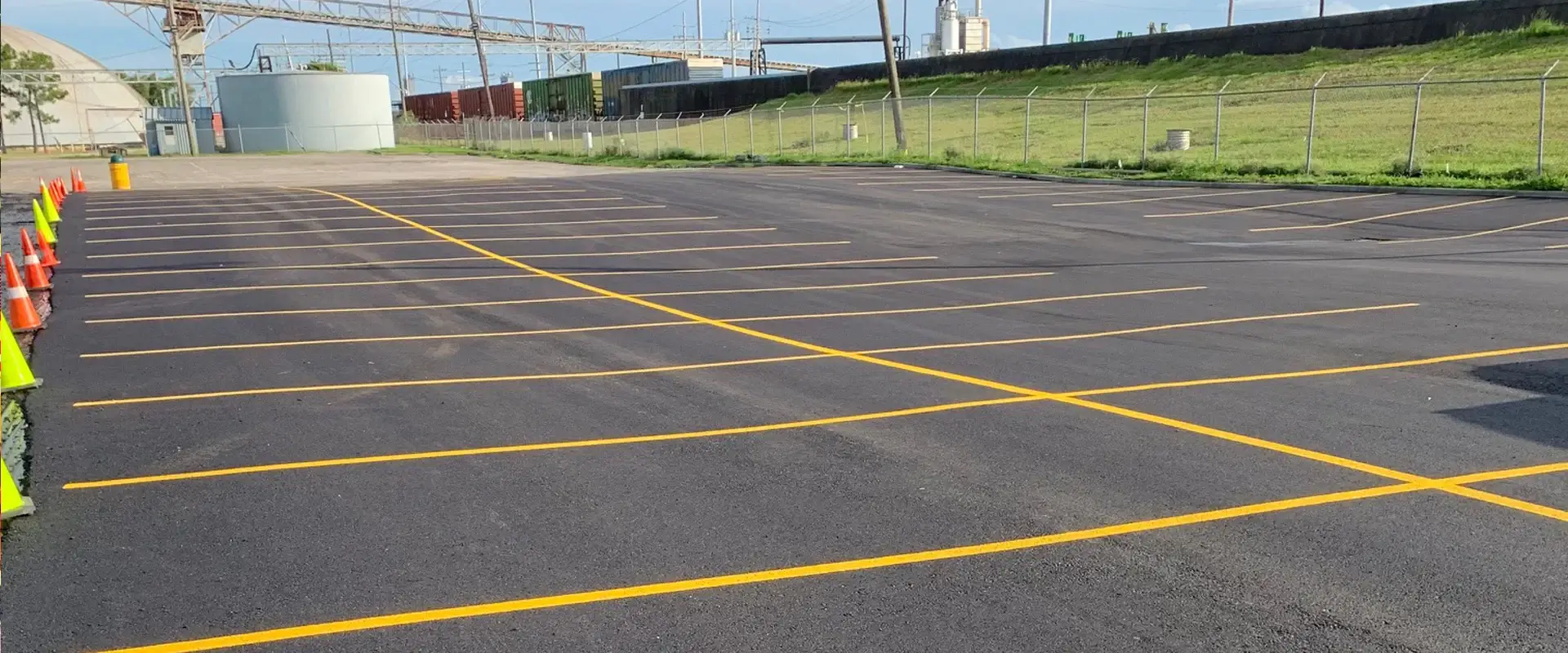
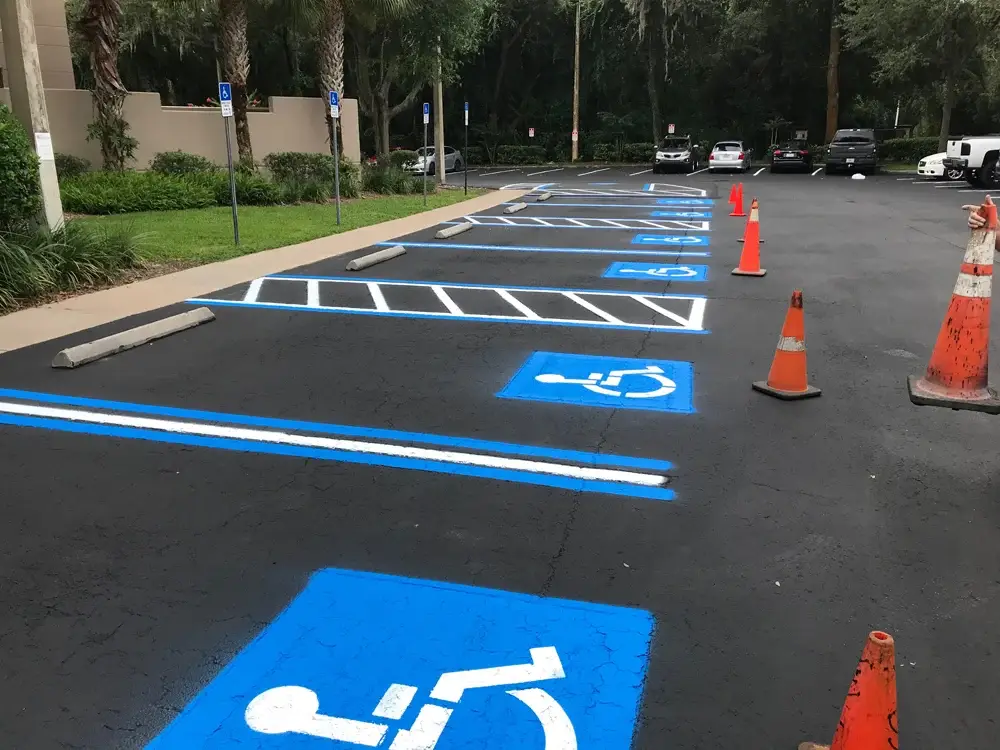
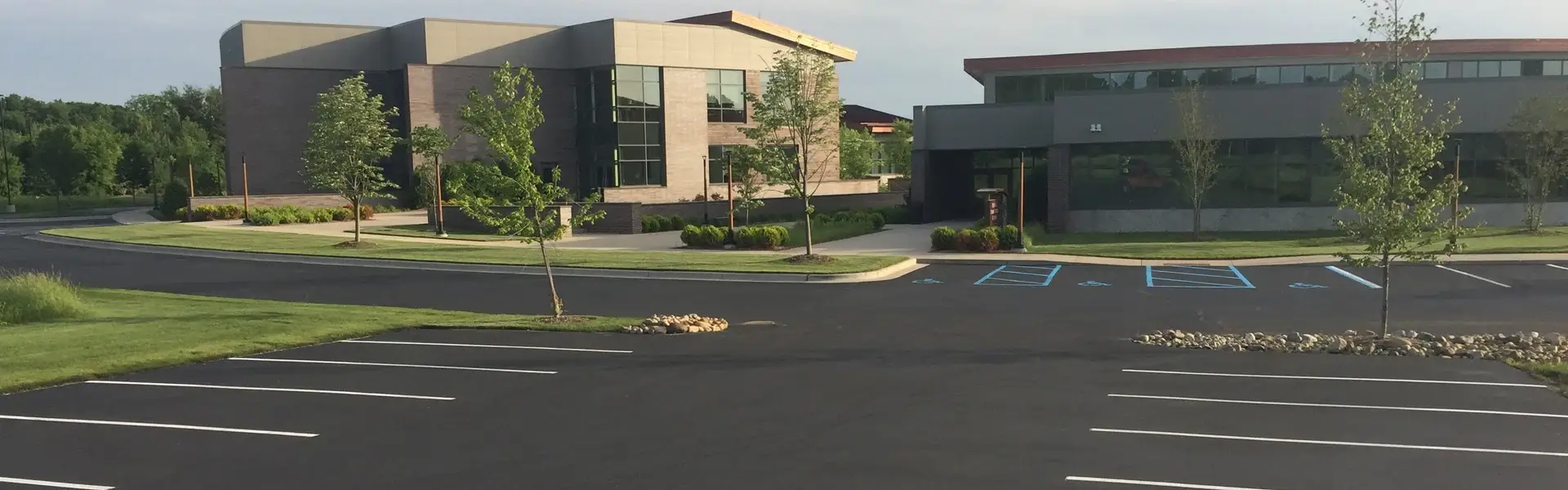
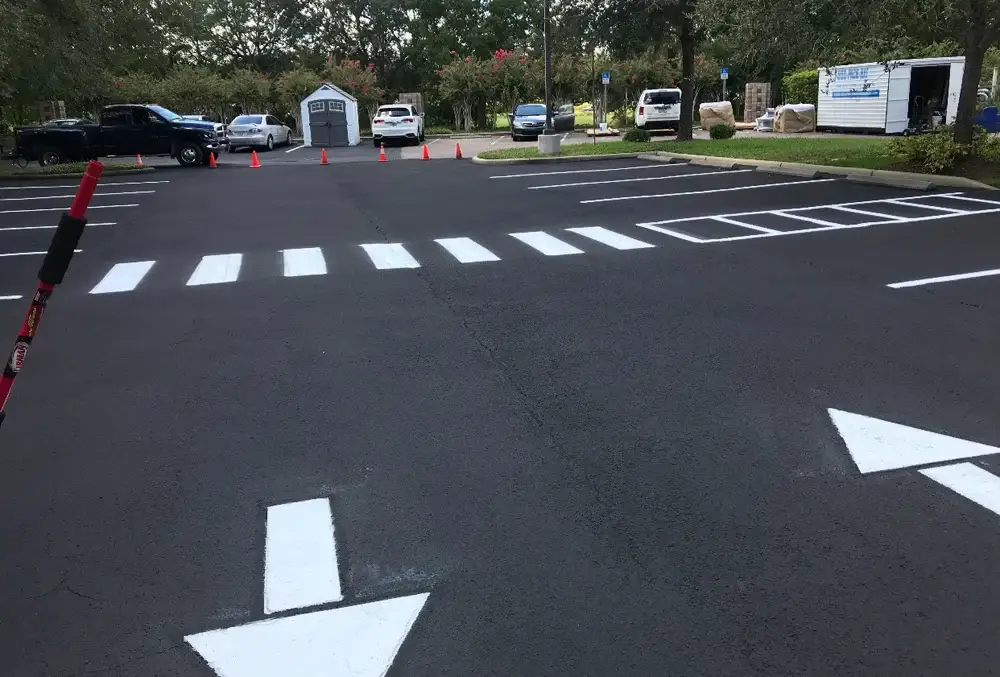
Commercial work needs more than a finished surface. Customer routes, deliveries, tenant access, and work zones all belong in the conversation.
For homeowners, the same care begins at the driveway entrance and continues through drainage, parking, and access to the house.
Paving options
See the driveway difference.
Drag the handle to compare a worn driveway with a renewed paving option.
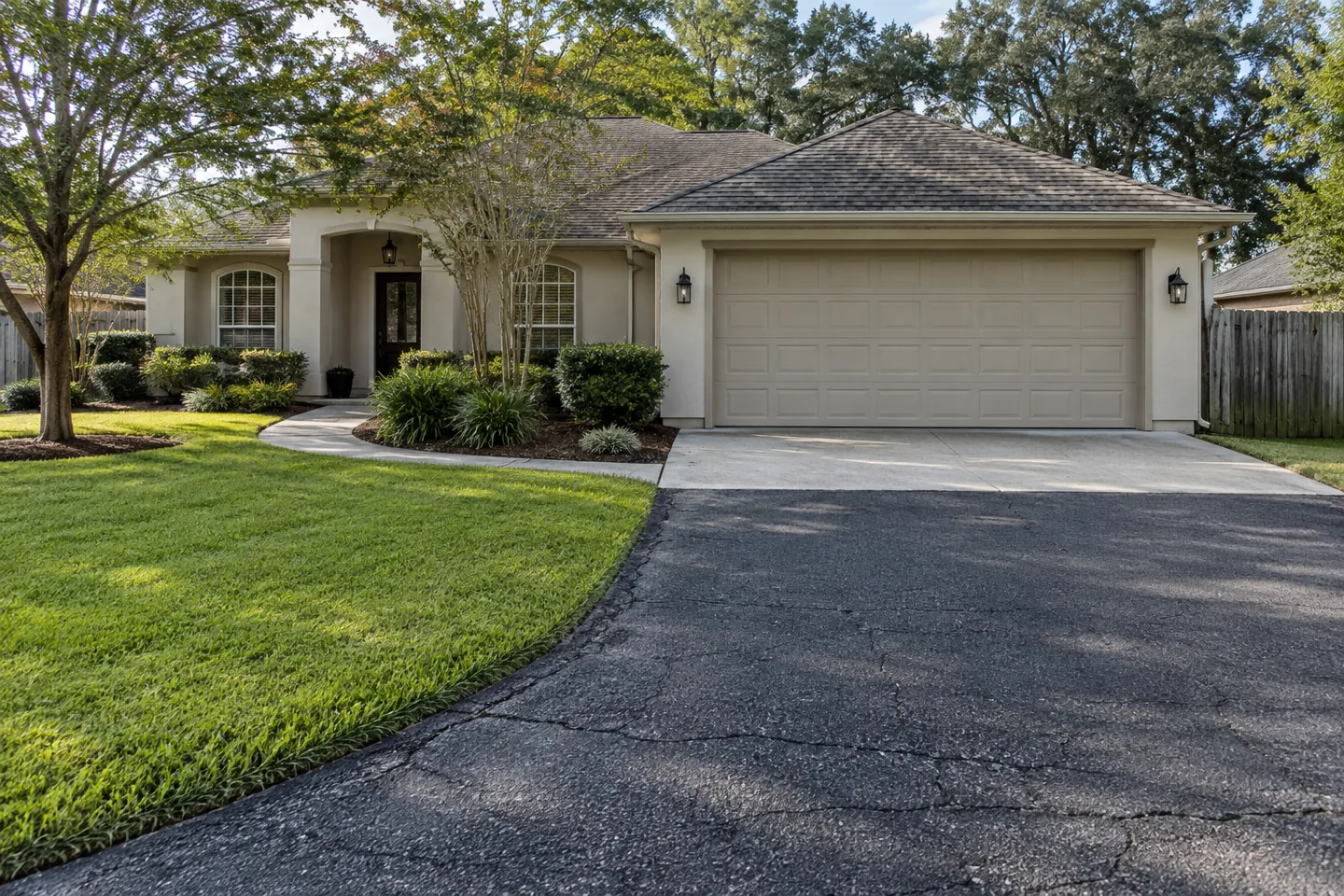
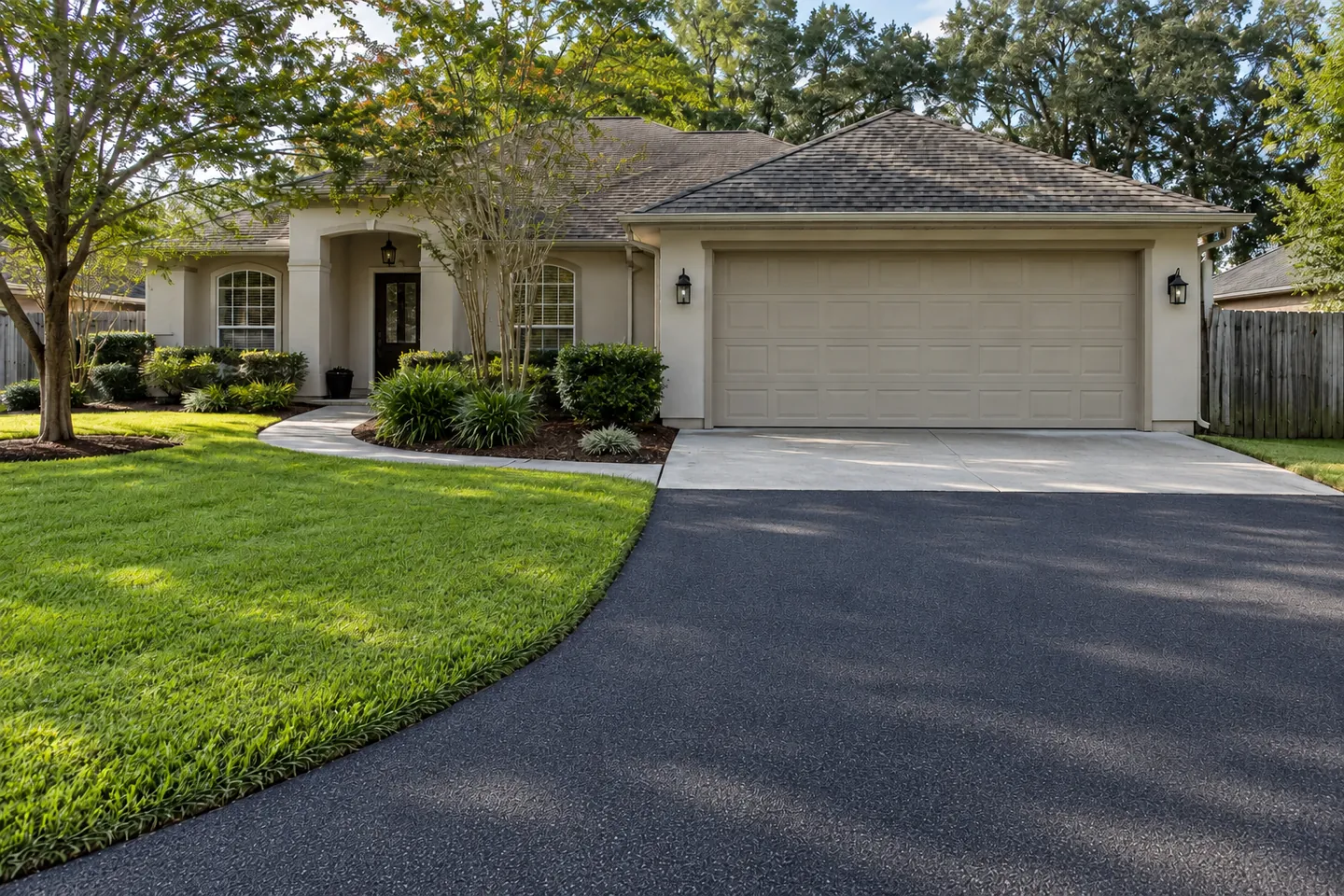
Drag or tap the picture to compare. Use arrow keys when the handle is focused.
From first call to clear scope
Know what happens next.
A straightforward path from your property details to a defined proposal.
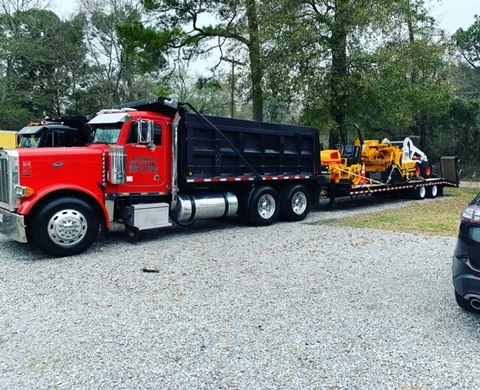
The Northshore
Slidell, Mandeville, Covington and Madisonville. Explore project guidance for your area.
Greater New Orleans
New Orleans, Metairie, Kenner and Westwego. Find the local guide for your project.
Make an informed decision
Practical pavement guides.
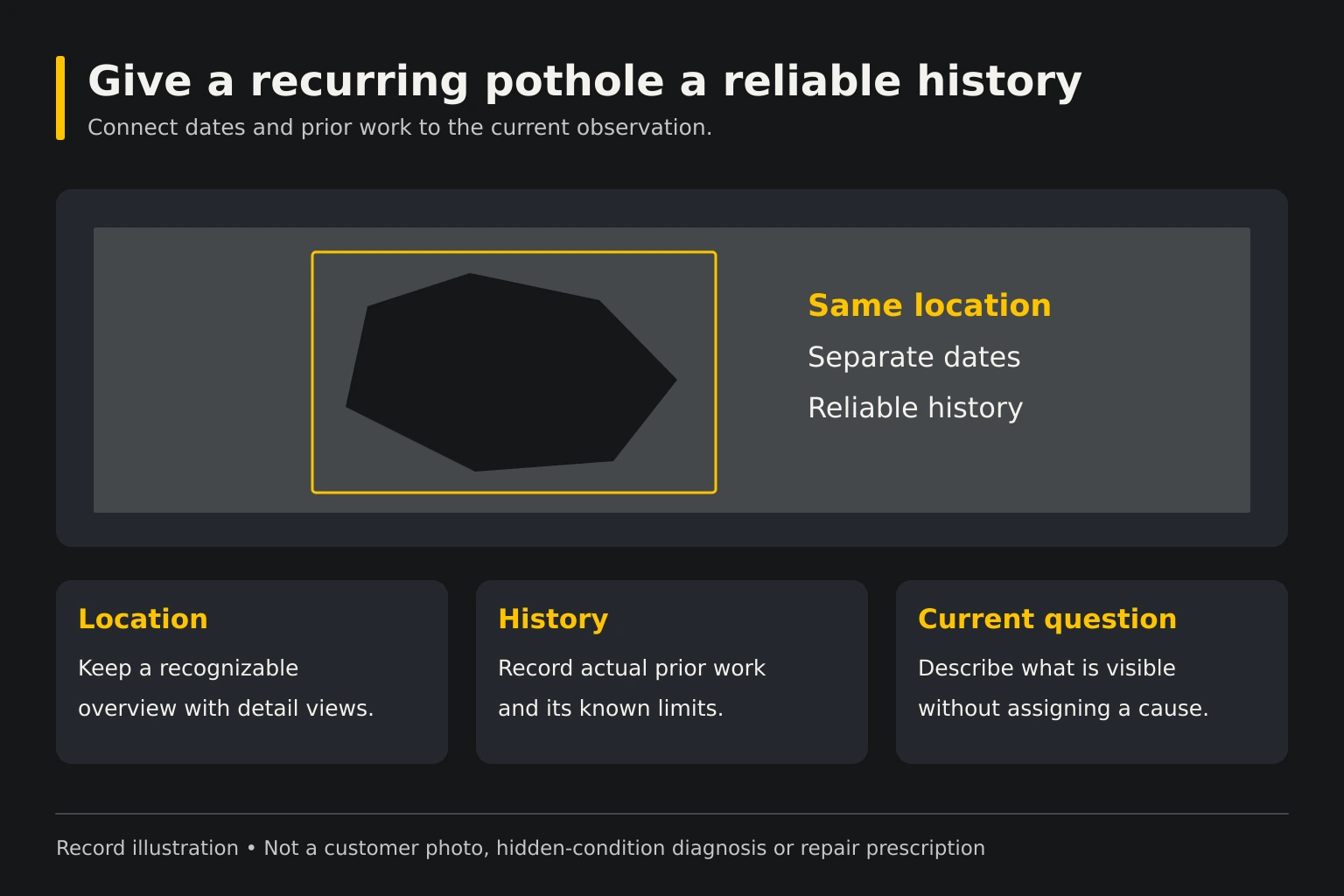
What a recurring pothole can tell you
When the same hole returns, its repair history is useful evidence.
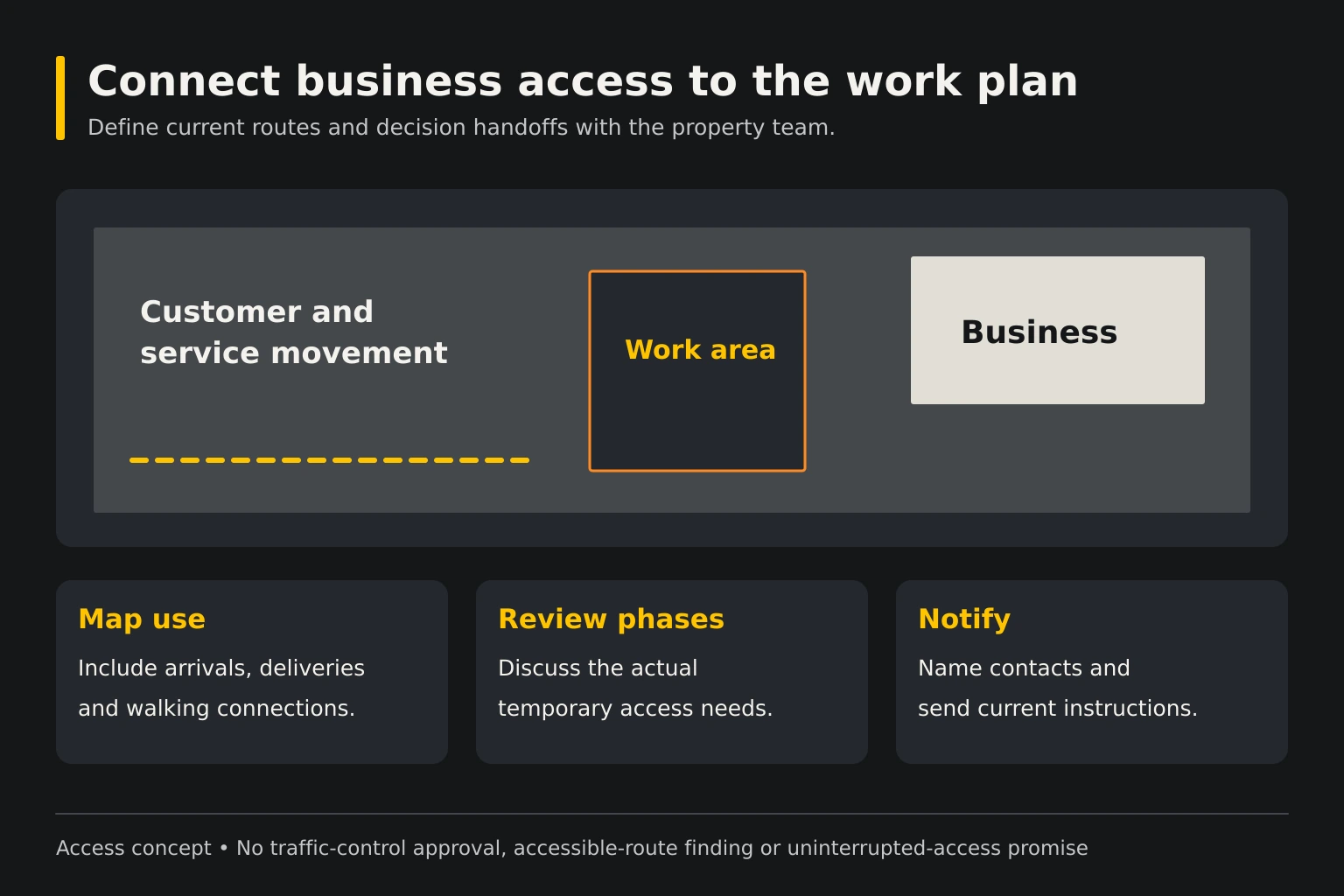
Parking-lot work while the business is open
A commercial pavement plan needs the operating schedule before the construction schedule.
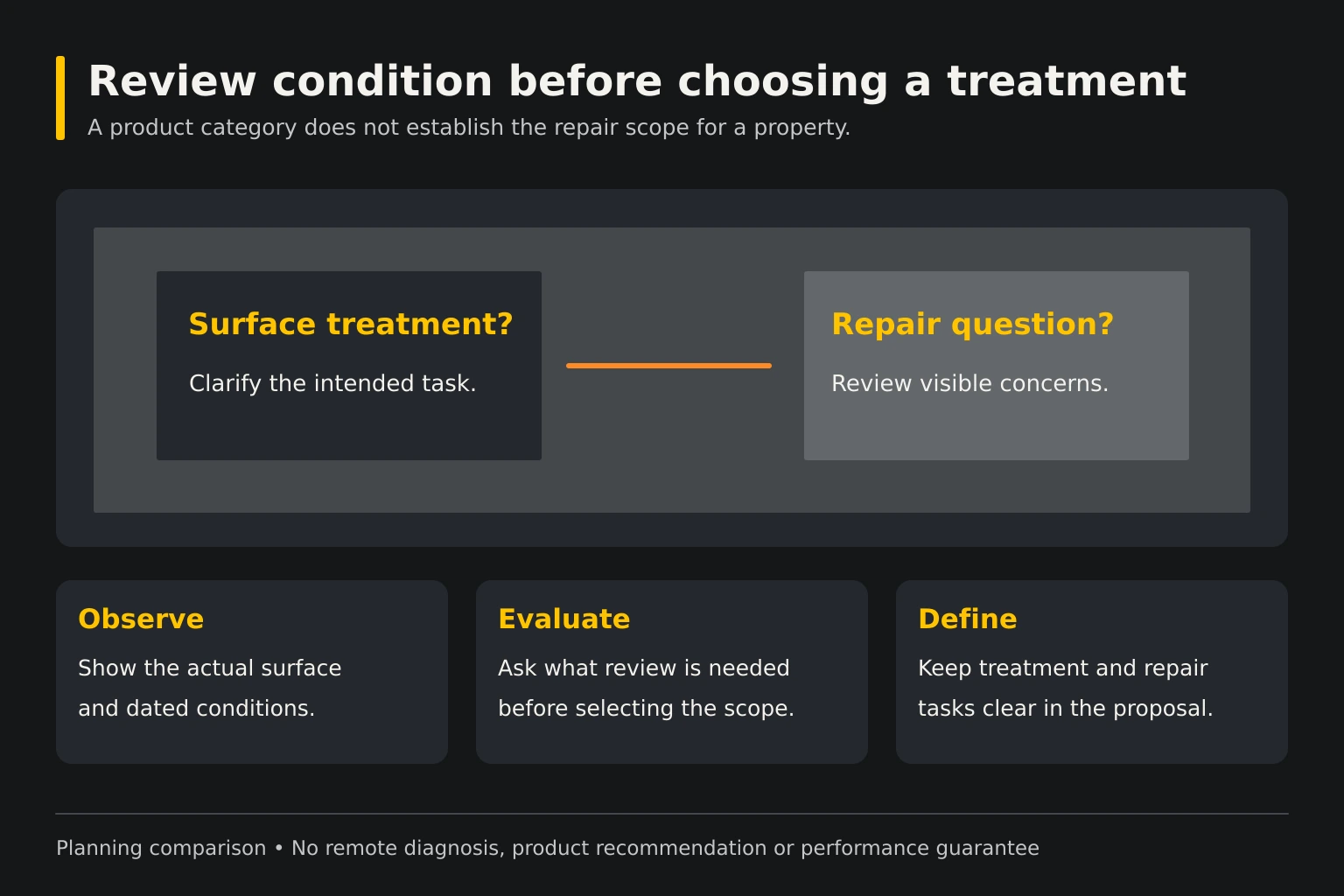
Sealcoating or repair: start with the pavement condition
A fresh dark finish can make asphalt look renewed, but appearance and structure are different questions.
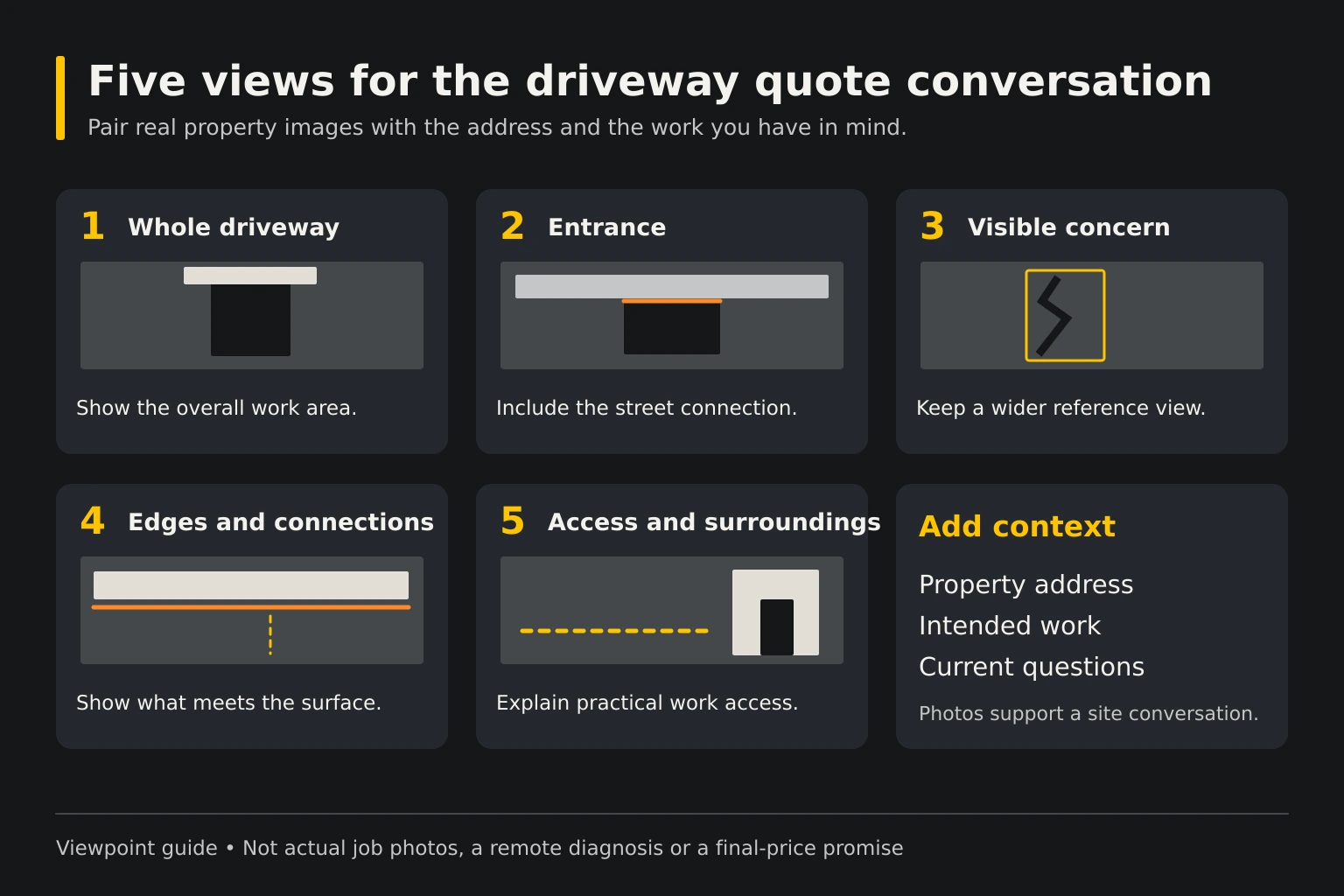
A better driveway quote starts with five photographs
Before requesting a price, photograph the driveway from the street, from the garage, and across its width. Add a close image of the most important defect and a view of the water ou
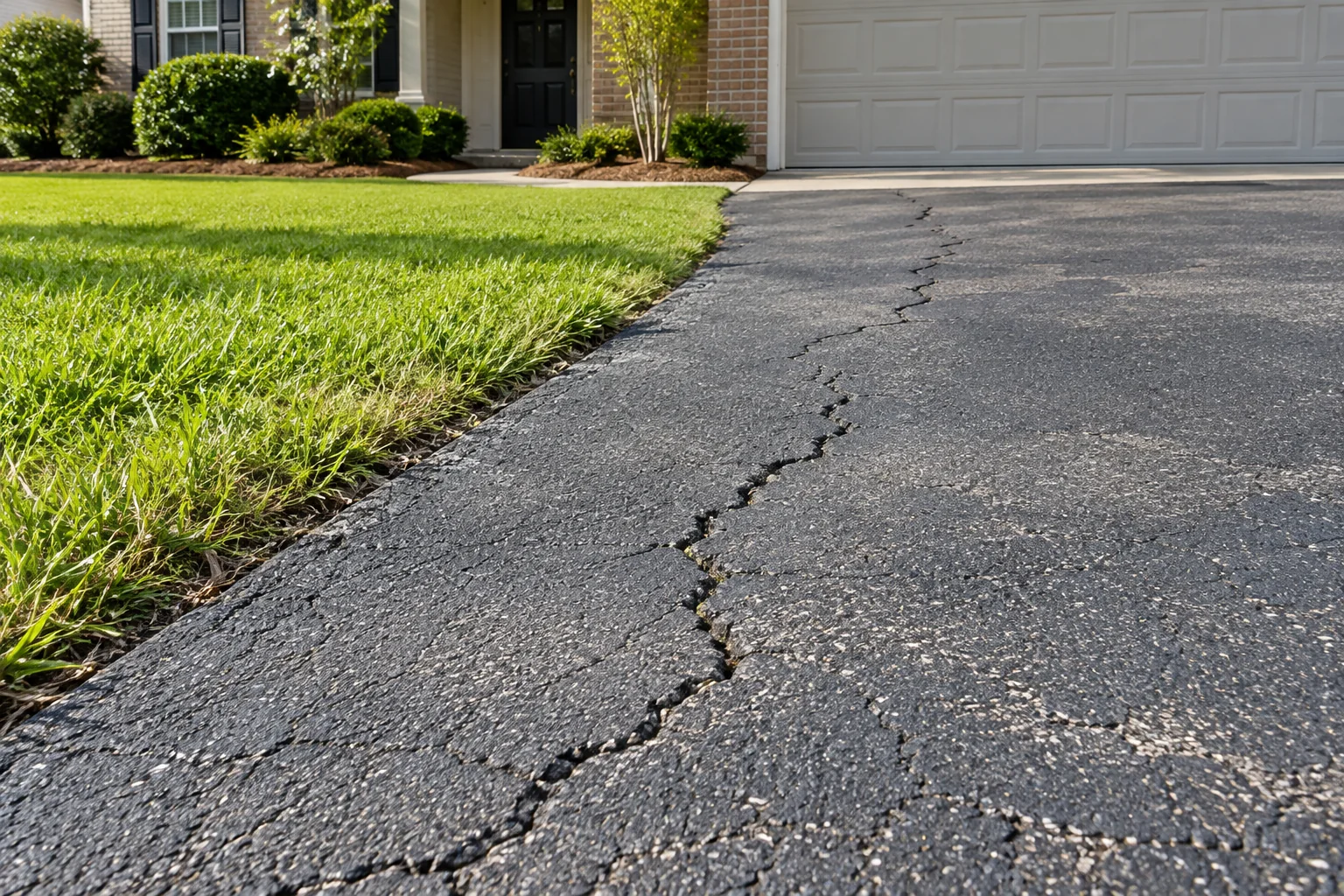
Why Driveways Crack in Louisiana Soil Conditions
Cracks can reflect supporting ground, water, installation details, and the way a driveway is used.
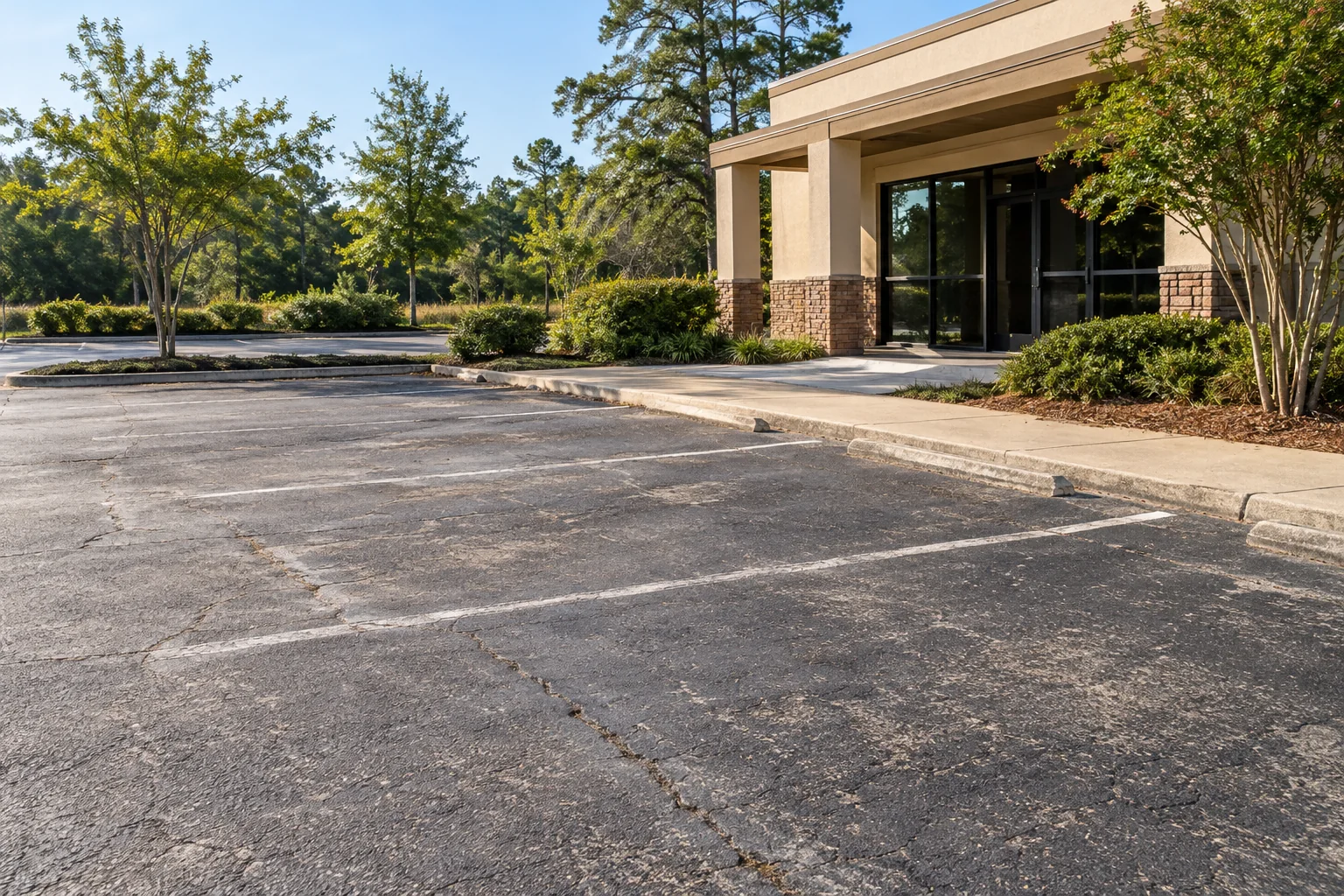
Common Parking Lot Issues for Mandeville Businesses
Look at pavement defects, water flow, and customer movement as separate parts of the site.
A better driveway begins with how you use it
A driveway connects more than a parked vehicle with the street. Tell us where you enter, where you need to park and how people reach the house. Explain whether the request concerns a worn section, a larger replacement or a new area beside pavement you intend to keep. Wide photographs help connect that request with the garage, walkway, lawn boundary and entrance. You do not need to choose a construction method before starting the conversation. A clear property question is enough to begin discussing which section needs review and what the actual improvement should accomplish for the household.
If the driveway has been repaired before, describe what you know about that work and where the concern returned. Show visible cracks, missing pavement or water without assuming a photograph identifies every condition underneath. Keep a garage threshold, downspout or retained concrete connection recognizable in the record. Our driveway and repair guides help you organize those questions before comparing an offer. When a separate provider's task affects the same area, identify the contact coordinating it. The useful next step is a proposal with understandable boundaries and preparation, connected to the driveway you actually use and the result you want discussed.
Keep the parking lot connected to the business
For a commercial property, begin with the activities the pavement supports. Describe customer parking, tenant entrances, deliveries, service access and any operating hours that affect the requested section. Identify the property contact who coordinates users and the person authorized to approve the work when they differ. A wide lot photograph is useful alongside recognizable section names, so a repair near the service door does not become confused with work at the main entrance. These details help the scope conversation address the actual property instead of treating every commercial lot as an open empty surface with the same access needs.
Ask which work boundaries, preparation and related items the actual offer includes. Parking-lot paving, repairs, concrete connections and markings can involve different tasks, so make important distinctions visible in the proposal. Explain the routes the business wants reviewed and obtain the contractor's confirmed arrangements before notifying users about a work window or reopening. Our commercial resources cover tenant notices, deliveries, phased access and approval records to help managers organize the discussion. They support a practical estimate conversation while the selected scope and actual provider instructions define what happens at the property and how the work is coordinated.
Choose the service around the condition
Asphalt paving, resurfacing, localized repair and surface maintenance are different starting points. Describe the existing surface and the intended improvement before assuming one treatment suits every concern. A new area, an older patch, a damaged edge and a surface suitable for maintenance call for different questions in the assessment conversation. The services hub connects you with the relevant guide, including paving, sealcoating, crack repair, potholes and concrete. Use those pages to identify what you want reviewed, then ask the contractor to explain the actual preparation, retained features and boundaries included in its offer for the requested section.
Concrete questions also benefit from a clear connection to the rest of the property. Identify the driveway, patio, curb or walkway involved, how it is used and which adjoining surfaces remain. Share visible concerns and any reliable provider records without inventing hidden dimensions or choosing a specification from a general article. If several surfaces need attention, locate each item separately in the request. A written proposal should let you distinguish included work, exclusions and selected options rather than assume a single service heading covers every feature in the photographs. This makes the offered work easier to understand and compare.
Bring the water question into the scope discussion
If water prompted the inquiry, show where it was visible and record the actual observation timing. A wide view connects a puddle with the driveway, retained inlet, garage or lawn boundary; a closer view can show a particular surface detail. Keep uncertain causes clear instead of presenting a guessed underground problem or neighboring source as a settled finding. The drainage-planning hub provides focused worksheets for those connections. Choose the one relevant to the current concern and share the actual section you want reviewed, so the contractor can connect its offered pavement work with a located property question.
An estimate should make clear which surface work is included and which retained feature or separate-provider task remains outside it. Ask about an unclear outlet, threshold, inlet or crossing item before treating a general paving price as an agreement to change everything nearby. Keep a provider's actual assessment with its source and name the contact obtaining an unresolved response. When information changes the requested work, ask whether the proposal needs revision. A practical record preserves the difference between an owner observation, a separate assessment and the actual accepted paving scope throughout the conversation, approval and visible closeout review.
Both sides of the bridge, one clear next step
Asphalt Solutions serves project inquiries across Greater New Orleans and the Northshore. Start with your side of the bridge, explore the service-area hub and give us the complete property address. The city guides help you find a useful route into the service information; the actual location, access and requested work still belong in the estimate discussion. Keep the project address distinguishable from a billing address or business contact location. If the property entrance is difficult to identify, explain the ordinary approach and the section involved so the first conversation starts with the right place in view.
Use the project quote form, call or text (985) 788-0493 to get started. Send current photographs, intended use and the improvement you want reviewed, with relevant access needs and provider information. Choose your preferred reply method and provide the matching contact detail. Visits to 299 Ashton Parc in Slidell are by appointment only; call or text to arrange a time. An inquiry starts the project conversation. Keep the actual proposal, accepted choices, confirmed arrangements and provided instructions together as the work is discussed, so the next step stays connected to a clear scope for your property.