
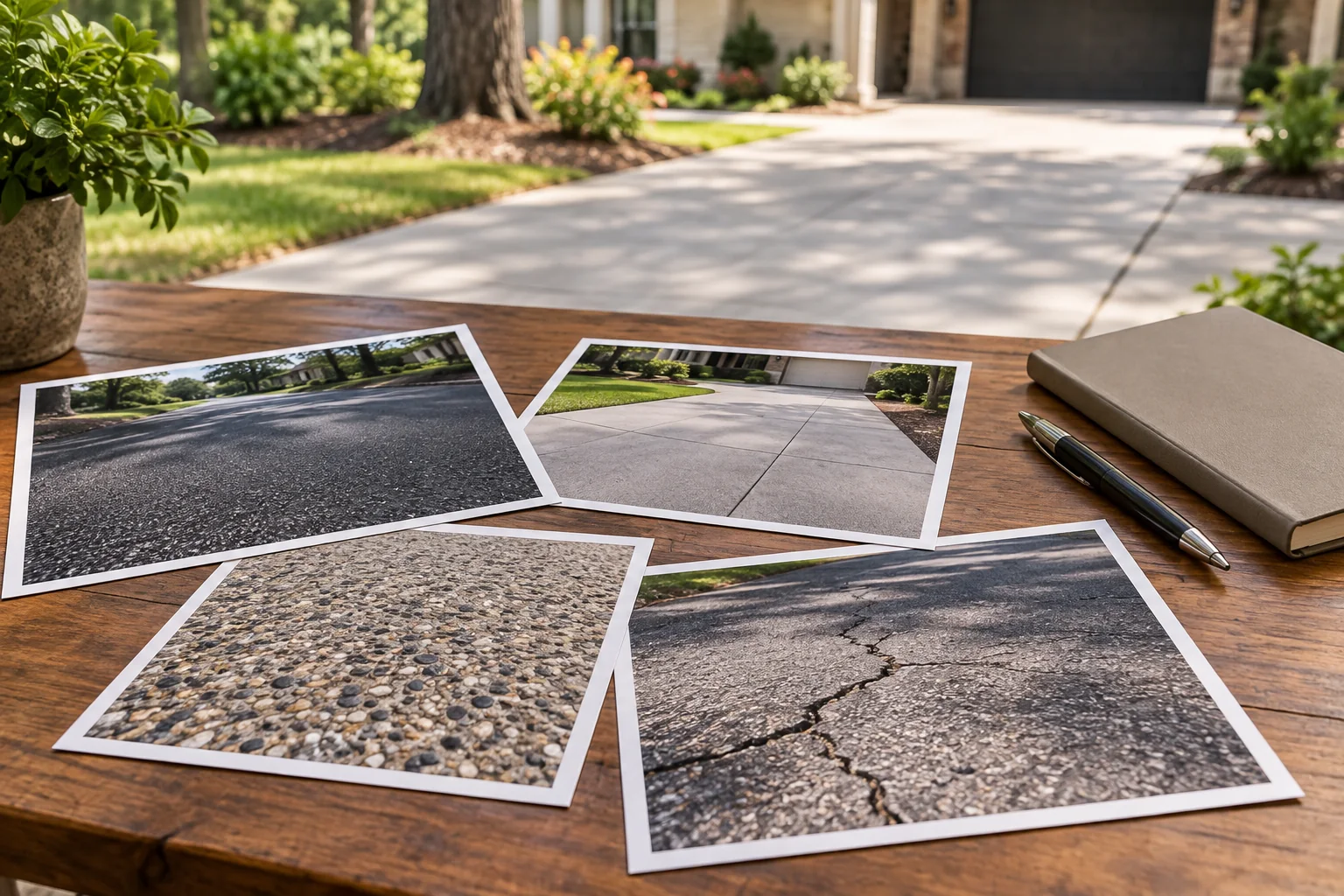
Use the journal to prepare a better project conversation
The pavement planning journal brings together published articles about asphalt, concrete, property use and project coordination. Start with the question you are trying to answer, then connect the relevant article with the actual conditions at your property. Reading can clarify what to ask, but it does not establish the right treatment or final specification for a surface that has not been evaluated.
The article list below remains the place to browse published entries. Use the project checklists when you need a practical preparation sequence, and the service guides when you want context for a particular kind of work. These resources serve different purposes. A journal entry can introduce a concern while the actual proposal defines the work being considered at your address.
Keep your next step concrete. You might need to send useful photographs, explain a recurring condition or clarify an estimate boundary. Choose reading that supports that decision instead of try to learn every technical term before making contact. A clear description of what you observe is a useful starting point even when the cause remains unknown.
Start with the observation rather than a treatment label
Describe the pavement concern in ordinary language before searching for a service. Water remains near an entrance, a repair edge has a step or an opening has changed since the last visit. These observations provide a location and a question. They do not require the owner to decide in advance whether the answer is maintenance, repair, replacement or a separate evaluation.
Use articles to distinguish the question from an assumption about hidden conditions. A photograph can show a visible crack or surface change without reveal every layer below it. General examples explain why context matters, but they cannot diagnose another property from appearance alone. Bring the article's useful questions into the assessment and leave uncertain conclusions open.
If a topic seems similar to your situation, note the important differences. The property may have another use, connection, prior repair or access constraint. Those differences can affect what needs review. A journal entry is most useful when it helps you describe your site more precisely, not when it encourages you to treat an illustrative example as an exact match.
Connect reading with a factual property record
Keep the project address, overall images and specific concern together. Label locations consistently so a provider can understand which entrance, edge or parking aisle you mean. Original dated photographs can support the discussion, while a simple note explains how the area is used and what you actually noticed. Mark unavailable dates or details as unknown rather than fill gaps with guesses.
When collecting images, stay in safe and permitted locations. Do not enter active traffic, standing water or a restricted area to reproduce an example shown online. An overall view and description may be enough to prepare the initial conversation. If another view is needed, ask how it can be obtained during an appropriate site visit.
Start with current photographs of your own property. Include a wide view that locates the work area and closer views of the specific concern. Keep dates, earlier scopes and relevant provider findings together, then explain which improvement you want discussed. Those details help connect the guide with the next practical step at your address.
Use service articles alongside the actual proposed scope
When reading about asphalt paving, repair, sealcoating or concrete, identify the task being discussed and its limits. Different activities can address different aspects of a property. A familiar service name does not establish that it is appropriate for every visible concern or that all related work is included in a particular estimate.
Bring the actual proposal into the conversation. Ask which areas and activities are covered, which conditions were reviewed and what is excluded. If the article raises a drainage, structural or adjacent-feature question, clarify who evaluates that issue. Keep separate services and dependencies visible rather than assume one paving line item covers every relevant task.
Avoid using general reading as an instruction to change a surface yourself or as a substitute for provider directions. Preparation, materials, weather and release decisions depend on the actual work. The journal helps owners ask informed scope questions without promising a universal method, price, lifetime or reopening time for every Louisiana property.
Read planning topics in the order your project needs
Before requesting a quote, prioritize photographs, use and access information. Before approving work, focus on scope boundaries, responsibilities and proposal comparisons. Before construction, review coordination and the arrangements affecting users. At closeout, retain the agreed work, changes and instructions. The same owner may need different articles at each stage.
Do not treat every planning task as a prerequisite for an initial call. If you are uncertain where to begin, describe the address and concern. A provider can explain the information needed for the next step. The journal should make the process more understandable rather than create an unnecessary paperwork burden before a basic project discussion.
Use the linked checklists for a more focused sequence when needed. Keep notes about the answers that apply to your property, especially where a proposal differs from an early assumption. A short record of the current decision is more useful than a folder of general articles with no connection to the actual authorized work.
Keep property operations in the discussion
Articles about access and phasing are relevant when pavement work affects an occupied property. Explain active doors, parking needs, deliveries and the users relying on the area. A proposed work boundary alone does not describe how people reach their destination during construction. The complete arrangement and any necessary review belong in the planning conversation.
Identify who authorizes changes and who communicates them to affected people. That may include an owner, property manager, tenant representative or another responsible party. Keep their roles clear without assuming the paving provider controls every operational decision. General reading can identify the coordination need; the actual site plan and agreement must address it.
Follow the instructions for the specific work when an area is released. A finished-looking surface or an example timeline in an unrelated article should not replace those instructions. Keep the current message consistent for users and identify any remaining related-provider tasks. Clear coordination connects the reading with the practical way the property will operate.
Treat publication dates and sources honestly
The list below shows published journal entries. Publication dates describe the article record; they do not establish when your property was inspected or when work should be scheduled. Future scheduled material is not a completed customer project. Read each entry for its stated purpose and connect its questions with current property information and appropriate provider review.
Where an article links to background guidance, distinguish that general source from a specification for your job. A source may discuss a particular product, context or requirement that does not apply unchanged to another project. Ask how any cited guidance relates to the actual scope instead of import a number or instruction without its conditions.
Keep provider findings and original documents with the project record. If later information changes a decision, preserve the earlier record and explain the update. A useful journal supports careful questions and honest documentation. It does not turn every article into a guarantee, measured diagnosis or claim that a pictured example occurred at a customer's property.
Turn a useful article into a clear request
Suppose an owner reads about a recurring patch and recognizes a similar-looking area near a driveway entrance. The useful next step is an address, overall image, known repair history and description of the change. The owner can ask which conditions need review and how the proposed task would be bounded. There is no need to claim the article proves a hidden cause. The provider can explain the evaluation and any separate drainage or structural question.
After the conversation, keep the answer with the actual proposal or visit record. Return to the journal when the next decision arises, and use the focused checklists for preparation or closeout. Contact Asphalt Solutions by call or text with the actual property address. Most projects are at customer job sites. Visits to the Slidell contact location are by appointment only, and listed hours mainly concern phone availability.
Questions about pavement planning journal
Practical articles to help you describe a pavement concern and ask clearer project questions.
All published planning articles
Use these articles alongside the project checklists and the in-depth service guides. Recommendations and construction details depend on your property.
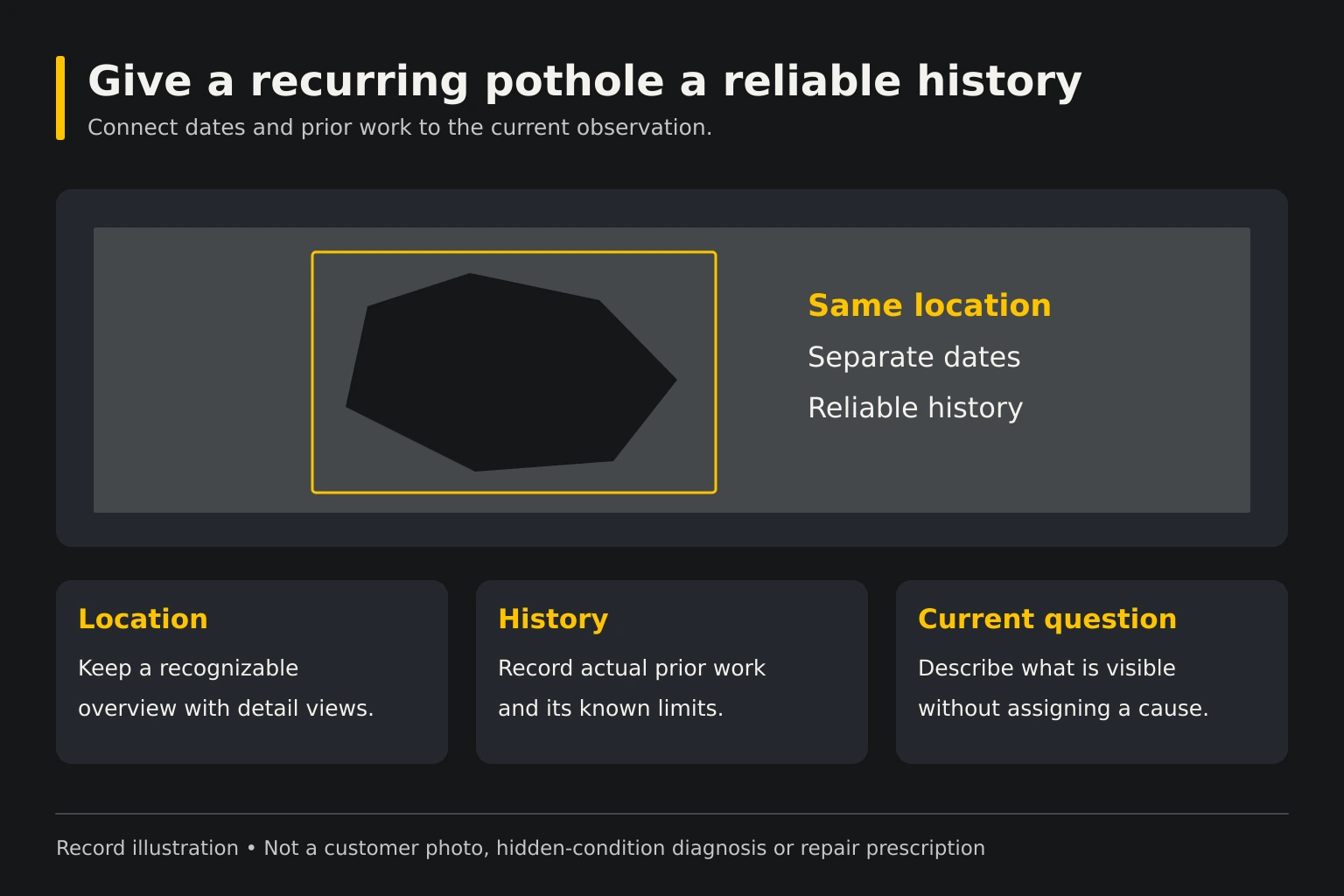
What a recurring pothole can tell you
When the same hole returns, its repair history is useful evidence.
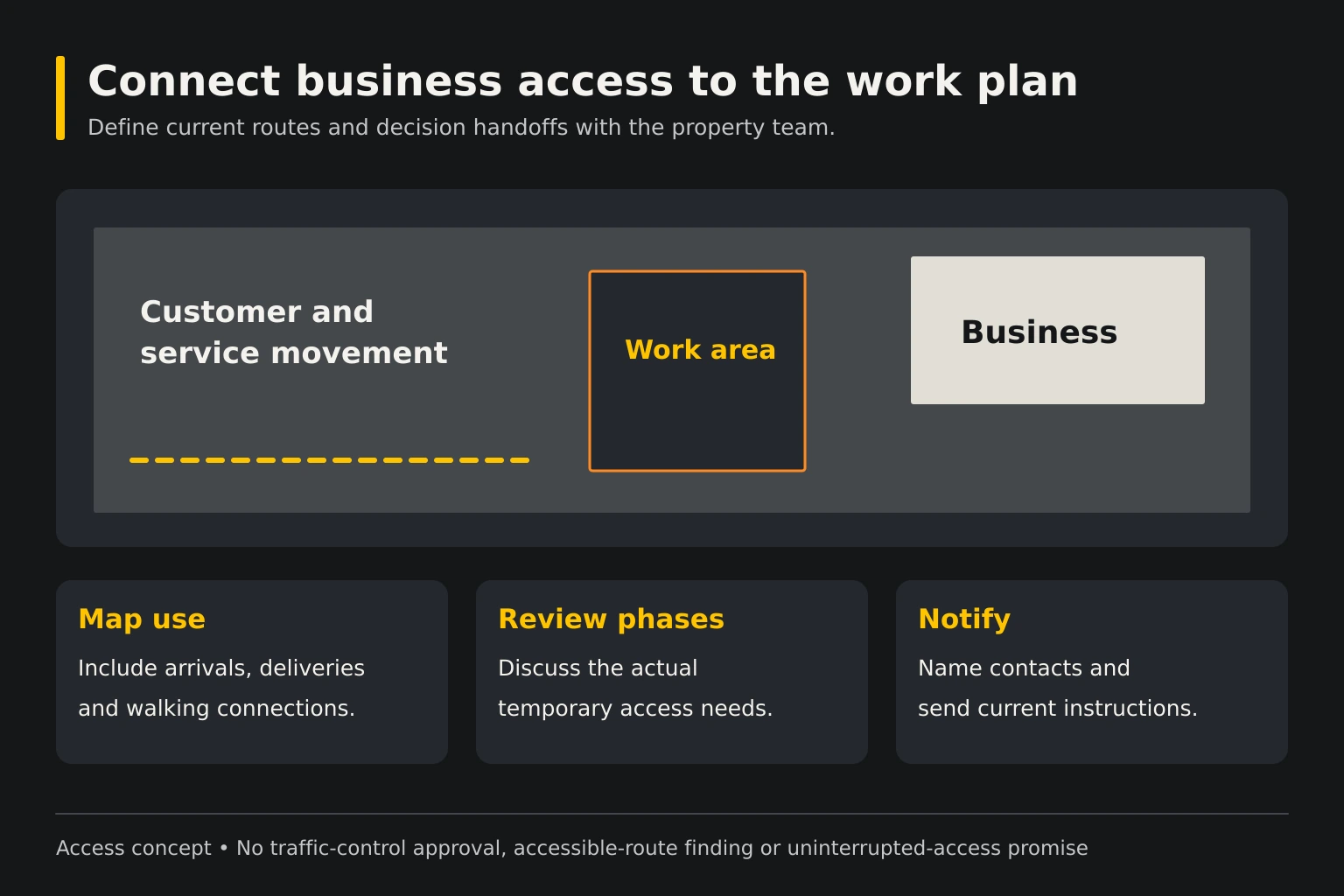
Parking-lot work while the business is open
A commercial pavement plan needs the operating schedule before the construction schedule.
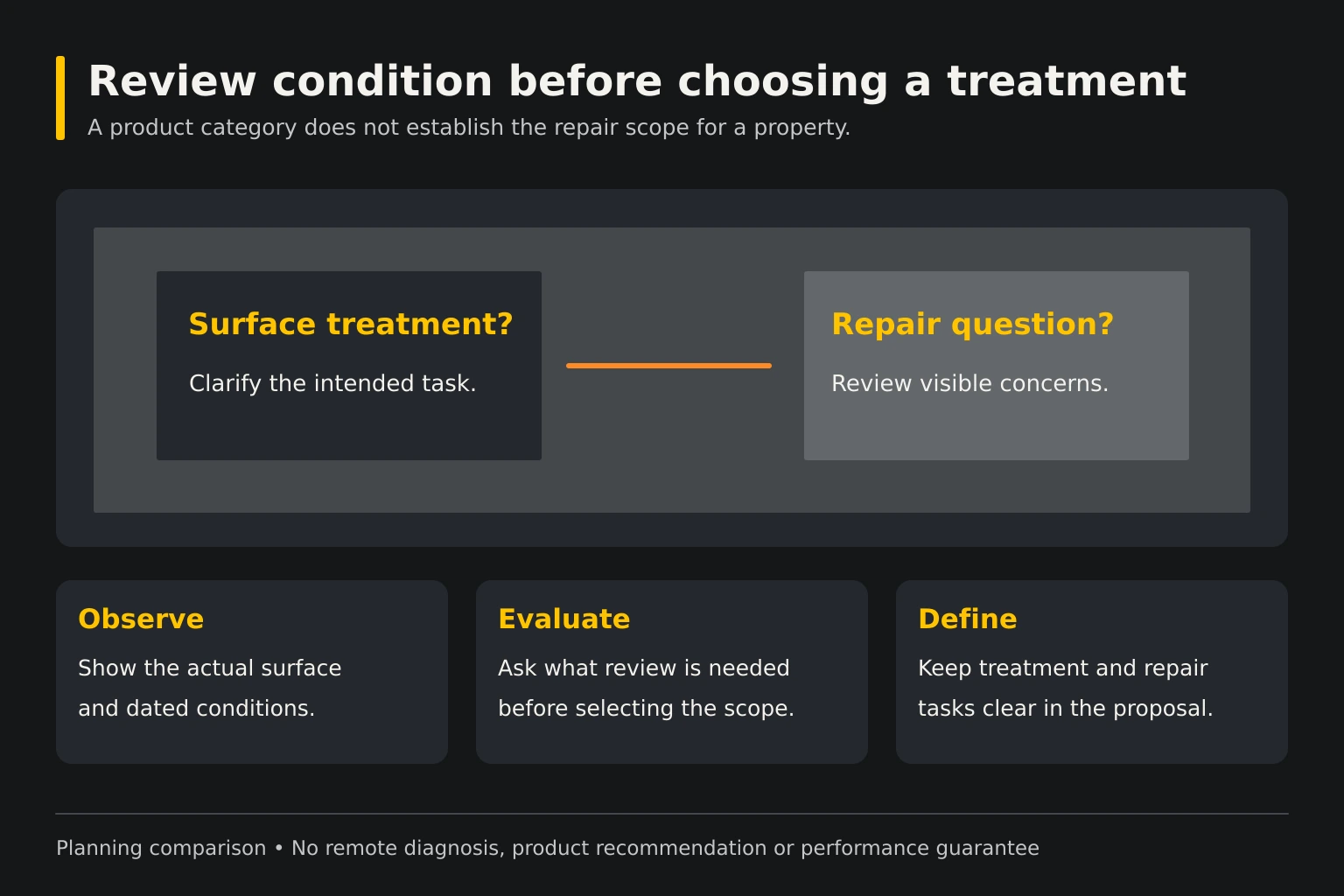
Sealcoating or repair: start with the pavement condition
A fresh dark finish can make asphalt look renewed, but appearance and structure are different questions.
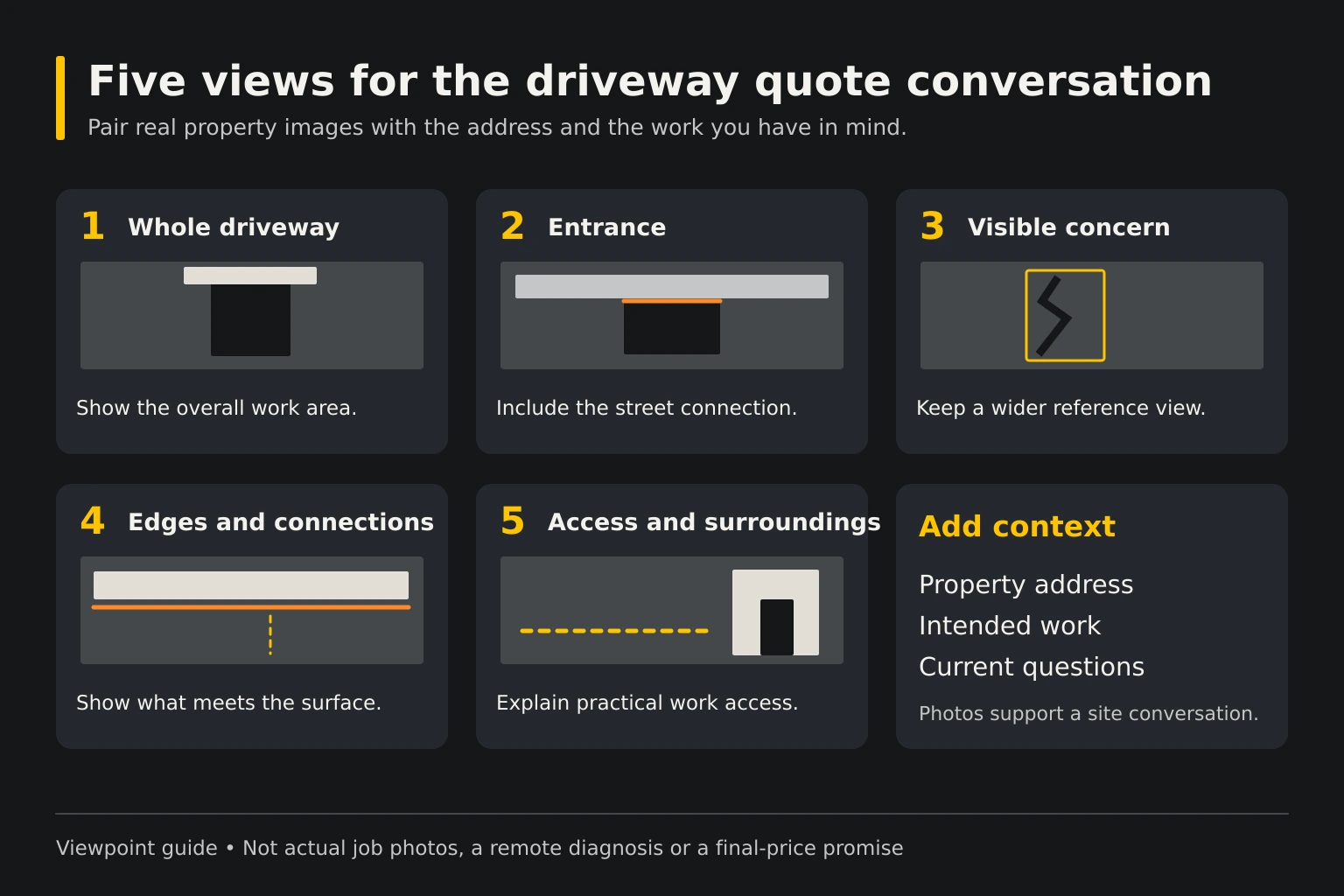
A better driveway quote starts with five photographs
Before requesting a price, photograph the driveway from the street, from the garage, and across its width. Add a close image of the most important defect and a view of the water ou
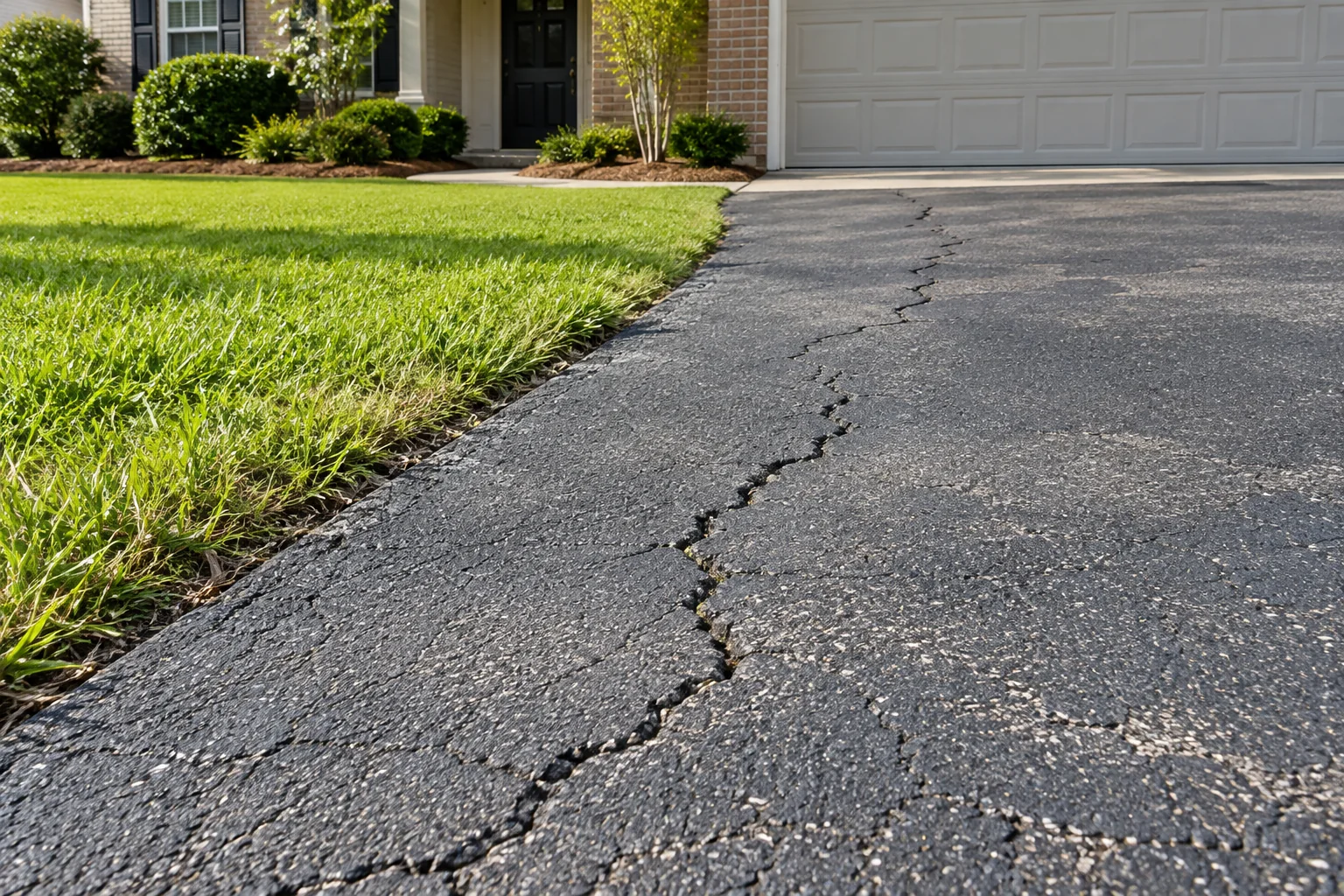
Why Driveways Crack in Louisiana Soil Conditions
Cracks can reflect supporting ground, water, installation details, and the way a driveway is used.
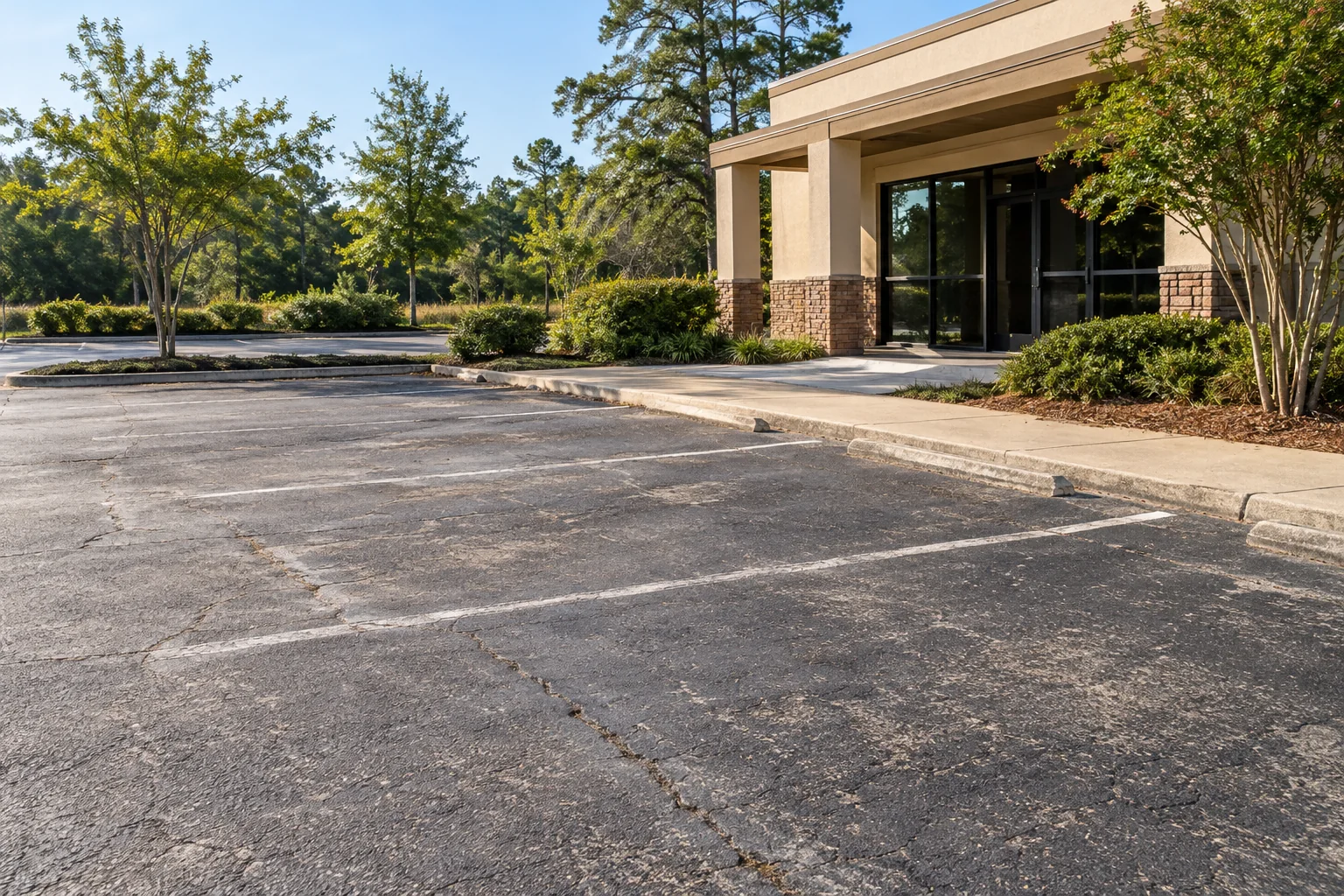
Common Parking Lot Issues for Mandeville Businesses
Look at pavement defects, water flow, and customer movement as separate parts of the site.