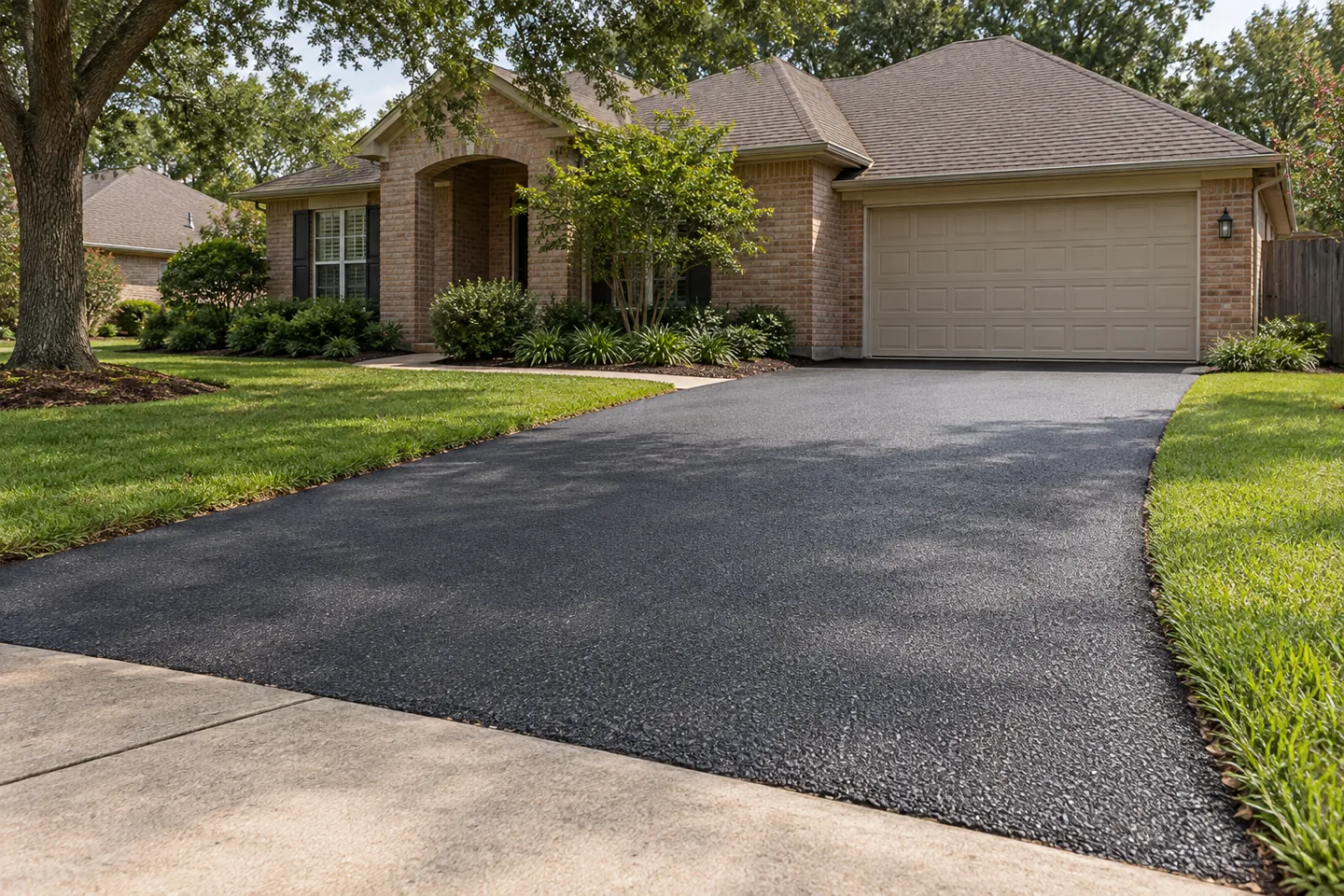
A practical project scope
Repair first, coat second
Sealcoating is a surface treatment. It does not rebuild a weak base, fill potholes properly, or correct a low spot. Cracks and damaged areas need to be evaluated before a coating is applied.
Surface preparation affects the result
Loose material, dirt, and affected oil spots need attention. Ask how cleaning, crack treatment, edges, and adjacent surfaces will be handled in the proposed scope.
Plan for the weather and reopening
Rain, humidity, temperature, and shaded areas affect drying and curing. Discuss a workable weather window, closure areas, and the instructions for foot and vehicle traffic.
What to share for an estimate
- The property address and approximate area.
- Photos of the surface, edges, and any drainage concerns.
- Vehicle types, access needs, and scheduling constraints.
- Whether you need installation, repair, maintenance, or a comparison of options.
Related services
Explore Louisiana service areas or pavement planning guides.
Plan the work with confidence
Sealcoating is a maintenance surface treatment for suitable asphalt. It can be part of a pavement-care plan, but it does not rebuild a failed base, replace missing asphalt or correct drainage by itself.
In this planning guide
- Evaluate the asphalt before choosing a coating
- Preparation deserves its own place in the scope
- Review product, application and weather requirements
- Keep vehicles and people out for the required interval
- Treat markings and future maintenance as separate decisions
- What changes the price?
- Prepare your inquiry
Evaluate the asphalt before choosing a coating
Walk the surface and separate wear from structural damage. Note openings, loose material, movement, ruts and interconnected cracking. Ask which repairs are needed before treatment and whether areas are excluded. A darker finish can improve appearance without resolving the cause of a defect. Coating and resurfacing are different operations with different purposes. If a proposal describes sealcoating as a cure for every pavement problem, request a clearer explanation. The selected treatment should suit the condition and goals of the property. It is reasonable to discuss repair or replacement where maintenance alone cannot address the observed failures.
Preparation deserves its own place in the scope
Cleaning, dealing with loose material and evaluating contaminated areas affect the treatment discussion. Show oil-stained areas and old coatings that peel or wear unevenly. Ask how these conditions are handled and what limitations remain. Selected crack work and patching should have defined quantities or boundaries rather than being assumed included. Drain inlets, adjacent concrete, landscaping and building finishes also need protection and coordination. Compare the actual preparation listed in estimates. Material names and a low total price do not tell you whether the same preparation and repair work are included.
Review product, application and weather requirements
Different products and application methods have their own instructions. Ask which material is proposed, how it will be applied and what conditions are required. Rain, temperature, humidity and the existing surface can affect scheduling and readiness. The contractor should set the work window and reopening guidance for the actual treatment rather than relying on a universal hour count. If weather changes, know who will communicate the revised plan. Do not pressure the work to proceed merely because a calendar date was promised before the conditions were known. A proper scope explains the intended application and its practical limitations.
Keep vehicles and people out for the required interval
Plan where vehicles will park and how people will reach their destination before barriers go up. For a business, coordinate customers, deliveries, staff and waste collection. Pedestrian access and vehicle access are separate issues. Review whether the lot can be treated in phases and how the transition between phases will be managed. Ask for clear written reopening instructions, including any special considerations for turning, standing vehicles or heavier use. A surface can look dry before every operating condition is appropriate. Share the instructions with all users of the property so a visitor does not reopen the area by assumption.
Treat markings and future maintenance as separate decisions
A sealcoating project may require parking markings to be refreshed. Confirm whether striping, layout review, signs and wheel-stop work are included or separate. Copying old paint can preserve a layout that no longer matches the business’s use, so review it first. Keep dated treatment records, preparation details and photos for later comparisons. Future maintenance should respond to the surface condition, traffic and material guidance rather than an automatic promise of one fixed interval. Observe water and recurring defects between projects. Those records help decide when another maintenance treatment is suitable and when repair deserves priority.
What changes the price?
Surface condition, preparation, crack and patch quantities, material and application scope, obstacle protection, phasing and restriping affect cost. A coating quote that excludes repairs is not equivalent to a complete maintenance proposal.
Request a written, property-specific proposal. A photo inquiry starts an assessment conversation; it is not a fixed price, confirmed construction date or final engineering specification.
A practical sequence for the project
- Assess suitability and repairs
- Review cleaning and material
- Choose a weather-dependent work plan
- Arrange closures and notices
- Coordinate markings where included
- Follow reopening and future-care guidance.
Prepare your inquiry
Send the property address, a wide view of the area, close photos of relevant defects and the result you want. Include vehicle types, water observations, prior repairs and access restrictions. State whether your main concern is usability, maintenance, drainage, layout or appearance so the discussion starts with your priority.
Want to start with a text?
Text the property details to (985) 788-0493 or use the quote form. For a larger business property, include the person coordinating access and the operating schedule. Avoid putting confidential tenant or customer information in photos.
Useful questions before approving the work
| Ask about | Get clear in the proposal |
|---|---|
| Work boundaries | Included areas, excluded areas and connections to pavement that remains |
| Hidden conditions | Assumptions, documentation and approval before additional work |
| Property operations | Closures, pedestrian routes, vehicle storage and communication |
| Finishing and care | Cleanup, agreed finishing work, reopening guidance and follow-up responsibilities |
Continue with the details that fit your property
Planning guidance reviewed October 6, 2026. This guide helps organize a contractor conversation; final quantities, materials and construction details depend on the property. Read our guidance and source policy.
Decide what sealcoating is being asked to accomplish
Start the sealcoating discussion by listing the appearance and maintenance concerns separately from damaged pavement. Photograph worn-looking areas, visible cracks, existing patches and places that hold water. Include the surrounding property so the contractor can locate each observation. A darker finish is not the same decision as repairing a depression or replacing failed material. Ask which concerns fit the proposed treatment and which require a separate assessment. This keeps a surface-maintenance request from becoming an assumed structural-repair promise.
When comparing proposals, identify the exact area to be treated and the retained surfaces that must stay outside it. Ask what preparation is included, how existing cracks are handled and whether any repairs are priced separately. If a proposal uses a broad phrase such as complete maintenance, request the itemized scope behind that phrase. Two offers may look similar in a short description while addressing different conditions. Keep exclusions visible instead of assuming every blemish in the photographs will disappear.
Show the boundaries and nearby property features
Concrete walks, brickwork, garage aprons and landscaping help define the treatment boundary. Photograph those features along with the pavement and identify items that need protection. Ask how the agreed work edge will be communicated, especially where a driveway connects to a shared entrance or public approach. Do not infer ownership or permission from the fact that surfaces touch. The proposal should identify the requested footprint and any boundary questions that must be resolved before the work is scheduled.
Record recurring water observations before any treatment obscures older surface differences. Note when the area was wet and what access it affected, without claiming that a stain or dark area proves a hidden cause. Ask whether the proposed preparation addresses any relevant surface condition and what remains outside the work. Sealcoating should not be treated as an automatic correction for drainage concerns. Where that question requires separate review, keep the record and arrange the next step rather than relying on the changed appearance.
Use project-specific instructions for access and follow-up
Tell the contractor which vehicles, pedestrians and deliveries normally use the area. Ask how the proposed timing relates to those needs and what alternative arrangements the owner must make. A residential entrance and an occupied commercial lot may require different communication. Identify one contact for changes and obtain the actual return-to-use instructions for the work. Avoid taking a general duration from another property or an online discussion as permission to reopen the surface under different conditions.
At handoff, compare the treated footprint with the proposal and review any separately agreed repairs or crack work. Keep the instructions and dated photographs with the scope. If a question appears later, describe the specific location, observation and timing. A photograph may show surface appearance, but it cannot establish concealed pavement condition or an unspecified service life. Follow-up is clearer when both parties can refer to the same boundaries and included tasks rather than a general expectation that the entire property would look new.