A practical project scope
Keep a simple condition record
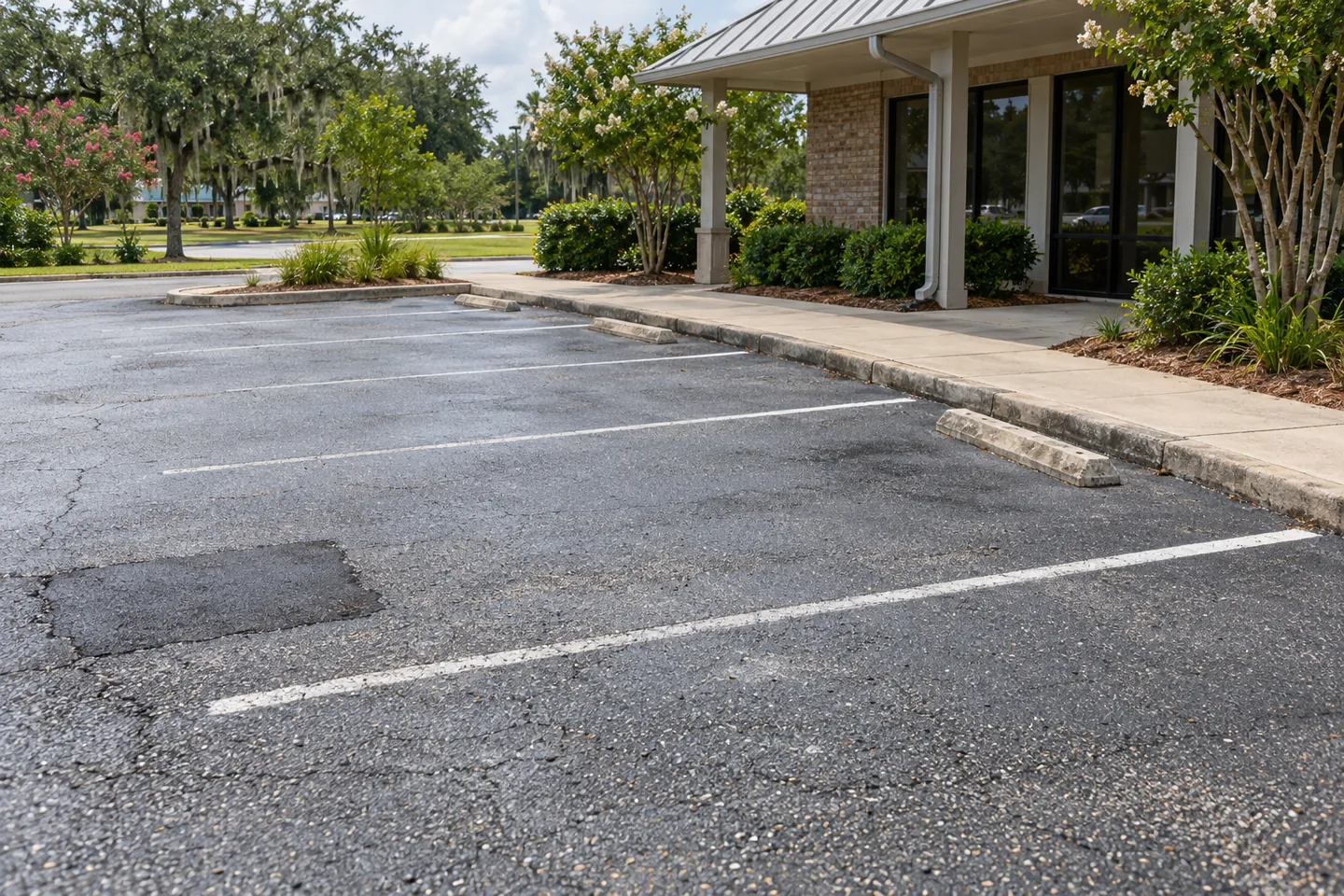
Document cracks, potholes, drainage concerns, worn markings, and damaged edges. Repeat photos from the same positions so changing conditions are easier to recognize.
Set priorities around use and risk
An entrance that is deteriorating may need a different priority than cosmetic wear in a low-traffic corner. Consider vehicle routes, pedestrian movement, and the consequences of closing each area.
Group work into a manageable scope
Repair, crack treatment, sealcoating, and markings may need to be sequenced. A clear plan identifies what can be maintained now and what should be evaluated for reconstruction.
What to share for an estimate
- The property address and approximate area.
- Photos of the surface, edges, and any drainage concerns.
- Vehicle types, access needs, and scheduling constraints.
- Whether you need installation, repair, maintenance, or a comparison of options.
Related services
Explore Louisiana service areas or pavement planning guides.
Plan the work with confidence
Pavement maintenance works best as a condition-based plan. Observe the property, distinguish suitable preventive treatments from necessary repairs, and keep a record that makes each later decision easier.
In this planning guide
Build a usable condition record
Start with a simple property sketch and dated photos from consistent viewpoints. Label cracks, holes, low spots, loose material, edges, drains and markings separately. Record changed vehicle use, utility work and prior treatments. Keep observations separate from guesses about causes. A useful record can be brief; its value comes from showing where and when something changed. An incoming manager or new property owner should be able to identify what was repaired and what was left for later. Retain the written scope and treatment details instead of relying on the date the pavement last looked renewed.
Separate preservation, repair and replacement priorities
A serviceable surface may be suitable for maintenance while another area needs removal and repair. Widespread support failure deserves a different discussion from isolated surface wear. Ask how each recommended operation relates to the observed condition. A coating should not silently stand in for a structural repair, and full replacement should not be assumed necessary from one defect. Group related problems by location and cause where assessment supports it. Federal Highway Administration preservation guidance distinguishes keeping suitable pavement in useful condition from more extensive rehabilitation; its road guidance provides context, not a private-property construction specification.
Watch water and the pavement boundary
Water pathways, blocked inlets, eroded shoulders and unsupported edges can be relevant to recurring damage. Observe after rain from a safe location and note roughly when photos were taken. Include the dry surrounding surface so the extent of standing water is clear. Drain cleaning, drainage repair and pavement work may have different responsibilities. Ask what can be handled in the proposed maintenance scope and what needs other evaluation. A treatment in the center of a lot does not automatically address problems at its edge or outlet. Avoid moving debris or inspecting underground systems without appropriate personnel.
Coordinate operations before setting a calendar
For commercial property, identify customer peaks, tenant hours, deliveries, waste collection and required walking routes. Maintenance can include cleaning, repairs, coating and markings, each with its own closure or readiness conditions. Review how phases interact before choosing dates. An annual budget can include observations and planned evaluations without committing to an identical treatment every year. Weather and surface conditions may change the appropriate work window. Name the person responsible for communication and retain reopening guidance. For a home, the same planning begins with vehicle storage and household access rather than tenants and deliveries.
Evaluate each completed treatment before repeating it
After work, compare the completed scope with the agreement and record any follow-up. Take photos after appropriate reopening and continue observations over time. If the same defect returns, share that history before approving another identical treatment. Changing traffic or drainage can make an old plan less suitable. A fixed maintenance interval is not a substitute for current condition and product guidance. Use records to ask better questions about expected purpose, limitations and alternatives. The goal is to spend on work the property actually needs, with clear decisions about what is addressed now and what remains for later.
What changes the price?
Current condition, repair quantities, cleaning, material and application scope, drainage work, markings, access and phasing affect a maintenance budget. Separate immediate repairs from later planning items so the estimate is understandable.
Request a written, property-specific proposal. A photo inquiry starts an assessment conversation; it is not a fixed price, confirmed construction date or final engineering specification.
A practical sequence for the project
- Document condition and past work
- Prioritize use and exposure
- Assess appropriate maintenance and repair options
- Coordinate access and weather
- Record treatment and reopening instructions
- Revisit changing conditions.
Prepare your inquiry
Send the property address, a wide view of the area, close photos of relevant defects and the result you want. Include vehicle types, water observations, prior repairs and access restrictions. State whether your main concern is usability, maintenance, drainage, layout or appearance so the discussion starts with your priority.
Want to start with a text?
Text the property details to (985) 788-0493 or use the quote form. For a larger business property, include the person coordinating access and the operating schedule. Avoid putting confidential tenant or customer information in photos.
Useful questions before approving the work
| Ask about | Get clear in the proposal |
|---|---|
| Work boundaries | Included areas, excluded areas and connections to pavement that remains |
| Hidden conditions | Assumptions, documentation and approval before additional work |
| Property operations | Closures, pedestrian routes, vehicle storage and communication |
| Finishing and care | Cleanup, agreed finishing work, reopening guidance and follow-up responsibilities |
Continue with the details that fit your property
Planning guidance reviewed October 6, 2026. This guide helps organize a contractor conversation; final quantities, materials and construction details depend on the property. Read our guidance and source policy.
Build a maintenance record around named areas
Begin a pavement-maintenance review with a simple property map and consistent area names. Identify entrances, parking sections, service routes, pedestrian connections and retained concrete. Record observations under those names so photographs from different visits can be compared. Useful records describe what was visible, when it was observed and whether it affected access. They do not require the owner to diagnose a hidden cause. A clear location record is more useful than a collection of close-ups without context.
Separate current access concerns, repair questions and appearance preferences. A pothole in a busy entrance and a worn-looking parking section may call for different next steps even if they appear on the same maintenance list. Ask the contractor how the proposed work addresses each item and which items remain recommendations. Do not assume that one general maintenance price includes all repairs, marking work, drainage review and surface treatment. Itemized scope makes both immediate decisions and future budgeting easier to understand.
Compare maintenance options against the same observations
When obtaining more than one proposal, give each contractor the same location list and known history. Share previous invoices or dated photographs where available, and identify details that are uncertain. Ask each proposal to distinguish included work from optional work and conditions requiring further assessment. A low initial price can describe a smaller footprint or different preparation. Compare what is actually proposed for each named area rather than interpreting the total as a direct comparison of identical work.
Include water observations, retained-feature connections and operational constraints in the same record. Note where standing water was seen and which route it affected without asserting an unseen cause. Tell the contractor about occupied entrances, deliveries and areas that cannot simply be closed together. Ask whether the plan is phased and how temporary access will be communicated. Maintenance recommendations should relate to the property's use and observed conditions, not an assumed universal calendar that ignores what is happening at the site.
Keep the plan useful after the first project
Choose one person to maintain the scope and photograph record, especially where multiple tenants or staff report concerns. Use consistent location names and record completed work separately from future suggestions. Ask who can authorize additional work and how that approval is documented. This prevents a recommendation from being mistaken for an included task. A practical maintenance record can remain simple, but it should show what was agreed, what was completed and which questions still require a decision.
After work is handed back, retain the actual access and care instructions with the final scope. Add dated photographs of the relevant locations and note any approved changes. At the next review, compare observations rather than guessing a remaining service life from appearance alone. If a concern recurs, provide its location, timing and the earlier work record. That gives the contractor useful context while preserving the distinction between visible evidence, an assessment still needed and any performance commitments actually included in the agreement.