
Pavement planning journal
Comparing paving estimates beyond the final price
A better entrance. A better first impression.
Asphalt Solutions paves driveways, parking lots and access areas. Tell us what you want to improve and how the property needs to keep moving.
Paving · Concrete · Repairs · Maintenance
LESS GUESSWORK. A USEFUL NEXT STEP.
A better surface starts with your property.
A driveway, a busy lot or a new access area: tell us what you want to improve. Let’s connect the paving work to how you use the space.
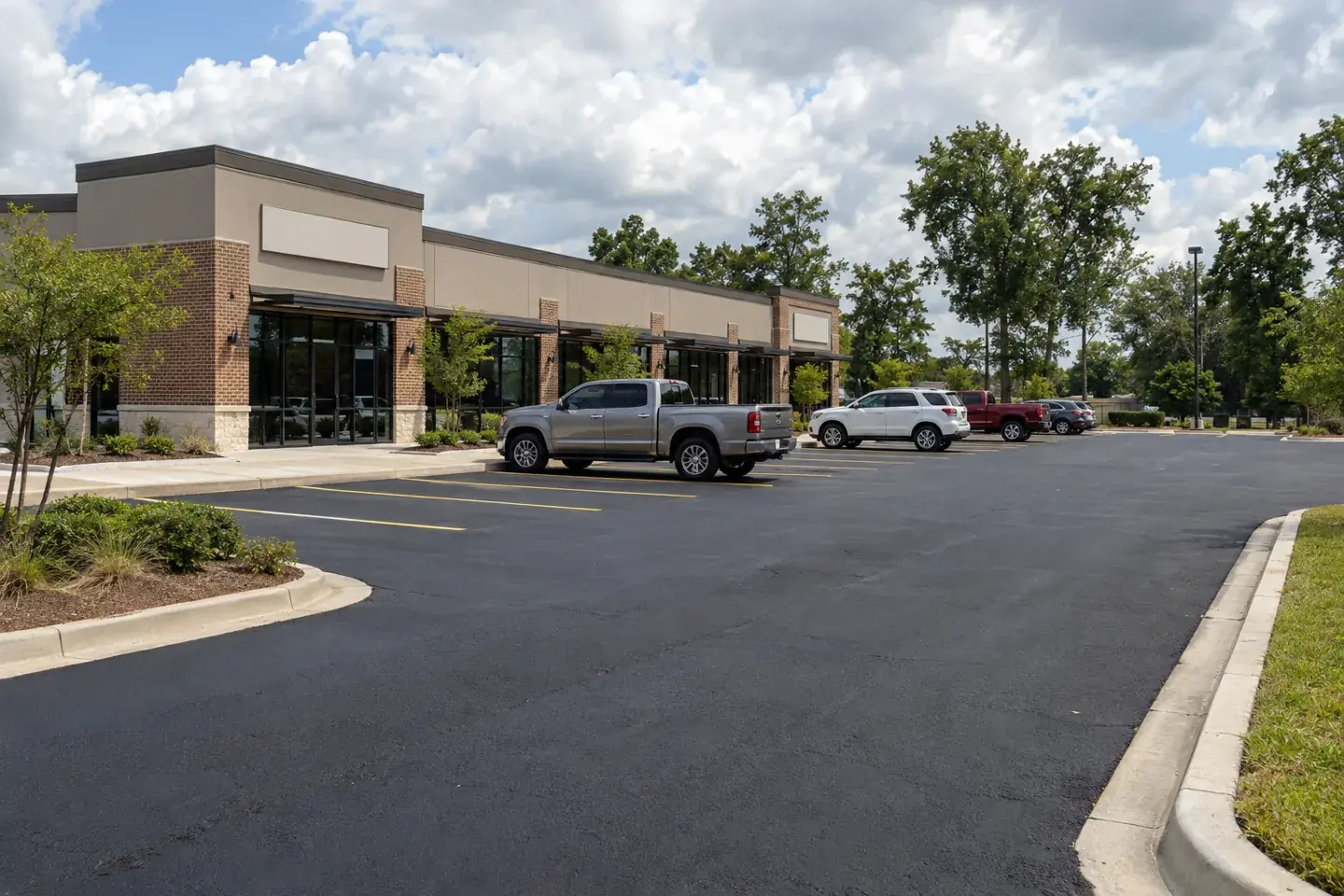
Parking lot paving
Plan for customers, deliveries and the way vehicles move.
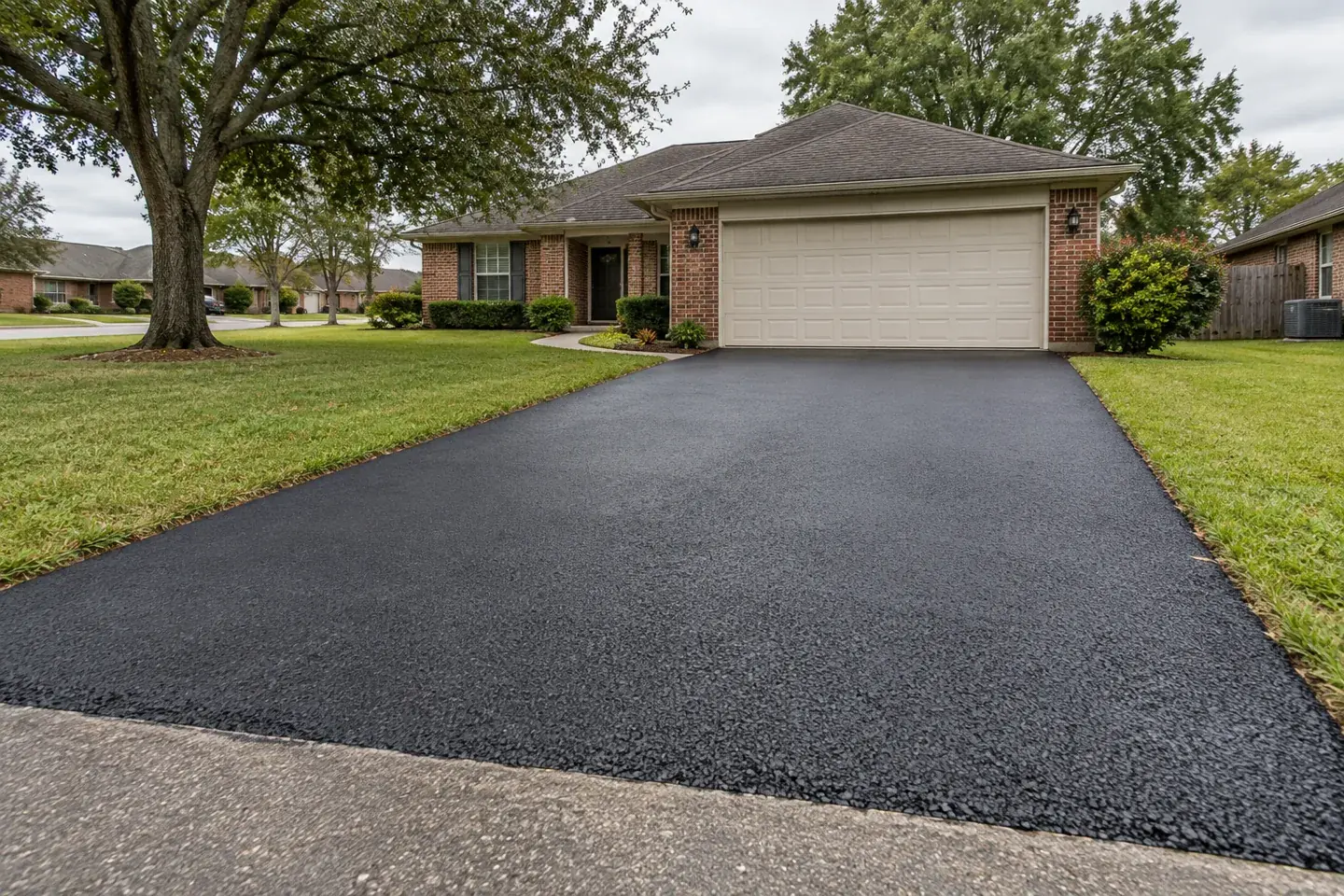
Driveway paving
Make your entrance work better for everyday arrivals.
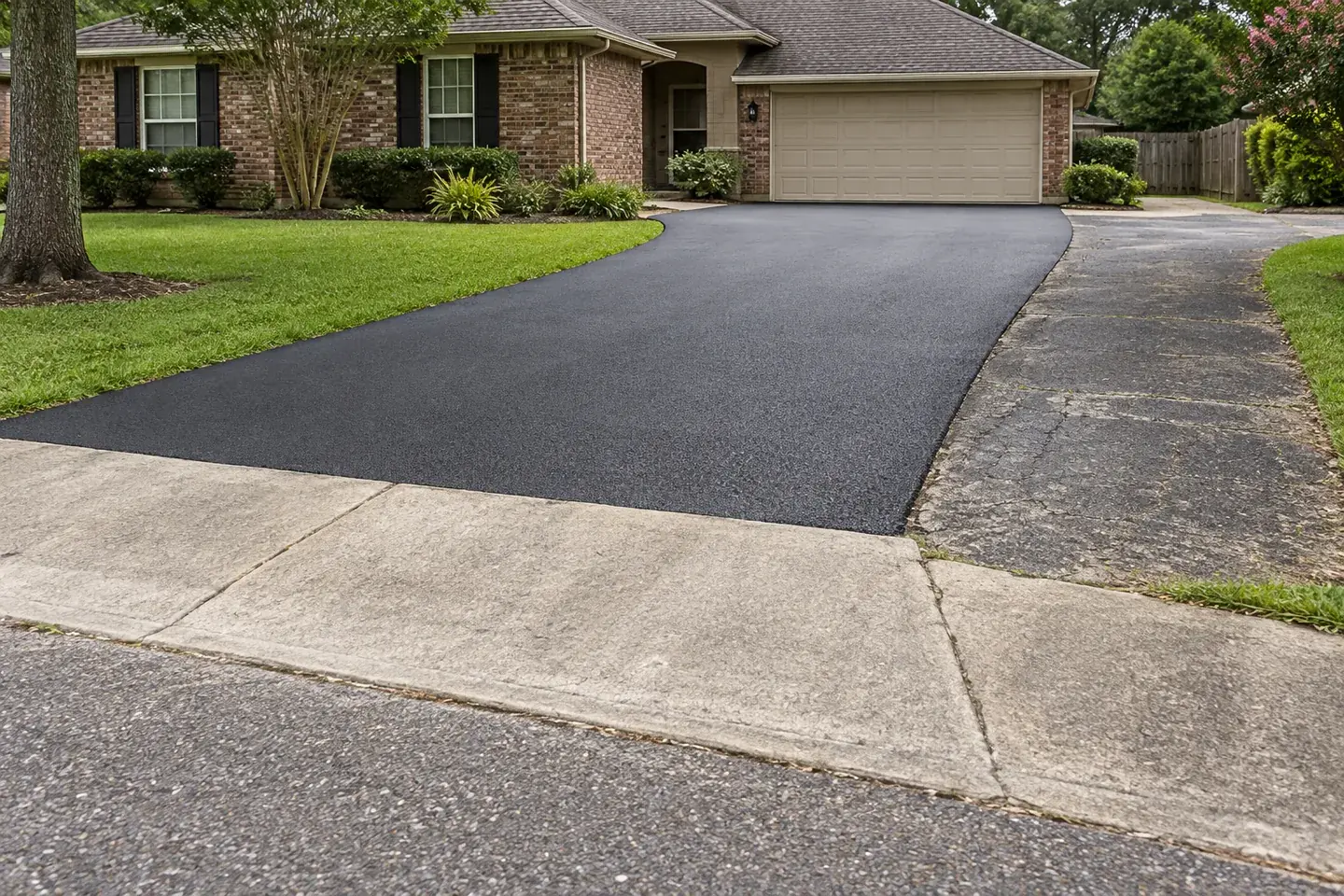
Asphalt resurfacing
Explore renewal options for the pavement you already have.
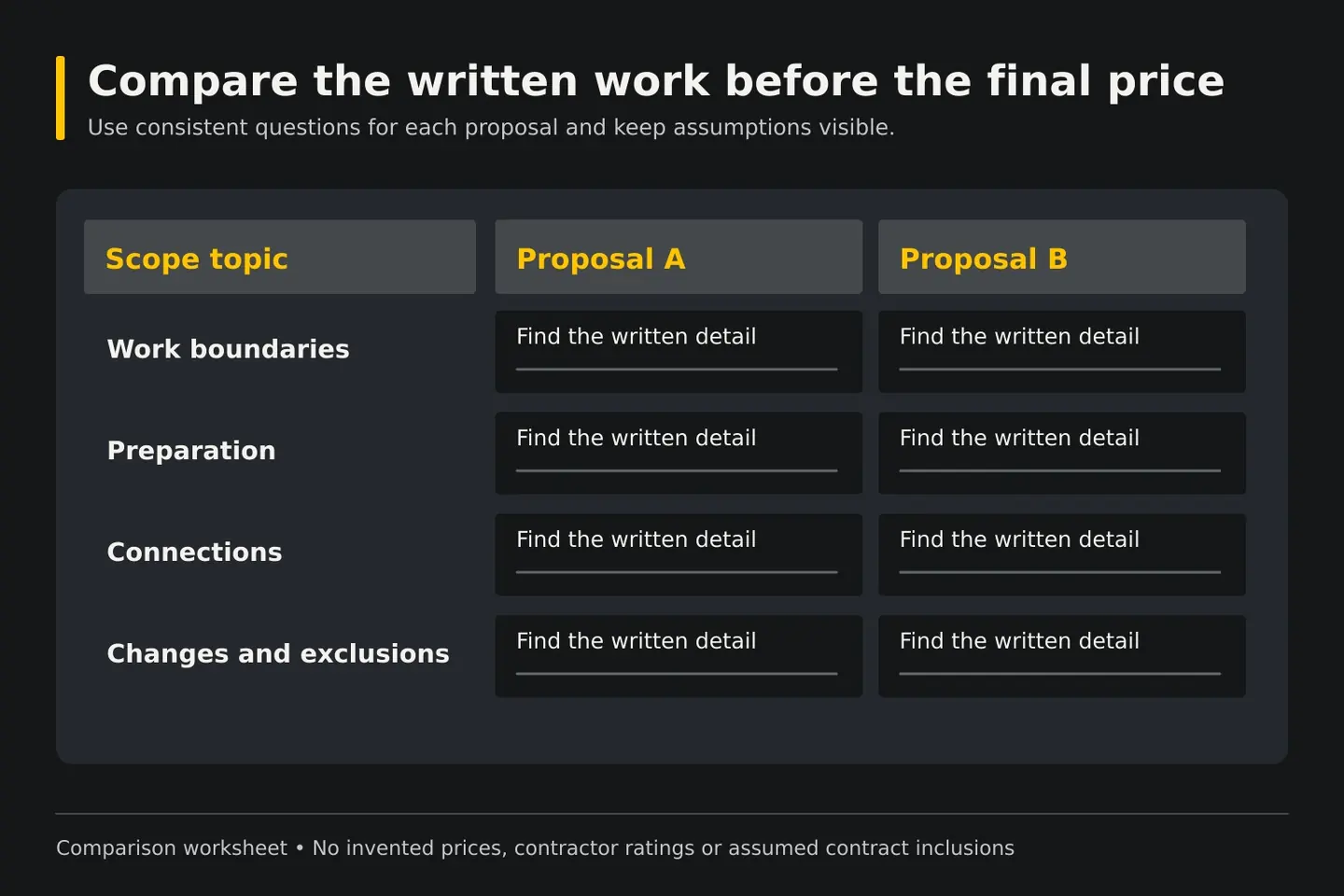
Comparing paving estimates beyond the final price
See the whole picture.
Then make your move.
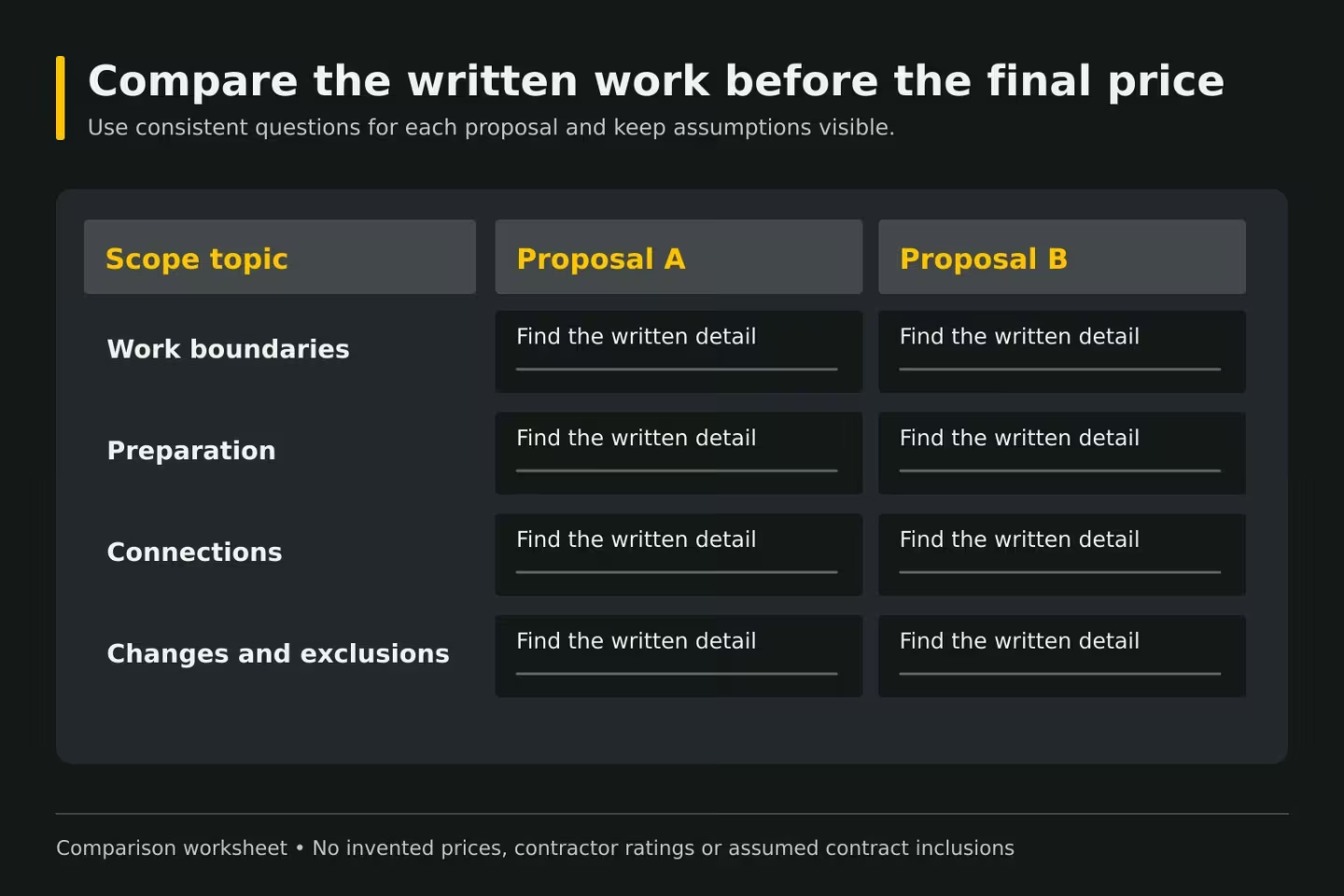
Two prices can look comparable while describing different preparation and repair work.
- Show the area you want to improve
- Tell us what is happening there
- Discuss scope, access and timing
Text us about your paving project Explore the project details below ↗
LET’S TALK ABOUT THE WORK
Your next paving project starts here.
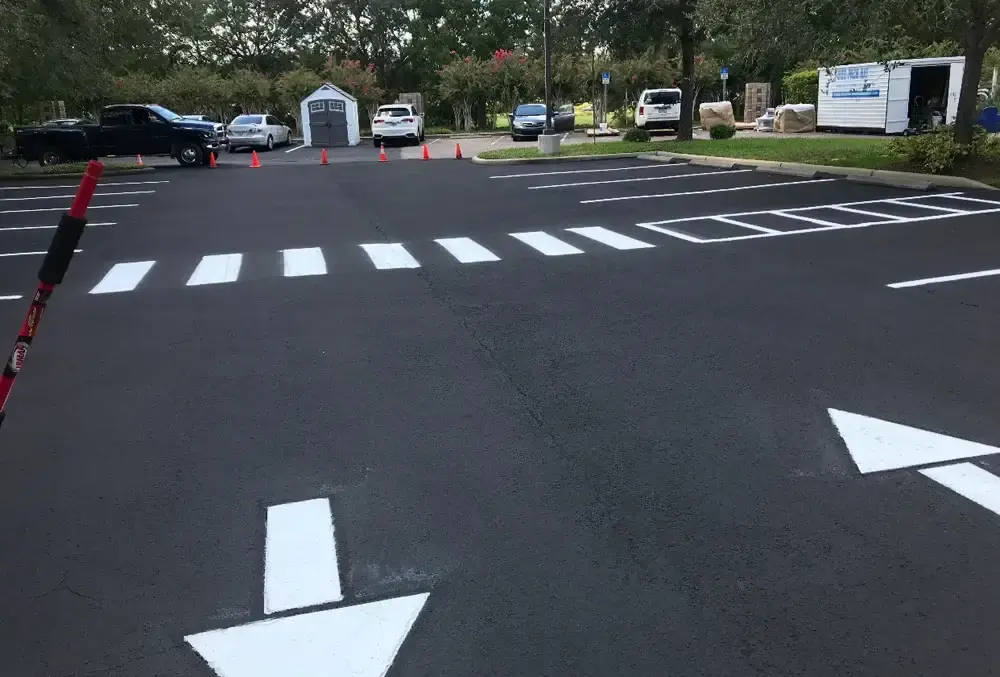
Send the area to be paved, the property address and the vehicles using it.
YOU DON’T NEED EVERY ANSWER TO START
Send the details.
Let’s get moving.
Text the address and a few photos. Or use the online form to put your project details in one place.
985-788-0493
The property
Address + commercial or residential.
The surface
One wide photo + a closer view.
The work
What you want repaired or improved.
The access
Traffic, deliveries or timing needs.
Two prices can look comparable while describing different preparation and repair work. Removal limits, support work, materials, transitions and cleanup should be understandable before the amounts are compared. An exclusion can matter as much as an included item.
YOUR PROPERTY. YOUR NEXT STEP.
Put the site details to work
Use a simple side-by-side list and mark unclear items for questions. Does each proposal cover the same failed areas? How are garage and street connections handled? Who coordinates drainage structures? What written reopening guidance is supplied? Ask for clarification rather than filling the blanks with assumptions.
THE DETAILS THAT SHAPE THE WORK
Turn the observations into a clearer scope
Write down your highest-priority concern, the areas affected and the access you need during construction. Keep those notes with your photos so the conversation starts with the same property facts. Ask which observations can be confirmed during a visit and which require additional investigation. Material choices, dimensions, timing and prices depend on the actual site and the work proposed.
THE DETAILS THAT SHAPE THE WORK
Normalize the boundaries before comparing totals
Ask each proposer to identify the area included. A driveway entrance, main surface and parking extension can be bundled differently. Keep a marked image or sketch beside the written quote. If one proposal stops at a different connection, that difference should be visible before price becomes the deciding factor.
List adjoining features that need protection or adjustment, such as a gate, garage threshold, drain or concrete apron. Ask whether each is included, excluded or coordinated separately. The title driveway paving does not establish that every feature on the property belongs to the same contract.
THE DETAILS THAT SHAPE THE WORK
Separate base work, options and allowances
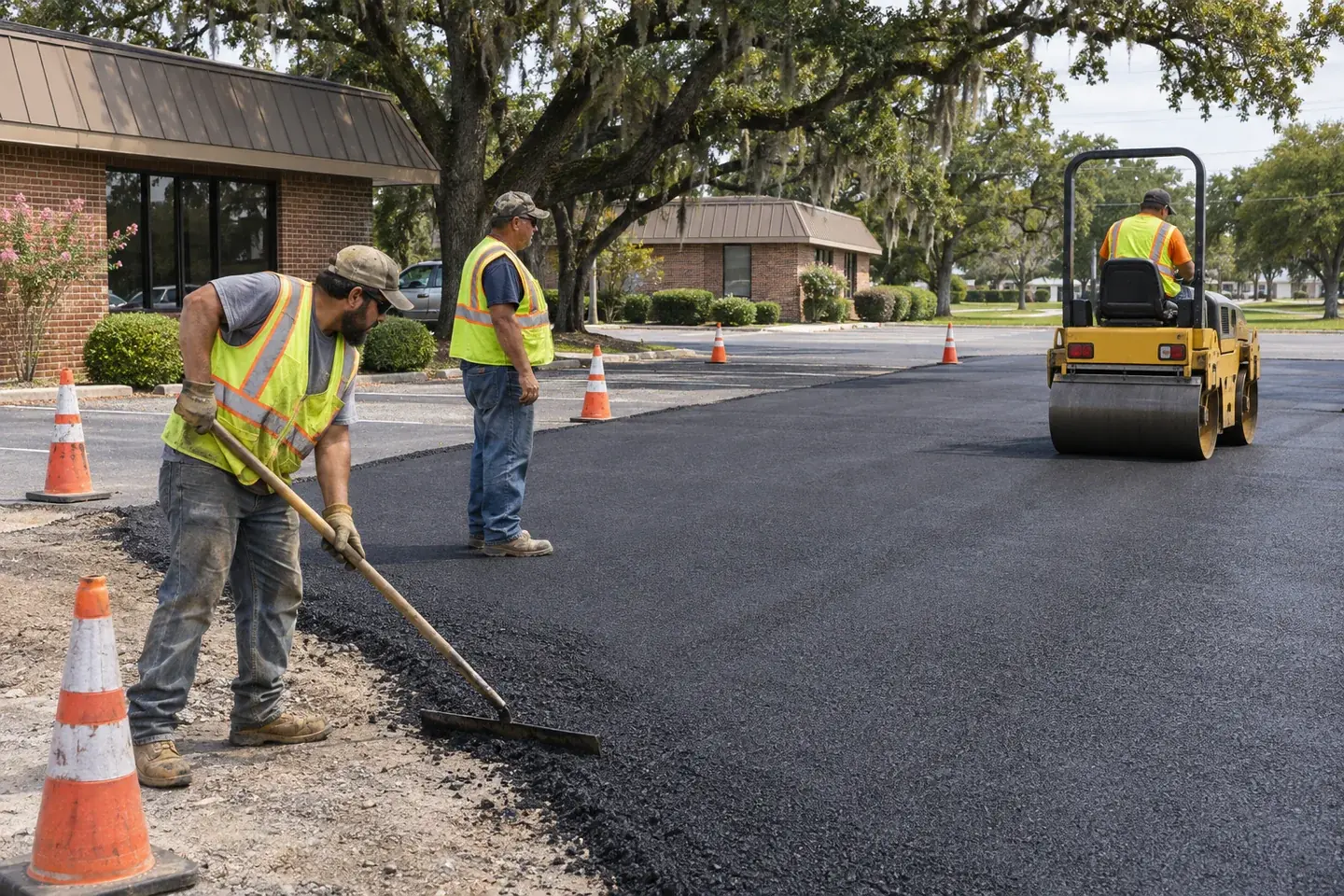
The base scope is the work being proposed for the stated price. An option is a separate choice. An allowance or estimated quantity needs an explanation of what it covers and how changes will be measured and approved. Ask for those distinctions in ordinary language.
Do not assume the lowest total includes the same preparation or uncertain-condition process as another offer. Conversely, a longer estimate is not automatically the better value. The useful question is whether the scope addresses the goal and explains the responsibilities that matter to this property. Keep clarification in writing so later discussions use the same version.
THE DETAILS THAT SHAPE THE WORK
Compare operating requirements alongside construction
Review access restrictions, expected sequence, preparation responsibilities and return-to-use instructions. A household may need alternate parking; a business may need phased entrances and delivery arrangements. Ask what the owner must do before work and what the contractor will coordinate.
If timing is important, distinguish an intended window from a confirmed schedule. Ask how weather or site readiness affects it. A proposal should not be treated as a promise of an appointment that has not been agreed. Compare the practical consequences of each option rather than looking only at the finished surface description.
THE DETAILS THAT SHAPE THE WORK
Ask for the reason behind a different recommendation
When one proposal recommends maintenance and another recommends replacement, ask which observations support each approach. Review what result is intended and what concerns remain afterward. The options may answer different goals, so equalizing the price alone will not make them equivalent.
Keep written terms, exclusions and the additional-work approval process with the estimate. If the scope changes, request a revised version identifying the change. The comparison should leave you able to explain what you are choosing, which boundaries it covers and what still needs evaluation. It cannot guarantee future performance from an online checklist.
THE DETAILS THAT SHAPE THE WORK
Your next step
Comparing pavement estimates →
Ready to discuss the property? Share the address, photos and your project goal through our quote form. An inquiry starts a conversation; it does not confirm pricing or a construction date.
Call (985) 788-0493
THE DETAILS THAT SHAPE THE WORK
Create a comparison with matched work areas
Use the same property map or marked photos for every estimate. List the sections each proposal includes and which surfaces remain. A quote for selected repairs should not be compared directly with a whole-area replacement price as though the work were identical.
Give optional areas their own entry. If the owner defers one section, keep that decision visible instead of letting it disappear from the project record. Ask why a recommended boundary differs from the visible damage where relevant. The answer can explain a connection or preparation decision without requiring the owner to become the designer. A clear area comparison is useful even when only one contractor is being considered.
THE DETAILS THAT SHAPE THE WORK
Separate assumptions from confirmed information
Ask what conditions the contractor reviewed and which remain uncertain. A site visit, photographs and old measurements can provide different information. Do not treat a firm-looking total as proof that every concealed condition is known.
Where an allowance or addition process applies, identify what finding would trigger a change and how it will be documented. Name the authorized owner or representative. The contractor should provide an understandable revised scope and price effect before additional work is approved. Keep an owner-requested upgrade separate from a change prompted by exposed conditions, even if both occur during construction.
THE DETAILS THAT SHAPE THE WORK
Read the retained connections and exclusions
List garage thresholds, streets, walkways, curbs, inlets and other features the proposed work meets. Ask whether each remains, changes or requires another party's coordination. A material description alone does not answer how the finished surface connects to the property.
If water is part of the request, identify the included drainage task and the responsibilities outside the proposal. Do not infer system work because the contractor saw a puddle. Clarify landscape restoration, disposal and related work too. These differences may affect price and schedule while remaining easy to miss in a broad line item. Keep the current exclusions with the accepted version.
THE DETAILS THAT SHAPE THE WORK
Compare the operational plan with the construction
Review closures, temporary routes, providers and reopening instructions. A business that needs phased work has a different practical requirement from a property available for a full closure. Ask whether the proposed arrangement can actually serve the operation and who will carry out the property's preparations.
Coordinate delivery and collection needs before scheduling. Give the authorized contact and a backup, while distinguishing site access from authority to approve additions. Keep updates tied to the current proposal and access plan. A clear construction description can still be impractical if the property has no usable plan to move vehicles or guide visitors during the work.
THE DETAILS THAT SHAPE THE WORK
Retain the final acceptance rather than a remembered price
Confirm the current proposal date and version before sending approval. State which options are accepted and which remain deferred. Keep supporting clarifications with that record so the person coordinating construction can use the same agreement.
After completion, attach approved changes, final images and reopening guidance. Record remaining work outside the purchase separately from questions about the completed scope. The comparison then becomes a useful maintenance record. It should preserve the decisions actually made, without creating later promises from a remembered phrase in an estimate conversation.
THE DETAILS THAT SHAPE THE WORK
Use one concrete difference to test the comparison
As an example, one estimate may include a defined entrance repair while another covers the entire driveway and leaves a drainage task separate. Both can be called a driveway project, but they are different purchases. Mark the included surfaces and separate responsibilities before deciding what the totals tell you.
Ask the contractor to explain the difference that matters most to your original concern. If that concern is the entrance, determine how each proposal addresses it and why the larger scope is being recommended. If the concern is water, identify the included task rather than infer it from a paving title.
Keep the answer with the accepted version. This method does not choose the cheapest or largest proposal automatically; it makes the owner's actual decision clearer. Confirm the current boundaries before scheduling.
Comparing paving estimates beyond the final price
Show us what needs work.
Let’s plan the next step.
Send the property address, a few photos and the improvement you want to discuss.
Build a comparison sheet with the missing items visible
Use one row each for removal, support preparation, repairs, material placement, transitions, drainage, markings, cleanup and reopening guidance. Put the proposals in separate columns. Write not stated when an item is unclear instead of assuming it is included. Send the unanswered rows back as specific questions.
Compare the same work limits and intended use. Ask how quantities are measured and whether unit rates or allowances apply to uncertain conditions. Confirm how changes will be documented before extra work is authorized. Keep verbal clarifications with the written proposal so the final agreement can be reviewed as one understandable scope.
Questions before the project
Reviewed October 14, 2026. This is planning guidance, not a project-specific specification. Read our guidance and image-source policy.