
Start the conversation
Tell us about
the property.
Include the address, current surface condition, and how the space is used. If you have photos, show both the problem area and the surrounding pavement.
Call
(985) 788-0493
Submitting this form is a request to discuss the project. Pricing, availability, and final scope are confirmed separately. Do not include sensitive personal information.
Choose the reply method you prefer. A text or call reply needs your phone number; an email reply needs your email address. You can leave the other contact field blank.
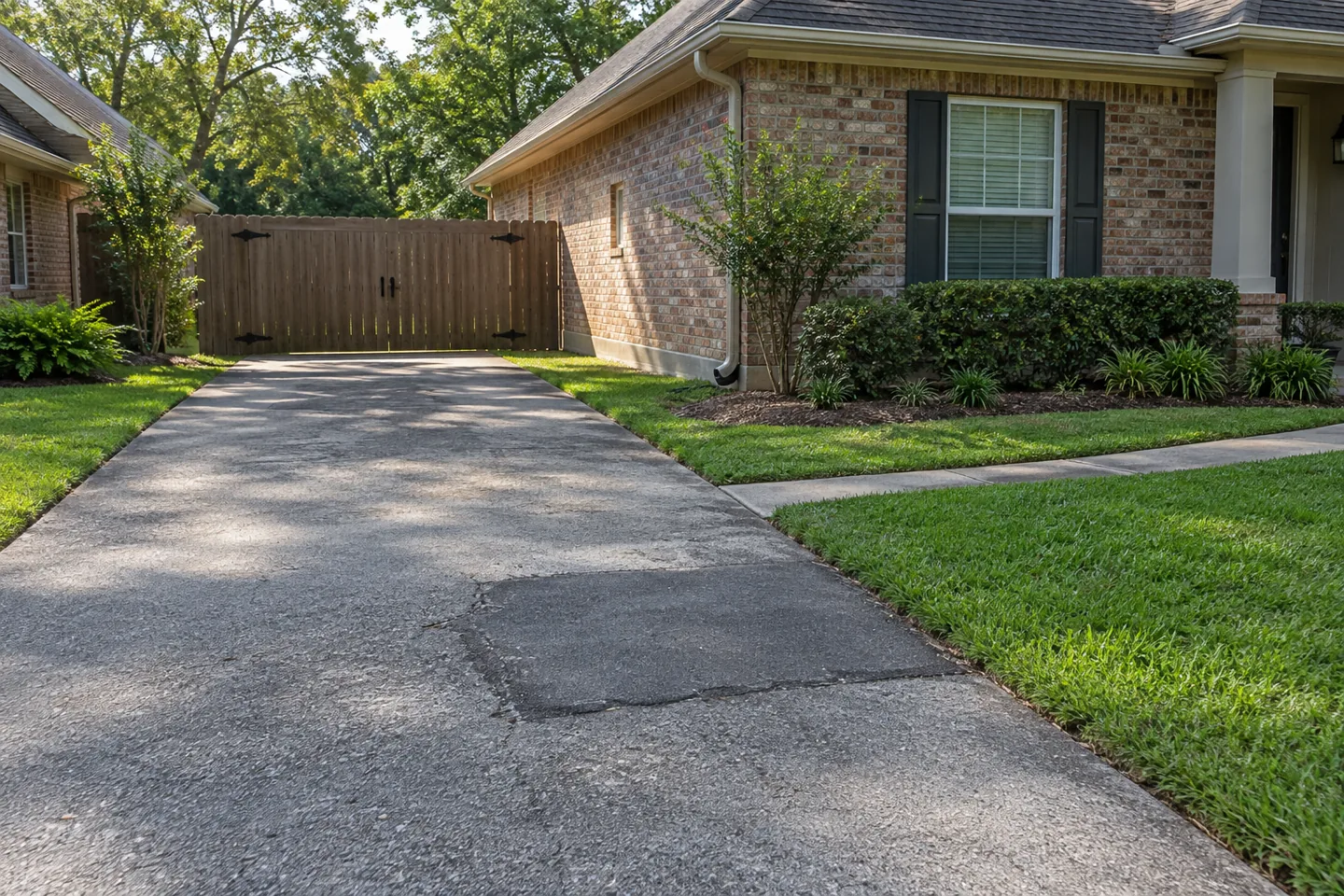
Share wide and detail photos of your own property to begin a project discussion.

Begin with the project you want to discuss
Use this form to describe the property and improvement you have in mind. Start with the full address, the surface involved and the section you want reviewed. You can describe a worn driveway, a visible damaged area, a proposed new paved section or concrete work without choosing a construction method first. A plain location name and recognizable landmarks make the request easier to follow. The initial inquiry gives Asphalt Solutions a starting point for a project conversation; the actual site information, offered scope, access arrangements and timing need their own review before the work can be treated as confirmed.
State the desired result in ordinary language. You may want a more useful parking area, a damaged section assessed or a driveway connection reviewed beside a retained surface. Keep several concerns individually located rather than combining them into one broad instruction to improve everything outside. If you are unsure which service name fits, explain what is visible and how the area is used. The contractor can discuss the requested improvement with the actual section in view, while the linked service and planning resources help you organize useful questions before an estimate is compared or accepted.
Use the address where the work is requested
Give the project property's complete address rather than a billing address alone or the business contact location. Explain the entrance ordinarily used to reach the requested section when it is not obvious. A wide view can connect that approach with a garage, walkway, gate, lot or other fixed feature. If a property has more than one entrance or user group, identify which part the inquiry concerns. A city name is useful context, but the exact address and recognizable section let the first conversation focus on the right location and the actual improvement the owner wants reviewed.
The service-area hub connects Greater New Orleans and Northshore guides, keeping both sides of the bridge easy to explore. If the address is outside a listed city guide, send it with the requested work and ask about the actual location rather than assuming coverage or scheduling from proximity. The listed Slidell business address is 299 Ashton Parc, Slidell, LA 70458, with visits by appointment only. Call or text (985) 788-0493 to arrange a visit. Keep that appointment information distinguishable from the project address and from a proposed construction date that has not yet been confirmed.
Share photographs that locate the request
A focused set of current photographs helps explain the initial question. Include a wide view showing the section and fixed landmarks, then closer images of visible details when useful. Keep the views connected with plain names and actual dates if timing matters. A close photo of a crack or puddle may not show how it relates to the broader driveway or parking area. Explain a changed angle or obstructed portion rather than assuming all pictures show the same section clearly. Original context helps the contractor understand what you are asking to have reviewed and request relevant additional information.
Describe what you actually know about earlier work, visible changes and any provider record that can be shared. Keep a reported event distinguishable from your own observation and identify an assessment with its source. Photos can support the conversation without establishing hidden dimensions, buried connections or a confirmed cause beneath the pavement. When water prompted the inquiry, record its visible location and actual timing rather than assigning an unassessed explanation. A clear initial record gives the contractor useful context while preserving uncertainty until the appropriate actual review and scope response address the property question.
Explain how the property needs to function
Tell us how the requested section is ordinarily used. For a home, describe parking, the entrance and access to the house or gate. For a shared or commercial property, identify customer or tenant routes, deliveries and relevant operating activity. Name the contact coordinating property users and the person authorized to approve the work when they differ. Keep an owner's preferred arrangement distinguishable from confirmed contractor instructions. These details help connect the requested pavement improvement with the actual property operation without asking a general quote form to prescribe a temporary route or work plan for a site that has not received its own review.
Identify a retained walkway, apron, inlet, threshold or other feature when it helps locate the request. If another provider's task affects the same area, say what is settled and which response remains outstanding. Name the contact obtaining it. A feature appearing in a photograph does not automatically become included work in a paving price. Ask the proposal to identify preparation, boundaries, retained items, exclusions and options clearly. Keeping those questions visible from the beginning makes later comparison more understandable and helps prevent an unresolved separate task from being silently assigned to the contractor offering the pavement work.
Choose a useful reply method and current timing
Select the contact method that works for you and provide the matching phone number or email address. You can also call or text (985) 788-0493 or email asphaltsolutions18@gmail.com with the property and question. Include relevant preferred timing as planning information, keeping it distinguishable from a construction booking. If another provider visit or property decision affects the section, identify that dependency in the request. The first message should make the current need clear enough to discuss, rather than imply that a preferred date, owner sketch or reference image already defines an accepted scope and confirmed arrangement.
If important information changes after you inquire, identify the actual section and new detail in the follow-up. Keep the earlier conversation connected with the current request instead of treating a different area as the same approved work. When an offer is being reviewed, ask whether the change affects preparation, access, price or timing. Retain the provider's actual response and current version. A useful project record lets the owner and contractor refer to the same present question and selected work, while earlier preferences and unselected alternatives remain recognizable history rather than additional implied commitments.
Review the actual proposal before approving work
Compare the offered preparation, work limits, retained connections, related items, exclusions and selected options alongside the total. Ask for clarification where a broad paving or repair label does not explain an important part of the property. Keep the authorized decision, confirmed arrangements and provided instructions together. An inquiry begins that conversation; it does not establish final quantities or construction dates. After the contractor permits the relevant access, review recognizable visible results against the accepted description and save any specific question, response and agreed follow-up. A clear request and decision record help the next step stay connected to the actual work for your property.
Keep a separate list of items deliberately left for later. An unselected option, an unresolved provider question and completed work are different statuses even when they concern the same driveway. If you return to a deferred section, add current photographs and intended use before asking whether the previous offer still applies. This gives the contractor a current starting point and lets a future property contact understand why the earlier project did not include every improvement that appeared in the original discussion. A useful estimate file records the actual choices instead of leaving them implied by a folder of reference pictures.
If photos were taken on different days, label their dates so wet-weather conditions and later changes are not confused. Tell us whether the property is occupied and which entrance should remain usable while a site visit is arranged.