
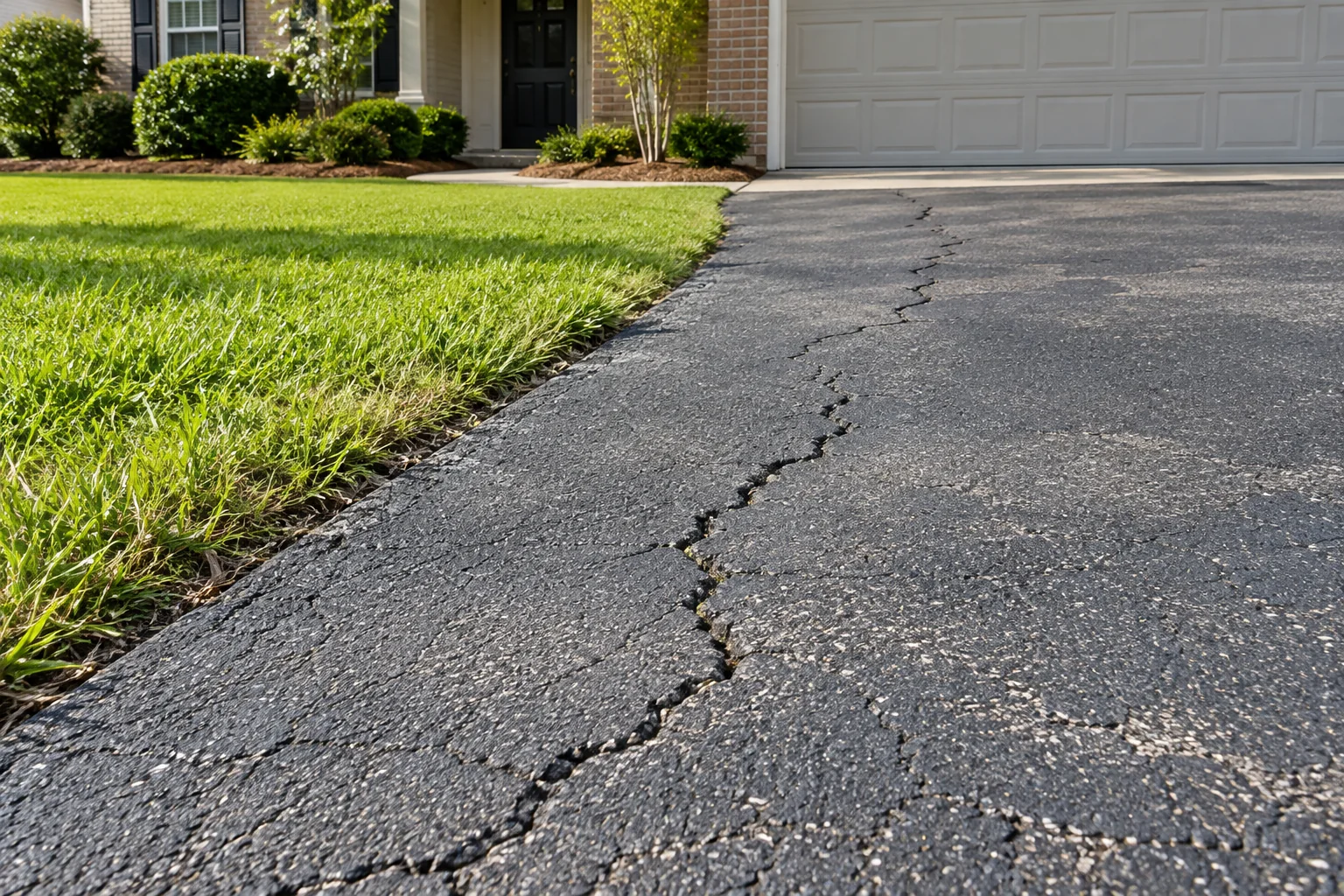
Keep the crack question open until the evidence supports an answer
An owner can prepare a useful crack-review request without identifying the soil or diagnose a hidden movement. Show the opening in context, describe the actual change and retain known work history. If nearby ground, trees, trenches or structures are part of the observation, identify them without concluding that proximity establishes the cause.
Ask the responsible provider what was evaluated and whether another assessment is needed. Keep that dependency separate from a proposal for a defined surface task. A general explanation of possible conditions should not silently become a verified finding for your address. The actual evidence and appropriate review should support the explanation used to select or authorize work.
Retain the scope, related findings and approved changes with genuine dated views. After the response, document the task that was performed rather than treating a neat finished line as proof that every underlying condition was reconstructed. If a concern remains or changes later, identify its specific location and behavior when requesting follow-up.
Contact Asphalt Solutions by call or text with the property address and useful photographs. Most projects are carried out at customer sites. Visits to the Slidell contact location are by appointment only; listed hours mainly concern phone availability. Coordinate the actual assessment and project timing directly, with any needed related-provider responsibility kept visible.
A crack is an observation, not a soil diagnosis
A driveway crack can have several contributing factors. The visible pattern, pavement material, support, water, connections and use all belong in the assessment. It would be misleading to say that Louisiana soil explains every crack or that a photograph proves an underlying problem.
Start by describing the material and location. A crack in an asphalt wheel path, a concrete joint opening and a line beside an old utility trench are different observations. Asphalt Solutions can discuss the property and the questions for an estimate. Site review or additional evaluation may be needed before a cause and suitable work can be established.
Record the pattern and the surroundings
Take a safe wide photograph showing the driveway and a detail view of the concern. Note whether the crack is isolated, part of a connected pattern or associated with a change in level. Include nearby edges, drains, trees, garage connections and earlier patches when they provide context.
Do not force every crack into a technical category from an online image. A description such as several connected cracks in the parking position may be enough for the first conversation. Measurements and classification belong in the assessment when they are needed for the proposed work.
Separate asphalt from concrete questions
State which material is affected. Asphalt maintenance and repair decisions should not be transferred automatically to a concrete slab. For concrete, identify visible joints, adjoining slabs and any step between surfaces. For asphalt, show the wheel paths, edges and patches around the crack.
If the driveway includes both materials, photograph the connection. Ask which part of the proposal addresses each material and whether related work is excluded or coordinated separately. A broad driveway-repair heading should not leave the owner guessing whether the concrete apron, asphalt travel area and garage connection are all included.
Support conditions need evidence
The ground and supporting layers matter to pavement performance, but their condition cannot be fully read from surface appearance. Ask which observations suggest a need to investigate support and what assessment is proposed. If additional specialist review is recommended, clarify the responsibility and sequence.
Avoid declaring a foundation, soil or drainage diagnosis in the inquiry. Instead, provide observations: a crack returns in the same location, an area appears lower than before or an adjacent repair has changed. This gives the evaluator useful history while leaving the cause open to investigation.
Water and nearby outlets deserve context
Show roof outlets, roadside drainage, inlets and areas where water remains. Date photographs taken after rainfall and explain the approximate timing. A wide view can connect a crack to the surrounding drainage features without claiming that one feature caused it.
Do not alter an outlet or direct water toward another property based on a website guide. Ask what evaluation or coordination is needed. If water affects a building entrance or creates an immediate access concern, tell the responsible property operator. The pavement estimate should identify which water-related work is included and which remains a separate decision.
Old trenches and repairs can explain the next questions
If the crack follows a known utility repair, obtain the available history. Record when the trench was opened, what work was performed and whether the surface changed afterward. Mark an uncertain date as approximate. A previous invoice or photo can be more useful than a confident guess about what lies beneath the line.
The history does not prove fault or establish the right repair. It helps identify what should be inspected and which party controls a related feature. Ask how any proposed removal or repair connects to the existing trench area and what happens if additional conditions are exposed.
Edges, roots and connected structures
Include trees, walls, posts, carports and nearby slabs in the wide photographs. If a driveway edge is breaking or an adjoining feature has moved, describe that separately from the crack. These features can create scope and coordination questions even when their relationship to the crack is not yet known.
Do not assume paving work includes tree work, structural repair or alteration of a neighboring feature. Ask where the work ends and whether another professional or trade should review a concern first. The proposal should distinguish the pavement decision from responsibilities outside it.
Use changes belong in the assessment
Mention heavier vehicles, trailers, tight turning, new parking positions and construction deliveries. Describe how often they use the area and whether the crack appeared before or after the change, if known. A timeline is useful background, but it does not establish cause on its own.
If the intended use will change again, explain that before selecting a repair. Ask how the proposed scope addresses the known use and what limitations apply. A surface designed or repaired for one operating pattern should not be assumed suitable for every future vehicle arrangement without discussion.
Ask what crack treatment will accomplish
A treatment recommendation should identify the condition it is intended to address and its limitations. Ask whether the objective is maintenance of an otherwise suitable surface, localized repair or a broader pavement change. Do not assume treating the visible opening restores failed support or prevents every future crack.
Keep the agreed boundary clear. If the work excludes nearby cracking or level changes, record that. If a repair may expand after removal, ask how the contractor will explain the finding and obtain approval. The useful result is a scope tied to the observations, rather than a universal promise of a crack-free driveway.
Observe change safely and consistently
When ongoing observation is appropriate, take photos from the same accessible position and keep the dates. Note new branches, visible movement or changes after a repair. If the condition affects walking or vehicle access, ask for review instead of relying on a photo diary alone.
Do not place yourself in traffic or an unstable area to measure a crack. The owner can supply history and context without performing an engineering assessment. Ask which changes should prompt a follow-up call and who to contact. Keep any project-specific instructions with the repair record.
Prepare a quote inquiry with an open question
A useful inquiry might say: there is a returning crack beside an older trench, a nearby low area holds water, and we want to understand the repair options. That wording supplies a location, history and goal without claiming a diagnosis. Add the property address, photographs and any access or timing constraint.
After the visit, compare the written recommendations by boundaries, preparation, investigation, exclusions and additional-work approval. Ask why the proposed option fits the observed condition. A clear explanation can support a decision even when further evaluation is needed before every detail is known.
Questions about driveway cracks
Keep nearby work in the history
Mention utility excavation, landscape changes or adjoining construction when the timing is known. Record them as background events rather than proof of a cause. Available invoices or dated photographs can support a clearer sequence of observations.
Discuss the actual property
Discuss asphalt crack repair or request a project quote. Include the address, your goal and safe photos. Call (985) 788-0493 if you prefer to begin by phone. An inquiry does not confirm price or a construction date.
Reviewed October 8, 2026. Owner planning guidance; no property-specific diagnosis, engineering specification or completed-project claim. Guidance and image-source policy.