
Turn a household goal into a clear driveway question
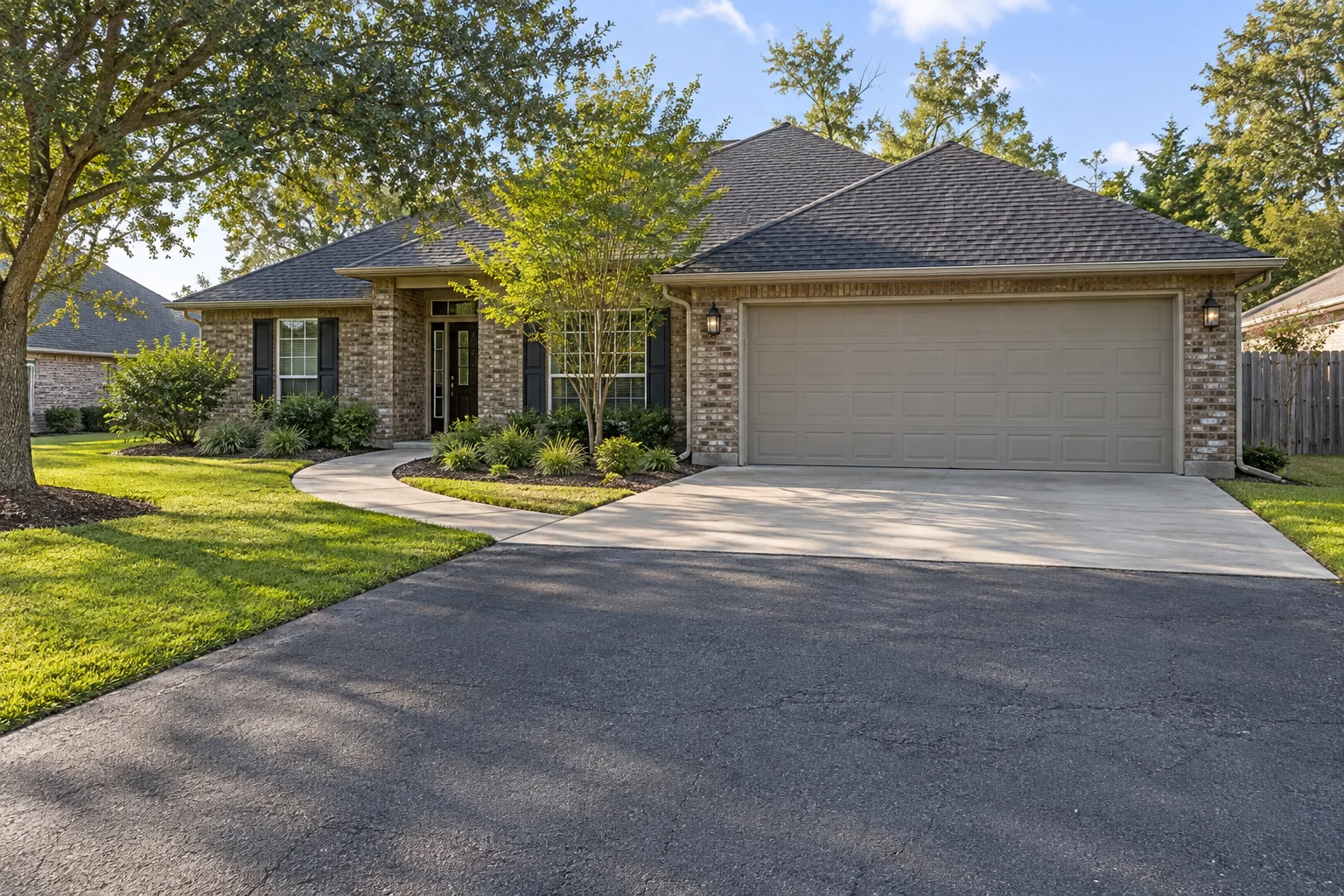
A homeowner may describe the goal as a smoother entrance, more parking or a better connection to the garage. Explain the actual use and location behind that goal before selecting a service label. An overall photograph showing the retained driveway, entrance and relevant walking connection can help the provider understand the question without requiring the owner to diagnose supporting conditions.
If another household project is planned, identify it early. A gate, fence or landscape change may affect a boundary or sequence that the paving provider needs to discuss. State which details are confirmed and which remain suggestions. Do not treat an early sketch as an approved layout or assume every related adjustment is included in a general driveway estimate.
Ask how the proposal describes the actual work area and connection to surfaces that remain. If further review is needed, keep that dependency visible before the schedule is finalized. The owner can make a clearer decision when the scope explains what is included and which questions remain open, instead of relying on a broad promise to improve the whole driveway.
Keep the household instructions and project record together
Before work begins, discuss how the household reaches the home and who communicates restrictions to other users. Include a relevant garage or entrance connection and identify any activity that needs coordination. The arrangement should reflect the actual task and property rather than an assumption that a small work area has no effect on daily access.
At release, follow instructions for the specific work and conditions. A finished-looking surface does not independently establish when every use can resume. If another provider has a related task, identify the interim arrangement and handoff. Give household members one current message instead of different reopening expectations based on unrelated examples.
Keep the authorized proposal, approved changes, genuine photographs and care instructions in one place. If a new concern develops, record its location, date if known and actual behavior without assigning a hidden cause from appearance. Distinguish it from a deferred item or work completed by another provider. A concise history can be useful without beingcoming an engineering diagnosis or a new warranty promise.
Call or text Asphalt Solutions with the home address, current concern and useful views. Most projects are carried out at customer properties. Visits to the Slidell contact location require an appointment; listed hours mainly concern phone availability. Arrange the site visit and actual project timing directly.
Describe the driveway you want to use
Start with the result your household needs, rather than a guessed paving method. You may want to repair a recurring defect, replace a deteriorated driveway, create room for another vehicle or improve an awkward turn. Explain that result and show the entrance, complete driveway and connections to the house. An estimator can compare options more usefully when the parking goal is clear.
Describe regular and occasional vehicles, including deliveries or a trailer where relevant. Show where they travel, turn and stand. A driveway used mainly by passenger cars can still have an occasional use worth discussing before the scope is prepared. Do not assume that a photograph of an empty driveway conveys those demands.
Map the observed concerns with wide and detail photos. Label cracks, settlement, low areas and previous repairs without claiming to know what is underneath them. Photographs help prepare the conversation, but they cannot establish buried layers, ground condition or the final construction quantities. Keep safe access and visible observations at the center of the inquiry.
Compare options by preparation and retained limitations
Localized repair, resurfacing and replacement are different purchases. Repair treats an agreed area, an overlay retains suitable pavement, and replacement removes and rebuilds the defined work. Ask why the proposed approach fits the driveway’s condition and use. Compare what each option leaves in place instead of choosing solely from the appearance of the finished surface.
If you are also considering concrete, compare complete scopes for the actual property. Preparation, transitions, joints where relevant, access and reopening matter alongside appearance and the initial total. Do not assume one material automatically solves every problem or that a photograph of another property shows the result your connections can support.
Ask the proposal to define removal, supporting preparation, construction boundaries, cleanup and any related drainage work. Clarify allowances and exclusions. Two driveway quotes can differ because they retain different areas or address different connections, not simply because one contractor charges a different rate for the same work.
Show the fixed features around your driveway
Include the garage floor, walkway, existing apron, drain covers and other retained surfaces in the photos. Explain any door clearance or route that must keep functioning. Added material changes elevations, so an overlay needs a discussion of the actual interfaces. A uniformly new appearance does not establish that every fixed connection has been handled.
If widening is part of the goal, show the proposed added area and the parking arrangement you want. Identify visible utilities, retained landscaping and neighboring features where relevant. Applicable property limits and project requirements need review by the responsible party. Paving an added strip should not be assumed suitable without considering support, drainage and how it connects to the driveway.
Discuss the edges and how vehicles will use them. Identify where pavement meets adjacent ground, landscaping or another surface. Ask how the intended edge condition is included. Do not treat a narrow shoulder or an area outside the defined construction boundary as approved parking or turning space without reviewing its support and use.
Record water concerns without guessing the solution
Show where water collects and the surrounding water path, drains or downspout outlet. A dry-weather view locates the concern, while safe observations after rain can explain how it behaves. Do not enter floodwater or an active traffic route to produce a photo. Describe what you observed and when, keeping those facts separate from a conclusion about buried conditions.
Ask the assessment to explain any proposed drainage-related correction and its boundaries. Finished elevations, retained connections and the intended outlet need consideration. A new layer of asphalt or a replacement panel should not be assumed to resolve every water concern, particularly when water reaches the driveway from another area.
If the issue involves a neighbor’s apparent runoff or a shared feature, identify that condition and the relevant ownership question. Do not assume a proposal for your driveway authorizes changing another property or a public connection. Clarify the responsible review and any coordination needed before the work is approved.
Plan household access before construction
Discuss alternate parking and the pedestrian route needed during removal, preparation and placement. Explain which entrance the household regularly uses and any activity that cannot move easily. The actual sequence determines which areas can remain available; the driveway’s size alone does not establish that a partial closure gives practical access to the house.
Coordinate deliveries, visitors and related work such as fence or landscape projects before confirming a construction arrangement. Assign relocation and access responsibilities explicitly. A paving quote should not be assumed to include every household task that clears or prepares the property. Keep the contractor’s work area and your own preparation tasks clear.
Review the reopening instructions before promising a time when the household can park normally again. Ask about ordinary travel, turning while stationary and occasional heavier vehicles. Share the guidance with visitors and service providers. A surface looking complete or dry is not enough information to decide that every activity can resume.
Keep the approval simple and the records together
Before approving work, compare the written boundaries, preparation, connections, exclusions and assumptions. Explain who can approve an additional condition discovered during the work and how it will be discussed. A clear scope is more useful than a price without defined work, especially when the household is choosing between repair and a broader replacement.
Keep the agreed proposal, dated photos and written care or reopening instructions. Record known repair history and later changes in the driveway’s use. Those facts support a future maintenance conversation and help explain which areas were retained. They are more useful than an undocumented impression that the driveway looks older.
Start the quote request with the address, desired parking result, current concerns and a few clear photo views. Include access restrictions and your preferred reply method. Call or text (985) 788-0493 or send the inquiry form to begin a property-specific conversation; an inquiry does not confirm a price, construction method or work date.
Questions before you plan the work
Bring the property facts to the conversation
Driveway paving, asphalt repair and concrete services address different project questions. Compare the appropriate scope for your property.