
The decision in plain language
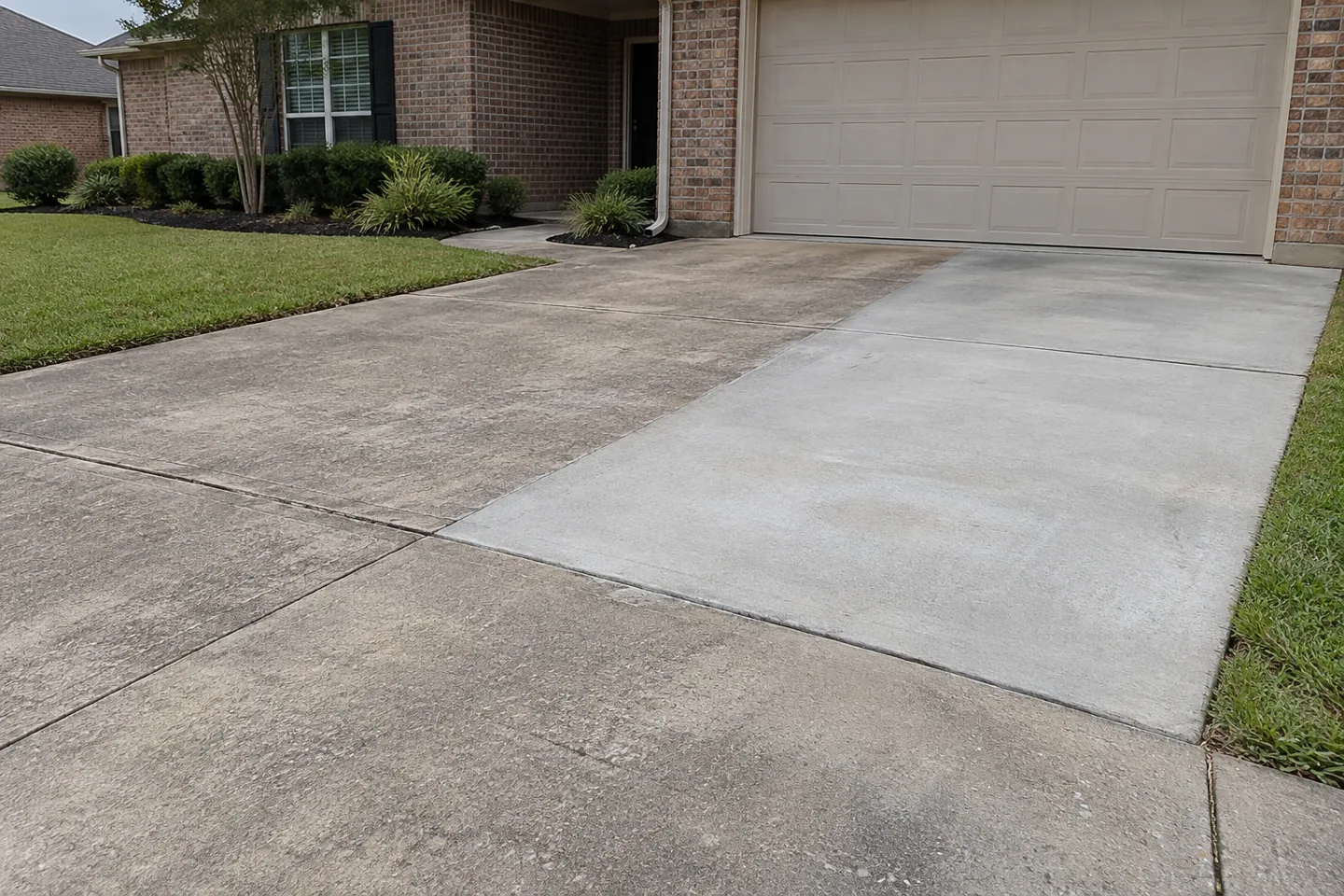
New and existing concrete may have different appearance even when the repair functions as intended.
The situation to discuss
Ask about the likely visual boundary and compare realistic examples before choosing the scope. Keep cosmetic expectations in the written discussion.
Your five-point decision sheet
Use these headings on a simple sketch or in your project notes. Under each one, write the actual property observation, the question you still need answered and the person responsible for the decision. Leave an unknown item marked as a question instead of assuming it is included.
- Which new and retained surfaces are actually being compared?
- What appearance description or selected reference was accepted?
- Which comparable photos, dates and actual use observations are available?
- What later product or provider task is confirmed?
- Which responsible review and proposed follow-up scope are current?
What not to assume
A small repair should not be assumed to match aged concrete invisibly.
Turn the discussion into a clear work boundary
Keep a copy of the marked site sketch with the estimate. Identify the area being authorized and any adjoining feature that must remain protected or available. If the contractor recommends an investigation or a separate trade, record that next step before treating the proposal as a final solution. A planning guide helps you ask questions; it cannot establish hidden conditions from photographs.
When a decision changes the work, request an updated description showing what was added, removed or deferred. Confirm how any additional quantity will be measured and approved. Make sure the person giving the approval has authority for that part of the property. This prevents a useful site conversation from becoming a different job than the one the owner expected.
Bring the right information to the visit
Send your address, the overall project goal and photos showing this specific connection or operating area. Include a wide view for context and a closer view of the detail under discussion. Describe any timing or access constraint that affects the decision. Avoid placing yourself in traffic or entering inaccessible structures to collect information.
Identify the surfaces being compared
Mark the new or repaired concrete and the surface that remained on a dated layout. Photograph both with wide context so another person can locate the boundary. A close image of two colors may show a difference while leaving their age, work limits and retained arrangement unclear.
Keep the accepted scope and construction history available. Identify confirmed information separately from owner recollection. The review should begin with which area was actually replaced and what appearance was offered, rather than assume every adjacent surface was part of the same placement or included repair.
Review the agreed appearance description
Find the finish and appearance wording in the accepted proposal, along with any relevant reference or sample. Ask what features it represented and which expectation was expressly included. A preference discussed during estimating should not become an exact-match promise unless that was part of the verified offer.
Keep retained concrete photographs with the proposal. If the owner prioritized visual consistency, record the contractor's actual response rather than rely on a later memory of the discussion. The current record should distinguish the included appearance from an optional treatment, separate task or earlier unselected reference.
Understand that appearance has several influences
NRMCA's discoloration guidance describes several possible influences involving concrete materials, finishing and curing, rather than one universal cause. Do not diagnose a particular repair from a color photograph alone. Ask the responsible provider to review the actual condition and available project records.
Keep a visible difference separate from conclusions about performance or hidden construction. The owner can explain what changed and where without deciding which material or operation caused it. A website planning guide should not certify a repair or declare it defective based only on its contrast with older retained concrete.
Take comparable photographs
Use the same accessible positions to show the boundary and retained context at different observation times. Note whether the surface is wet or dry and record the date. Keep the original files where possible. A filtered, tightly cropped or differently lit image can be a poor basis for an assumed direct appearance comparison.
Include a wide location view with any close photograph sent for review. Label the surfaces consistently on the layout and images. The objective is to explain the observation accurately, not to make the contrast look stronger or weaker by selecting a photographic treatment that obscures the actual property condition.
Record timing and actual use
Note when the work was completed, when you observed the difference and which activities have used the area. Keep confirmed care instructions and any owner or provider task available. A review needs the current record rather than an assumed construction date or an unstated change in how the surface was used.
Identify later treatments, spills or other observed events without inventing an explanation for their effect. Keep provider information sourced separately from owner observations. The project file should help the responsible party ask the next useful question without turning a sequence of images into an unsupported diagnosis.
Keep treatment information distinguishable
Ask whether a product, coating, sealer or other appearance-related treatment was included or separately applied. Record its actual source and task where known. Do not infer a treatment from a shine, color or sales phrase in a photograph, and do not assume every repair quote includes an appearance correction beyond the selected finish.
If another provider performed a task after concrete placement, keep its records with its own source and date. Tell the reviewing contractor about the actual sequence. A concern at the boundary should not be evaluated as though the surface remained untouched when a later provider or owner activity changed the arrangement.
Request review before choosing a remedy
Send the accepted appearance wording, location photos, observation dates and relevant confirmed records to the responsible provider. Ask what can be assessed and what further information or visit is needed. Keep the question focused on the actual surface rather than demand a correction selected from a photo of a different property.
Do not apply an unreviewed chemical or surface treatment simply to make an early comparison look more uniform. Ask the appropriate provider about the proposed task and product-specific guidance. The current review should establish the next action before a new treatment changes the condition the owner is asking it to assess.
Clarify any proposed follow-up scope
If additional work is recommended, ask which area, task and intended outcome it covers. Keep the offered description understandable and record what remains outside it. An owner should not assume that a localized follow-up automatically produces an exact visual match across every adjoining retained surface.
Identify the responsible provider, access needs and care instructions for the proposed task. Request a current written description before approval. Keep a follow-up appearance goal distinct from a change prompted by another observed condition, so the owner understands why the work is being offered and what result is actually described.
Compare follow-up options with matched boundaries
Read proposals for the same surfaces, accepted appearance goal, included tasks, references and exclusions. Ask about material differences before comparing totals. A treatment covering the repaired area alone is not directly equivalent to work expressly covering a larger retained section beside it.
Keep unresolved expectations visible. If the owner changes from reviewing one boundary to altering the appearance of the whole driveway, request a current scope. The proposal should describe the chosen work and responsibilities rather than retain a task from an earlier localized option that no longer matches the desired project.
Make the comparison record understandable
Give the retained and repaired areas stable labels and use them in the photo list and review request. Keep the same wider reference view with each later observation. This allows another person to locate the boundary and understand the stated concern without interpreting a tightly cropped image as evidence of an unidentified surface or an assumed construction date.
Keep the final appearance record factual
Save the original accepted scope, review findings, approved follow-up and comparable final photographs. Include the source and date of any product or care guidance actually supplied. Record retained differences and pending tasks without describe an offered treatment as a guaranteed result that the responsible provider never promised.
For later observations, use the same location references and note the actual condition and activity. Keep construction facts distinguishable from recollection and provider findings distinguishable from owner interpretation. A clear record helps explain what was compared, reviewed and completed at the boundary without assigning a cause from one image.
Questions before you approve the work
Discuss the actual property and work limits
Send the property address, current photographs, intended use and access needs. Keep planning with these related decisions.
- Concrete curing and reopening responsibilities
- A concrete project closeout photo set
- Concrete project decisions
General background: NRMCA CIP23: Discoloration. A reference does not diagnose a specific surface from photographs.
Reviewed October 14, 2026. Owner preparation guidance; the accepted proposal defines the actual work.