
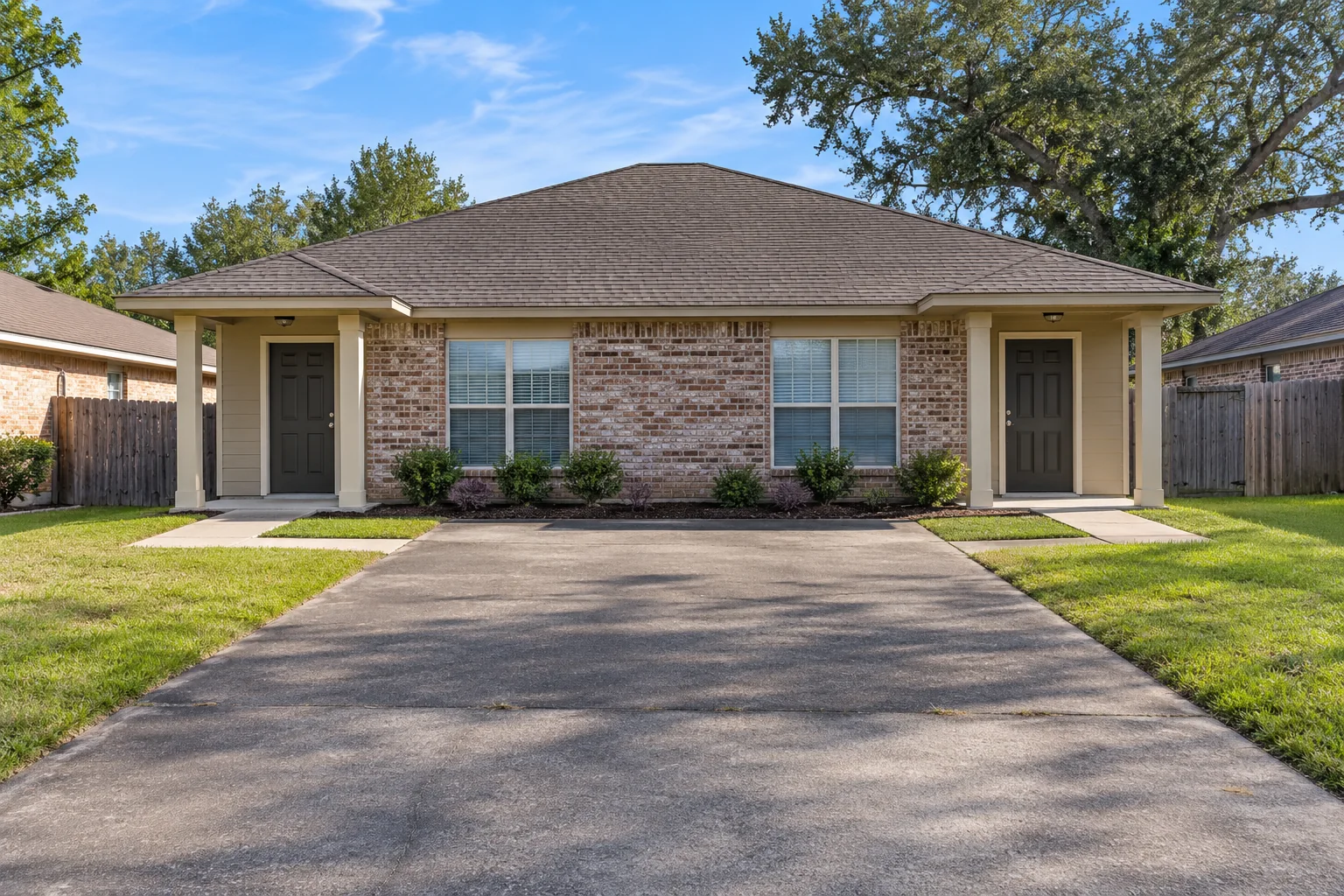
Connect rental approval with occupant access
A rental-property owner may approve work remotely while the occupant manages daily access. Prepare one clear account of the proposed area, relevant entrances and actual use so both are discussing the same project. A proposal sent to the owner does not independently establish that occupants have received the current access instructions or that a suitable arrangement has been reviewed.
If several households share an approach, identify the appropriate authority and affected users without assuming a paving estimate resolves ownership or access rights. Those questions need the relevant parties and review. Keep the proposed work boundary separate from an unverified statement that every adjoining area is available for equipment, parking relocation or a temporary route.
Ask who communicates approved changes to occupants and who receives an access concern. The owner can retain approval authority while ensuring the actual users know the current arrangement. If the boundary or sequence changes, update the message before people arrive expecting a route that is no longer available. A clear response path is more useful than leave each occupant to improvise at the work edge.
Keep the rental history tied to the authorized locations
At a site visit, distinguish the owner's original concern, the provider's findings and the task proposed for approval. A conversation about one area should not silently become a promise concerning every driveway or walking connection. Retain the relevant photographs and current proposal so later questions refer to the same physical locations.
Follow provider instructions when an area is released, and clarify who communicates them to occupants. A completed-looking surface does not establish readiness for every use. Identify a related-provider handoff or remaining restriction where applicable. Keep the direction understandable so a remote owner and on-site user are not relying on different assumptions.
Retain the final scope, approved changes, genuine completion images and deferred items with the property record. When a new concern is reported, record the location and observed behavior without assigning a hidden cause or treat it automatically as the same issue. The history can support future management without determining warranty coverage or responsibility on its own.
Call or text Asphalt Solutions with the rental address, current question and appropriate approval contact. Most projects are at customer job sites. Slidell contact visits require an appointment; listed hours mainly describe phone availability. Coordinate the actual property visit and occupant access directly before construction arrangements are announced as final.
Identify the owner’s goal and the tenant’s access
A rental driveway project involves the physical property and the people using it. Start with the owner’s desired result: addressing a recurring defect, replacing a deteriorated surface or improving a defined parking arrangement. Explain how residents enter, park and walk to the building. The estimator needs both the project goal and the operating facts.
Map the entrance, parking positions, fixed connections and observed concerns. Include wide photos and detail views linked to the locations. If the owner is not on site, ask the property contact for factual observations rather than a guessed repair method. Photographs cannot confirm buried support, all existing layers or final construction quantities.
Identify shared areas or boundaries requiring another party’s coordination. A quote for one rental property does not automatically authorize changes to a neighboring driveway or public connection. Clarify the responsible review and intended construction limit before approval, particularly where tenants use a shared entrance or retained surface.
Compare the scope before approving a budget
Localized repair, resurfacing and replacement are different purchases. Ask what each option removes or retains, what preparation it includes and which limitations remain. A repaired patch or new-looking layer should not be treated as a complete answer to every supporting or drainage concern. The comparison needs to reflect the actual driveway and use.
If asphalt and concrete are both being considered, compare complete property-specific scopes. Preparation, transitions, joints where relevant, access and reopening matter alongside appearance and cost. Do not assume that one material automatically produces a suitable connection to every retained garage, walkway or street interface.
Give bidders the same boundaries, observed concerns and access constraints. Compare included removal, supporting preparation, construction operations, cleanup, allowances and exclusions. A lower total can reflect a different repair area or retained condition rather than equivalent work at a lower rate. Keep those differences visible in the owner’s decision.
Show retained features and water concerns
Photograph where the driveway meets the garage floor, walkways, curbs, drains and other fixed features the project touches. Explain what must remain functional. Added pavement changes elevations, so an overlay proposal should describe relevant connections instead of assuming another layer improves every existing transition.
Record where water collects and the apparent path from nearby features. Include safe observations after rain if available, without asking residents to enter an unsafe area. Keep facts separate from a diagnosis of buried conditions. Ask the assessment to explain any proposed correction and the conditions that will remain outside the scope.
If the concern involves apparent runoff from another property or a shared drain, identify the responsibility question. Do not treat a private driveway quote as permission to alter the adjoining area. Clarify what work the owner can authorize and which coordination or related project is needed before scheduling.
Plan tenant communication around the actual sequence
Identify the property contact responsible for notices and access questions. Use the approved work boundary and available routes rather than a broad message that the entire property will be closed. Describe the construction arrangement accurately, with a way to communicate changes in sequence or reopening instructions.
Discuss alternate parking, pedestrian access and any expected deliveries or move-ins. Distinguish a tenant preference from a necessary route that the plan must assess. The responsible owner or manager should review the actual arrangement and applicable requirements. A general website guide is not a determination about tenant obligations or a suitable temporary access plan.
Assign vehicle clearing, relocation and property preparation tasks explicitly. The contractor’s paving scope should not be assumed to include resident enforcement, moving tenant property or arranging every service visit. Clear responsibilities make the proposal more reviewable and reduce dependence on unconfirmed cooperation.
Confirm approval authority and related work
Name the person who can approve the project and any changed condition discovered during the work. An on-site contact may handle access while a different owner or representative approves cost. The contractor needs a clear instruction path rather than conflicting requests from the resident, manager and owner.
Discuss related fence, landscape or utility work that may affect the driveway sequence. Record what is included and what another provider handles. Ask how the new pavement connects with retained areas or later work. A paving authorization should not silently become responsibility for every associated property task.
If the owner is considering several budget stages, identify what the current approval addresses and what remains deferred. Treat future dates as planning assumptions to review. Keep the scope and decisions clear so the property is not described to residents as fully renewed when the current work is limited to selected areas.
Reopen with written guidance and keep the history
Ask for reopening instructions for the actual work, conditions and vehicles. Clarify ordinary travel, stationary turning, parking and any heavier delivery activity as relevant. Share the agreed guidance with residents and service providers. A finished surface does not establish that every use can resume immediately.
Keep the proposal, notices, work boundaries, dated photos and written care instructions with the property records. Add repair history and later observations when use or condition changes. These facts help the owner or a future manager assess recurring concerns without relying on an undocumented impression of the driveway’s age.
Start an inquiry with the address, desired result, current concerns, photos and tenant access constraints. Include the authorized contact and preferred reply method. For larger managed sites, the commercial form provides another route. The discussion begins assessment and defined options, not a confirmed price, tenant arrangement or construction date.
Questions before you plan the work
Bring the property facts to the conversation
Driveway paving, asphalt repair and concrete services address different project questions. Compare the appropriate scope for your property.