
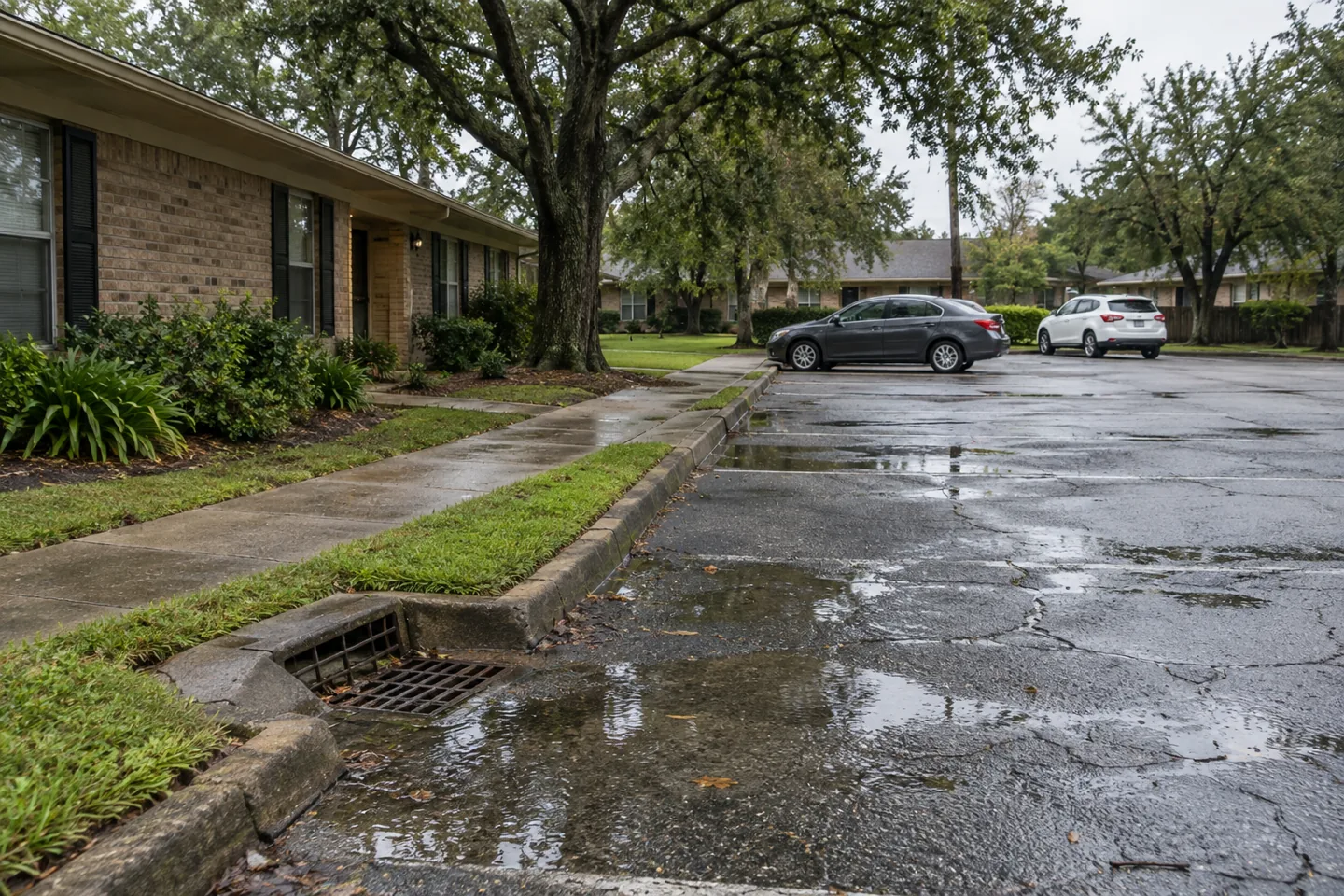
The decision in plain language
A shared sheet helps staff report the same kind of information from different areas.
The situation to discuss
Use consistent location names, photo positions and timestamps. Assign one contact to collect reports before requesting the evaluation.
Your five-point decision sheet
Use these headings on a simple sketch or in your project notes. Under each one, write the actual property observation, the question you still need answered and the person responsible for the decision. Leave an unknown item marked as a question instead of assuming it is included.
- Which section reference connects the observation and photographs?
- What actual date, source and event timing support the entry?
- Which cause statements remain unconfirmed or separately assessed?
- Who obtains each unresolved response and approves the proposal?
- Where are current scope, notices, instructions and handoff actions kept?
What not to assume
Combining reports without dates can make separate events appear to be one condition.
Turn the discussion into a clear work boundary
Keep the current section reference, observation entry and actual proposal linked in the property file. Identify who supplied each provider response and which contact owns the next step. The accepted offer should describe the pavement area authorized, while the shared sheet preserves unresolved questions and separate tasks. This helps an incoming manager understand the present work without treating every historical note as a completed assessment or selected improvement.
When the property decision changes, record the specific section, actual revision and authorized approval in the management file. Ask the contractor whether preparation, access, price or the confirmed work window changes. Keep revised notices connected to that response. The shared sheet should make the current arrangement obvious to staff and tenants without allowing an older observation, tentative date or superseded proposal to be mistaken for today's accepted work.
Bring the right information to the visit
Send your address, the overall project goal and photos showing this specific connection or operating area. Include a wide view for context and a closer view of the detail under discussion. Describe any timing or access constraint that affects the decision. Avoid placing yourself in traffic or entering inaccessible structures to collect information.
Give each property area a recognizable name
Start with the address and a simple section reference that staff, tenants and providers can use consistently. A name such as parking beside the west entry is more useful than a folder of images labeled problem area when the property has several entrances. Add a wide view with fixed landmarks and keep the same reference in later notes. The worksheet should locate the actual pavement question without pretending to be a surveyed drawing. If a section name changes during the discussion, explain the change so a later property contact can connect the existing record with the current request instead of treating the same area as two separate concerns.
Use one observation entry for each actual event
Record the date, location, person preparing the entry and the visible concern. Include known rain or irrigation timing when available, leaving uncertain information clear. Identify whether the entry contains direct observations, photographs or a report supplied by another contact. A shared sheet should not turn a tenant's undated recollection into a confirmed manager observation when it is copied into a quote request. Keep the original source distinguishable. A concise event entry gives the contractor context while allowing the manager to see what is actually documented and what still needs clarification before a provider can respond to the relevant scope question.
Connect photographs with the entry they support
Use a wide image to locate the concern and a closer image for a particular visible detail. Label both with the section reference and actual date. Explain a changed angle, obstructed view or missing portion when comparing images. Do not rearrange differently timed photographs into an implied sequence that the record does not establish. Keep original views available for follow-up. The manager's practical goal is a record another contact can understand, not a technical demonstration based on camera perspective. This helps avoid a later disagreement about which parking section, inlet or entrance was visible when the original concern was raised.
Describe water and pavement separately from assumed causes
Record what was visible, where it appeared and any associated surface concern the manager actually observed. Keep an assumed pipe route, hidden base condition or neighboring source as a question for appropriate review. A provider assessment belongs in the file with its actual author, date and limits. The sheet should not make every new report more definite than its source. This distinction is useful when several property contacts contribute notes and a summary is later sent to a contractor. The estimate request can describe the current concern clearly without assigning a technical explanation or responsibility decision that no qualified contact has actually confirmed.
Identify entrances and ordinary property activity
Describe the vehicles, deliveries, pedestrian routes and tenant activities associated with the requested section. State known owner access constraints and any existing provider instructions relevant to that area. Avoid using the worksheet to invent an operating rule or a temporary route. The contractor should review arrangements relevant to its actual scope, while the manager identifies who uses the section and who coordinates communication. A water observation near a service door and one in a customer parking area may require different property information even when both concern asphalt. Keeping the actual use visible makes the next estimate conversation more focused and practical.
Assign each unresolved item to a contact
When a provider response, property record or owner decision is needed, name the contact responsible for obtaining it and identify the specific section or feature involved. Keep that role distinct from the person authorized to approve the paving proposal when they differ. An unassigned note saying check drainage can remain open indefinitely because no one knows which question or provider it concerns. A useful action entry states the information requested and who will bring it back to the record. Keep the response with the relevant observation so a future manager can tell whether the item was answered, deferred or still awaiting review.
Track provider responses without overstating their status
Save a provider's actual explanation, requested additional information or proposed work item with its date and relevant section. Identify whether it is a preliminary discussion, separate assessment, estimate or accepted scope. Do not record an informal conversation as completed work or a commitment that the provider did not make. If the response refers to another feature, keep that connection explicit. This gives the manager an understandable history and helps the contractor see which facts are current. It also prevents a new contact from assuming a vague note that a provider visited means every related water question on the property has been resolved.
Link the observation sheet to the actual pavement proposal
Identify the requested boundaries, preparation, included items, retained features, exclusions and selected options in the offer. Connect them with the same section names used in the observation record. A provider viewing the sheet does not automatically accept every proposed improvement or every feature pictured. Ask how its pavement work relates to the located concern and which separate task remains open. Keep the accepted agreement identifiable within the broader history. This allows the manager to organize useful background without treating the observation sheet itself as the work specification or an unlimited commitment about future water behavior across the property.
Keep tenant notices tied to confirmed arrangements
Before communicating a work window or access change, obtain the actual arrangement from the responsible contacts for the selected scope. Identify who updates affected users when a provider response or property decision changes that plan. Keep tentative discussion dates and owner preferences separate from confirmed instructions. The observation sheet can point to the current coordination record without becoming an improvised traffic plan. A manager who inherits the file should be able to see which notice applied to which accepted work section and whether it was revised. This helps property communication stay connected to actual work rather than an early estimate assumption.
Create a clear handoff and closeout entry
When responsibility passes to another manager, identify unresolved questions, accepted work, separate provider tasks and the contact for each next step. After permitted access resumes, add recognizable visible closeout views and the provider's actual instructions. Compare the completed section with its accepted description and raise a specific question where needed. A photo does not confirm every underground condition, and a handoff does not turn deferred work into a completed item. Keep the actual response and agreed follow-up beside the relevant reference. The file becomes useful property history because it preserves the status of each item instead of collapsing everything into a single completed drainage note.
Prepare a focused contractor packet from the larger file
For an estimate discussion, send Asphalt Solutions the address, a small set of current recognizable views, actual observation timing, intended section use and the improvement requested. Include relevant provider records with their sources, keeping unresolved features and coordination contacts clear. The full sheet can remain available if more background is needed. Keep unrelated tenant details out of the initial request. A focused packet lets the contractor review the current pavement question, while the wider property file retains its actual history, accepted decisions and next steps for a later contact without requiring every reader to reconstruct them from scattered messages.
Questions before you approve the work
Discuss the actual property and work limits
Send the property address, current photographs, intended use and access needs. Keep planning with these related decisions.
Reviewed October 14, 2026. Owner preparation guidance; the accepted proposal defines the actual work.