
The decision in plain language
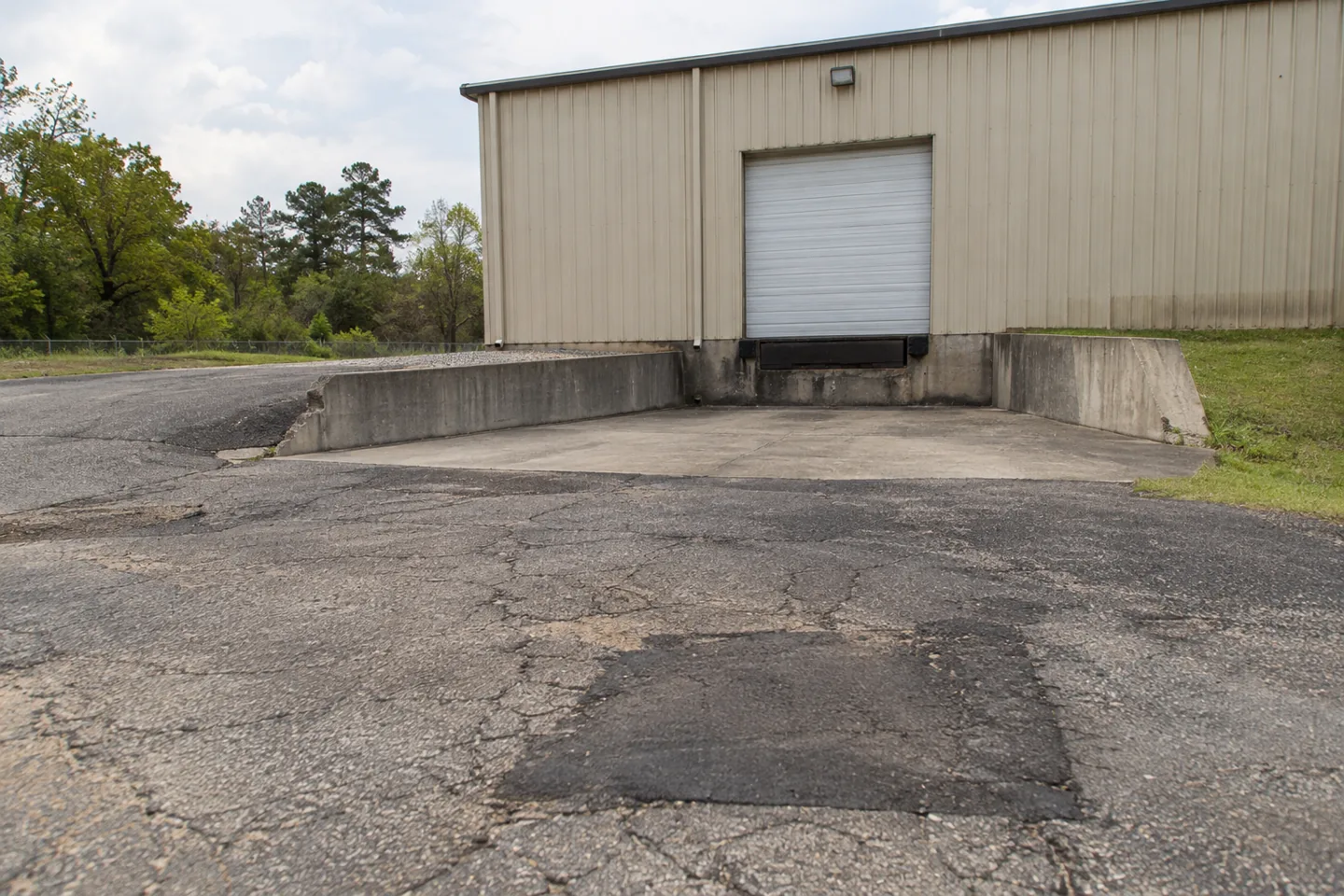
Dock approach, turning and standing areas should be defined as related parts of the project.
The situation to discuss
Show repeated vehicle paths and defect locations. Ask whether the repair addresses the full operating area or only one visible opening.
Your five-point decision sheet
Use these headings on a simple sketch or in your project notes. Under each one, write the actual property observation, the question you still need answered and the person responsible for the decision. Leave an unknown item marked as a question instead of assuming it is included.
- Which pavement limits meet the retained dock and concrete features?
- What receiving windows and provider responses are confirmed?
- Who resolves equipment matters separately from the pavement scope?
- What preparation or alternative arrangement still needs review?
- How will the receiving contact receive the actual pavement handoff?
What not to assume
Repairing a hole at the dock does not automatically investigate the entire approach.
Turn the discussion into a clear work boundary
Keep a copy of the marked site sketch with the estimate. Identify the area being authorized and any adjoining feature that must remain protected or available. If the contractor recommends an investigation or a separate trade, record that next step before treating the proposal as a final solution. A planning guide helps you ask questions; it cannot establish hidden conditions from photographs.
When a decision changes the work, request an updated description showing what was added, removed or deferred. Confirm how any additional quantity will be measured and approved. Make sure the person giving the approval has authority for that part of the property. This prevents a useful site conversation from becoming a different job than the one the owner expected.
Bring the right information to the visit
Send your address, the overall project goal and photos showing this specific connection or operating area. Include a wide view for context and a closer view of the detail under discussion. Describe any timing or access constraint that affects the decision. Avoid placing yourself in traffic or entering inaccessible structures to collect information.
Define the pavement section beside receiving
Show the requested area in a wide photograph that includes the loading dock, retained concrete and recognizable building features. Explain whether the request concerns the approach, neighboring parking, a pavement edge or another surface near receiving. Use consistent section names in the proposal conversation. A general instruction to repair the dock area can involve different surfaces and separate equipment questions. Ask the contractor to identify its actual pavement limits, included items and exclusions. Keep a retained feature or additional task visible as a distinct decision instead of silently including everything near the receiving door in the same price.
Record the actual receiving pattern
Ask the authorized facility contact for the delivery windows and relevant ordinary use of the proposed section. Identify booked appointments separately from a usual pattern or an uncertain arrival. Explain which receiving point the event uses and who supplied the information. A quiet interval observed during one visit does not establish that the area is available throughout the proposed work. The contractor needs a practical picture of the property's use, while the owner needs to see which event is confirmed and which important detail still requires a response before the work window can be approved.
Identify the facility and provider coordination contacts
Name the person who approves the pavement scope and the contact who can confirm receiving information or communicate with a delivery provider. Keep those roles distinct from people who only report an ordinary access need. Give the contractor one approved path for a conflict or revision and a practical backup contact. The owner should know who obtains the provider's response if a delivery arrangement changes. A current contact record makes it easier to resolve an operating question without treating an informal request from someone arriving at the dock as authorization to change the pavement boundaries or reopening instruction.
Keep dock equipment separate from pavement scope
List retained equipment and fixed features only to identify boundaries and coordination questions for the proposed work. Do not direct adjustment, disconnection or operation of dock equipment through this owner worksheet. Ask the facility contact which issues belong to its qualified service provider and how any separate task will be arranged. The pavement proposal should state its own offered scope without silently becoming a dock-service agreement. Keep the responsible provider's response with the relevant feature record. This gives the owner a clearer understanding of which task has been accepted and which matter remains outside the contractor's pavement work.
Describe vehicle use without inventing design information
Obtain practical confirmed information about the delivery vehicles and ordinary receiving arrangement that affects the requested section. Explain where users normally arrive, wait or use the approach when that detail is relevant. Do not guess vehicle weights, turning dimensions or pavement capacity from photographs. If a different movement or surface is considered, have the responsible parties review the actual situation before it becomes an instruction. This guide identifies the access question; it does not approve a vehicle maneuver or supply a temporary traffic design. Keep an uncertain detail marked as uncertain until the relevant provider or property contact confirms it.
Review conflicts against the proposed work limits
Compare the delivery calendar with the actual repair boundary and proposed sequence. If an event conflicts, ask the authorized receiving contact what arrangements can be considered and obtain the provider's response. A request to reschedule does not establish that it was accepted. Record the answer and any property access question still needing review. The owner and contractor can then discuss a realistic work window instead of planning around a hopeful assumption that receiving will move elsewhere. If separate phases are considered, connect each section to the events it affects rather than treating a smaller work area as proof that every conflict disappears.
Assign ordinary preparation and retained-feature responsibilities
Ask who clears ordinary parked vehicles or movable owner items from the agreed pavement area. Identify the section and the deadline confirmed for preparation. Keep specialized equipment tasks and fixed property features distinct from routine clearing. A broad instruction to clear the dock frontage should not silently include work the facility or another provider has never agreed to perform. The contractor should receive a recognizable description of the area the owner will provide, with retained features and unresolved coordination matters still visible. This gives the facility a practical preparation record before the proposed start window is approved.
Communicate the current receiving instruction
Once the responsible parties review the operating arrangement, identify who distributes the current instruction to receiving staff and relevant delivery providers. State the affected section, confirmed window or planning status, contact and source of updates. Do not announce an alternative receiving point that remains unreviewed. Keep tentative scheduling discussions distinct from final operating directions. Save the issued notice and distribution date with the accepted scope. If a provider updates an arrival time, route the information through the approved contact path instead of treating it as independent permission to alter the crew's work boundary or use a restricted pavement section.
Recheck receiving events when the work date changes
If the proposed pavement window is postponed or a phase boundary changes, review the affected booked deliveries and ordinary receiving needs again. Do not simply move the headline project date while leaving obsolete provider responses in the file as though they still apply. Confirm which contacts need a replacement instruction and which events remain unresolved. Keep the current plan obvious while preserving earlier versions as history. This helps the facility communicate the actual reviewed arrangement rather than relying on an old dock notice that was prepared for a different section or work window.
Separate the receiving booking from reopening permission
Ask who provides the actual instruction for the intended use of the completed pavement and how it reaches the facility's receiving contact. Explain the relevant delivery needs during the proposal discussion. A booked arrival or equipment update should not be treated as permission to use a restricted pavement area. This guide does not choose a universal waiting period or certify a surface for a particular vehicle load. Keep the provider's handoff and any separate facility instruction clear. Raise a mismatch through the approved contact path before communicating an unreviewed arrangement to the next receiving user.
Keep the loading-area project record useful
Retain the accepted pavement limits, retained-feature photographs, confirmed receiving information, preparation duties, provider responses, notices, revisions and reopening instruction together. Identify separate equipment tasks and deferred pavement sections clearly. If a concern is observed later, record its location and visible condition without diagnosing concealed pavement from appearance alone. For an estimate discussion, send Asphalt Solutions the address, ordinary pavement views, proposed section names, actual receiving windows and authorized contacts. A focused record supports the scope conversation without treating the contractor estimate as a complete logistics plan, dock-equipment assessment or approval of every alternative vehicle movement near the building.
Questions before you approve the work
Discuss the actual property and work limits
Send the property address, current photographs, intended use and access needs. Keep planning with these related decisions.
Reviewed October 14, 2026. Owner preparation guidance; the accepted proposal defines the actual work.