
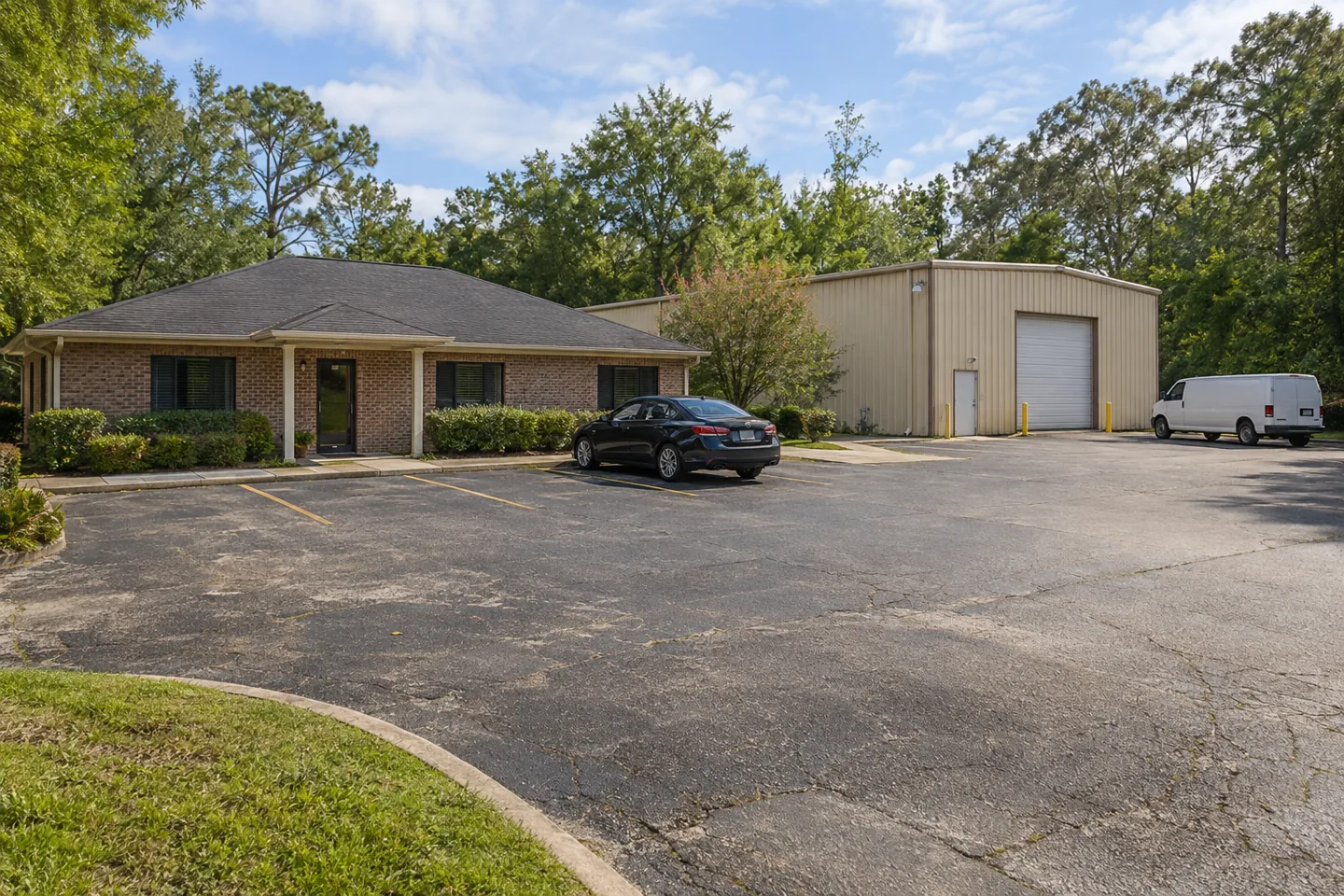
Start with the decision, then organize the facts
A business parking area does more than store vehicles. Customers reach entrances, employees arrive around shifts, providers receive deliveries and tenants share the same pavement at different times. Start with the particular decision that affects your property. These worksheets help organize operating information and scope questions for a conversation with the contractor and authorized property contact. They do not supply a site design or approve an alternative traffic arrangement. Choose the most relevant guide and keep its location names consistent with the photographs or sketch used for the estimate.
Separate the facts you know from the arrangements you would like to request. A booked delivery, a normal operating pattern and a tentative work window are different kinds of information. Identify who can confirm each important detail and who can approve a property-wide change. The useful result is a practical written scope and coordination record, with current instructions, exclusions and unresolved questions visible. A contractor can review the proposed pavement work more effectively when the owner explains the actual business use instead of asking everyone to infer it from a quiet visit.
Keep Shared Operations Organized
Start here when several businesses or service providers need information about the same parking section. Identify the current property contact, the event that affects access and the source of approved updates. Keep tenant notices, delivery arrangements and waste-service coordination connected to the actual proposed boundaries. Each worksheet focuses on a different communication task so an estimate does not silently become a promise that the paving contractor will manage every user and provider on the property.
A tenant communication plan for parking-lot work
Prepare tenant messages that distinguish advance warning from final operating instructions. Identify the affected section, the person who approves changes and the contacts who distribute updates inside each business. Keep obsolete notices from competing with the current plan and record how the reopening instruction reaches the people who use the pavement.
A delivery calendar for a pavement project
Connect actual receiving entrances with booked arrivals, normal delivery patterns and uncertain windows. Name the contact who can coordinate each important event with its provider. Compare the calendar with the proposed work phases and keep a delivery booking separate from permission to use a completed pavement section.
Waste collection during parking-lot repairs
Identify the ordinary collection approach, retained enclosure and proposed repair limits. Confirm service information through the authorized provider contact and keep equipment responsibilities distinct from pavement work. Use the worksheet to expose a collection conflict before a closure is announced, with the actual provider response preserved in the property record.
Plan Around Business Changes And Entrances
A tenant transition or a busy customer entrance can affect a proposed work window even when nearby parking appears empty. Explain the actual events and receiving points, then ask the responsible parties to review the arrangement. These guides identify access questions and communication responsibilities. They do not approve substitute routes, establish technical dimensions or guarantee that an operation can remain available during every part of the work.
Parking-lot work around tenant move-ins
Separate the occupancy date from furniture, equipment and setup deliveries. Connect those events to shared entrances and parking sections, including existing tenants' needs. Identify who can approve a schedule change and how moving contacts will receive the current instruction rather than treating a booked move as automatic pavement access.
Pavement work at a restaurant with a drive-through
Describe the restaurant's ordinary vehicle use, customer entrances and receiving activity around the proposed area. Identify who confirms operating windows and approves a changed arrangement. Keep the drive-through question separate from a casually drawn detour, and connect any notice to a reviewed instruction for the actual property.
Pavement repairs at a medical-office entrance
Locate the proposed repair relative to the office entrance, ordinary pickup and other property uses. Identify the office contact who can review the access discussion without collecting patient information. Keep any alternative entrance question with the responsible parties and make the current operating instruction clear before users are notified.
Match Work Windows To Facility Use
Different facilities concentrate pavement use around different events. A warehouse shift change, a storage-facility visit and a recurring gathering may create separate scheduling questions. Share the confirmed pattern and the property features that need to remain available. Ask who resolves a conflict and how changes are approved. A preferred quiet period is useful planning information, but it becomes an agreed work window only after the relevant scope and operating arrangement have been reviewed.
Warehouse pavement work near shift changes
Record actual arrival, departure and receiving patterns around the proposed warehouse section. Distinguish employee parking from delivery connections and identify the contacts who can confirm each window. Review changes against the real shift calendar rather than assuming a quiet interval between two events is automatically available for the requested work.
Pavement planning for a storage-facility gate lane
Show the gate lane, nearby parking and retained controls in the property reference. Identify the facility contact responsible for operating and service questions. Keep pavement limits separate from gate-equipment work, and ask the responsible parties to review any proposed access change before it becomes an instruction to users.
Church parking-lot work around weekly events
Connect recurring services and other confirmed property events with the proposed pavement sections. Include setup, delivery or shared-use needs that may occur outside the main gathering. Identify who approves the work window and distributes updates so an ordinary weekly pattern is not mistaken for a complete event calendar.
Coordinate Distinct Property Responsibilities
Some commercial projects require several owners, tenants or specialized providers to resolve separate responsibilities. Identify those roles before accepting an access assumption or a scope change. The owner record should make it possible to tell which party has approved a decision and which item remains separate. These worksheets support that coordination without inventing equipment methods, occupancy promises or authority that an ordinary business contact does not actually have.
Coordinating retail-center repairs with multiple owners
Identify the pavement area, the responsible ownership contacts and the actual approval path for shared work. Keep property boundaries and requested improvements recognizable in the proposal record. Ask how conflicting requests are resolved so one contact's discussion does not silently become approval for another owner's surface or access arrangement.
A pavement work plan for an automotive shop
Explain ordinary customer arrival, vehicle storage and service-provider activity near the proposed work section. Identify retained shop features and the contact who reviews operating changes. Keep vehicle relocation and equipment questions assigned to the relevant parties instead of folding every task around the building into an undefined pavement package.
Hotel parking repairs during high occupancy
Describe the confirmed parking and entrance needs relevant to the proposed hotel section and date. Identify who reviews event or occupancy-related conflicts and communicates updates to operating staff. Ask about the actual phase boundaries rather than assuming all users can relocate to another part of the property without a reviewed arrangement.
Make Approval And Closeout Traceable
A project decision needs a clear handoff as well as a start date. Identify the approved scope, the person who can authorize changes and the information that will remain in the final property file. Keep completed sections, deferred items and open questions distinct. These guides help an owner follow the actual agreement without turning an informal message or surface photograph into proof of hidden work, technical certification or a new contractual promise.
Pavement work near a loading dock
Locate the requested pavement work beside the receiving area and retained dock features. Explain the confirmed receiving pattern and identify separate equipment responsibilities. Raise the vehicle-access question with the responsible parties before an alternative arrangement is issued, keeping the actual work limits and provider responses together.
A commercial pavement approval chain
Name the people who approve scope, coordinate access and distribute notices, with a practical backup contact. Keep those roles separate from the wider tenant list. Record how a requested change becomes an approved revision so the crew receives one current instruction rather than several competing messages with unclear authority.
A parking-lot closeout meeting agenda
Bring the accepted proposal, approved changes and recognizable area photographs to a focused review. Identify completed work, deferred items and questions that need provider clarification. Save the actual reopening instructions and agreed follow-up steps without treating a visible appearance difference as a diagnosis of concealed pavement conditions.
Questions before you choose the next step
Bring the property facts to the quote conversation
For a commercial quote discussion, send the address, current pavement photographs, proposed work-section names and the authorized property contact. Explain actual business hours, deliveries, shared entrances and the specific concern you want reviewed. State which dates are confirmed and which access arrangements still need attention. Asphalt Solutions can discuss the requested work with that property information in view. Keep the accepted proposal and any later approval together so these planning worksheets remain connected to the actual scope rather than becoming assumptions about what every commercial project includes.
Explore commercial pavement services or return to the resource library.
Reviewed October 14, 2026. Planning resources; the accepted proposal defines the actual work.