
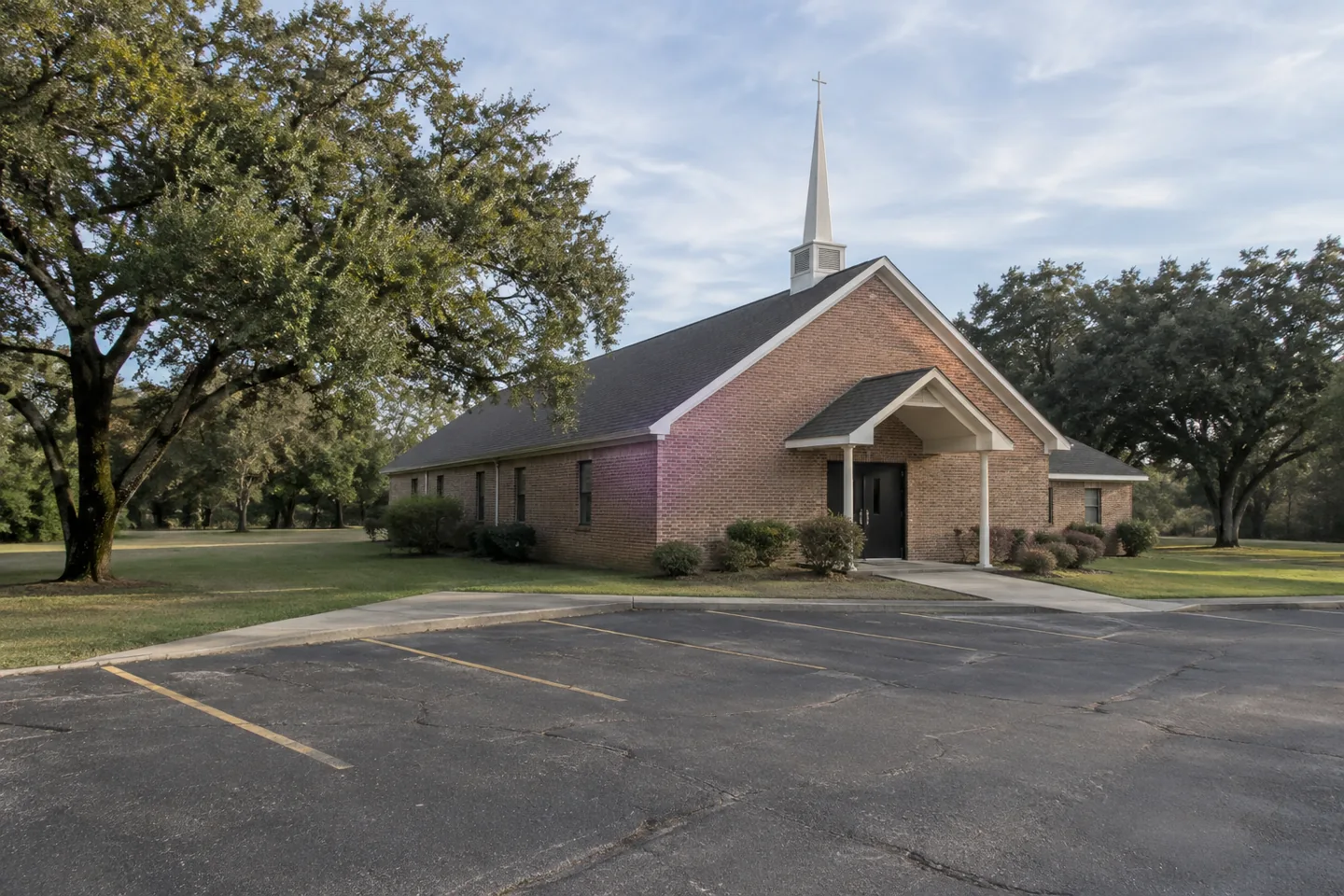
The decision in plain language
The operating schedule can include weekday gatherings as well as services.
The situation to discuss
Build a real event calendar before committing the lot to a closure. Assign a contact for last-minute changes and reopening notices.
Your five-point decision sheet
Use these headings on a simple sketch or in your project notes. Under each one, write the actual property observation, the question you still need answered and the person responsible for the decision. Leave an unknown item marked as a question instead of assuming it is included.
- Which confirmed events, setup and delivery windows use the proposed section?
- Who approves scope and coordinates organizer notices?
- Which parking and entrance questions still need responsible review?
- What preparation duties and phase boundaries are actually agreed?
- How will postponements and reopening instructions reach relevant organizers?
What not to assume
Assuming only Sunday matters can miss significant use of the property.
Turn the discussion into a clear work boundary
Keep a copy of the marked site sketch with the estimate. Identify the area being authorized and any adjoining feature that must remain protected or available. If the contractor recommends an investigation or a separate trade, record that next step before treating the proposal as a final solution. A planning guide helps you ask questions; it cannot establish hidden conditions from photographs.
When a decision changes the work, request an updated description showing what was added, removed or deferred. Confirm how any additional quantity will be measured and approved. Make sure the person giving the approval has authority for that part of the property. This prevents a useful site conversation from becoming a different job than the one the owner expected.
Bring the right information to the visit
Send your address, the overall project goal and photos showing this specific connection or operating area. Include a wide view for context and a closer view of the detail under discussion. Describe any timing or access constraint that affects the decision. Avoid placing yourself in traffic or entering inaccessible structures to collect information.
Start with the actual property calendar
Ask the authorized property contact to list the events that use the proposed pavement section during the period being considered. Include the main weekly gathering and relevant setup, cleanup, deliveries or other scheduled use when those activities occur at this property. Do not assume every congregation follows the same timetable. A calendar entry should identify its confirmed window and the person who supplied it. This gives the contractor a practical description of the requested area's use instead of asking it to infer availability from the day of the week or from one quiet visit to an empty parking area.
Name the parking and entrance sections consistently
Use a simple property reference to identify front parking, a side entrance, a service approach or another relevant section. Connect those names to fixed landmarks and ordinary photographs. An event may use only part of the property, while the proposed repair concerns a different section. Ask the contractor to identify the actual work limits and retained surfaces. Avoid describing every paved area as one church lot when the proposal covers only a defined portion. Consistent names help the property contact, event coordinator and contractor discuss the same place when an access question or schedule change needs attention.
Include activity outside the main gathering
Review confirmed setup and cleanup windows, deliveries and other uses that may occur before or after the public event. A meeting-room booking, rehearsal or shared organization can affect parking even when the main gathering is not underway. Include those uses only when the property contact confirms that they are relevant. Keep tentative requests distinguishable from booked events. The purpose is a complete enough calendar to review the proposed pavement window, not a general inventory of every activity that might someday happen. Assign a contact to resolve an important uncertain entry before it becomes the basis for a work-date decision.
Identify who approves and who distributes information
State who can approve the pavement scope, who coordinates property events and who communicates the current instruction to relevant organizers or users. Those roles may belong to different people. A volunteer or event contact can report a conflict without automatically having authority to change the property-wide work arrangement. Give the contractor one approved decision path and a practical backup contact. Keep that path current in the proposal record. This prevents several well-intended requests from becoming competing crew instructions and makes it easier to know which person can confirm an operating change before the date is announced.
Describe ordinary entrance and parking needs
Explain how the affected events normally use parking, receiving points and building entrances. Identify the actual locations that intersect the proposed work section. Do not casually offer another door or neighboring property as an approved substitute. The responsible parties need to review any proposed arrangement for the actual site and intended users. This owner worksheet does not supply a temporary traffic design or establish route dimensions. A recognizable sketch can locate the question, while the appropriate property and professional review resolves the instruction that organizers can communicate to people using the building during the agreed work window.
Compare the proposed work window with confirmed events
Ask the contractor and authorized property contact to review the requested scope against the event calendar. Explain which dates are flexible and which arrangements have been confirmed. A preferred quiet period is useful planning information, but it should not be announced as an approved closure until the relevant access questions are resolved. If a separate phase is considered, connect its actual boundaries to the events using that section. Do not assume that dividing the work automatically preserves every entrance or parking need. Keep the accepted sequence and unresolved questions together so the owner can see what still requires a decision.
Assign ordinary property preparation tasks
Ask who arranges vehicle relocation and clears ordinary movable items from the agreed pavement section. Identify the section and the point when preparation must be complete. Keep fixed building or property features and specialized provider tasks separate from routine clearing. A volunteer instruction should not silently expand the contractor's scope or direct a technical task that another provider must review. The property contact should have a practical list of the responsibilities it accepted. This lets organizers prepare the correct area and gives the contractor a recognizable description of the space the owner has agreed to provide for the proposed work.
Issue event notices from the reviewed arrangement
Once the responsible parties approve the plan, identify which organizers and user groups need the current property instruction. State the affected section, confirmed window, relevant preparation duty and source of updates. Label an advance planning message clearly so it is not mistaken for the final operating notice. Avoid promising a fixed reopening hour that the provider has not confirmed. Save the issued message and distribution date with the project record. If an event contact forwards it, the message should still make clear where the latest information can be found and who receives a concern about the actual property arrangement.
Prepare a postponement process before it is needed
Ask the contractor how a schedule update reaches the property contact for this proposed scope. Identify who revises event notices and who confirms the alternative window with the affected organizers. A postponed start does not automatically approve the next open date on a shared calendar. Review the revised arrangement and identify which earlier instruction it replaces. Keep the change simple enough that the recipient can see the current section and date or planning status. Saving the provider response and replacement notice gives the next property contact a usable history instead of a collection of conflicting reminders with no clear current version.
Keep reopening separate from the next gathering
A scheduled event does not by itself authorize use of a restricted pavement section. Ask who provides the actual instruction for the intended use of the completed work and how it reaches the organizer. Explain the relevant pedestrian, parking and receiving needs during the proposal discussion. This guide does not choose a universal waiting period or certify an entrance arrangement. Keep the provider's message and any separate reviewed property instruction clear in the handoff. The event contact should communicate the agreed information instead of deciding readiness solely from the surface's appearance or from the fact that people are expected to arrive.
Retain a useful congregation property record
Keep the accepted work limits, confirmed calendar, preparation duties, approved notices, changes and reopening instruction with recognizable photographs of the affected areas. Identify completed, excluded and deferred sections separately. For an estimate discussion, send Asphalt Solutions the property address, current pavement views, relevant event windows and authorized contacts. Explain the particular parking or entrance question needing review. A focused record helps the contractor discuss the requested work and coordination assumptions without being expected to know the congregation's entire calendar, manage every organizer or guarantee an access arrangement that the responsible parties have not yet approved.
Questions before you approve the work
Discuss the actual property and work limits
Send the property address, current photographs, intended use and access needs. Keep planning with these related decisions.
Reviewed October 14, 2026. Owner preparation guidance; the accepted proposal defines the actual work.