
The decision in plain language
Compare dated observations before assuming normal aging caused a new defect.
The situation to discuss
Keep delivery routes and vehicle information with photos from the affected area. Ask whether repairs need to address the changed use.
Your five-point decision sheet
Use these headings on a simple sketch or in your project notes. Under each one, write the actual property observation, the question you still need answered and the person responsible for the decision. Leave an unknown item marked as a question instead of assuming it is included.
- Which dated location views show the actual observed change?
- What earlier records and confirmed provider movements are available?
- How are timing, recollection and conclusions about cause distinguished?
- What current use, retained context and reviewed work boundary apply?
- Which findings, changes and care records should the next contact receive?
What not to assume
A maintenance history without operating changes may leave out useful context.
Turn the discussion into a clear work boundary
Keep a copy of the marked site sketch with the estimate. Identify the area being authorized and any adjoining feature that must remain protected or available. If the contractor recommends an investigation or a separate trade, record that next step before treating the proposal as a final solution. A planning guide helps you ask questions; it cannot establish hidden conditions from photographs.
When a decision changes the work, request an updated description showing what was added, removed or deferred. Confirm how any additional quantity will be measured and approved. Make sure the person giving the approval has authority for that part of the property. This prevents a useful site conversation from becoming a different job than the one the owner expected.
Bring the right information to the visit
Send your address, the overall project goal and photos showing this specific connection or operating area. Include a wide view for context and a closer view of the detail under discussion. Describe any timing or access constraint that affects the decision. Avoid placing yourself in traffic or entering inaccessible structures to collect information.
Locate the changed condition
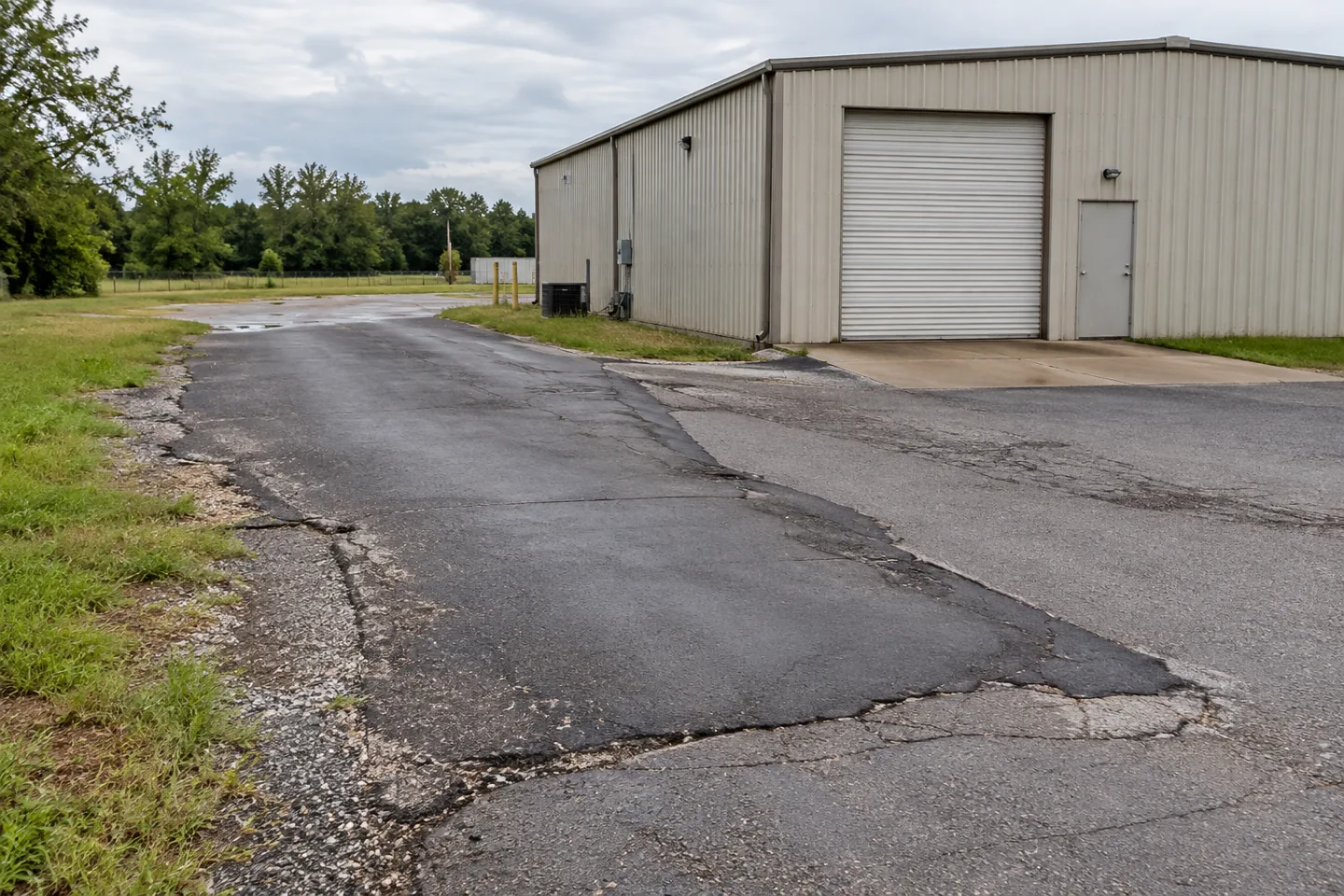
Show the observed concern within the full driveway, parking or service route. Take a wide view for context and an accessible closer image of the visible detail. Identify a stable location label and record the observation date. A close crack or edge photograph alone may not explain where the change lies in the property's actual use.
Mark the location on a dated layout showing retained connections and the route being discussed. Keep the owner observation separate from a finding about hidden conditions. The contractor needs a clear place and question for review, rather than a construction diagnosis inferred from a single image after a provider visit.
Retain the earlier record where available
Keep dated photographs or confirmed project records showing the same location before the observed change. Use matching labels so another person can understand what is being compared. Do not claim a verified before-and-after sequence where the images' timing, location or provenance is uncertain.
If no earlier record exists, say so. Describe when the concern was first noticed without inventing the condition of the pavement before that date. A useful inquiry distinguishes what is documented from recollection, rather than turn the absence of a previous photo into proof that a particular movement caused the change.
Record the actual provider movement
Gather confirmed information about the visit, route, stopping position and activity where available. Identify its source and date. A vehicle name or a general phrase such as heavy delivery does not establish the whole movement or construction context the contractor needs to understand the observed pavement location.
Keep estimated or remembered details marked as such. Do not infer load information from an image or assign a vehicle specification the provider has not confirmed. The purpose is to explain the actual property event for review, not to produce an unsupported technical reconstruction from a parked vehicle photograph.
Separate timing from a conclusion about cause
Record when the delivery occurred and when the concern was observed. Keep those facts distinguishable from a claim about why the pavement changed. A condition noticed after a visit may need review of the retained surface, prior work and actual use rather than an owner conclusion based only on sequence.
Ask the contractor what can be assessed from the record and which issue needs a visit or another provider. Keep its finding with its source. The inquiry should help identify the next review without diagnosing hidden support or assign responsibility for a changed condition from one photograph.
Include other current property activity
Describe routine vehicles, standing equipment, collection movements and any construction or maintenance work using the same area. Keep confirmed history separately sourced and label recollection as recollection. The review should consider the actual property record rather than a simplified account leaving other relevant activity out of the discussion.
If the route or retained features changed after the earlier photographs, identify that change on the layout. The contractor should know which arrangement is current. Keep old versions as history while making the selected current route understandable to the owner and any provider reviewing the observed concern.
Show water and retained edge context
Photograph visible low areas, runoff routes, adjoining ground and retained connections around the location. Note timing relative to rain where relevant. An edge or surface concern should be shown with its wider surroundings rather than cropped so tightly that the contractor cannot understand the boundary and nearby features.
Keep observations separate from a drainage or support diagnosis. Ask which additional information would help the responsible review. A surface photograph can locate a question, but it does not establish a complete water route or the hidden construction arrangement beneath every part of the driveway or parking surface.
Explain the current operating effect
Describe how the observed condition relates to walking, parking, turning or provider use. Identify essential access needs and the property contact responsible for operating decisions. The contractor should understand the actual routine before discussing a possible review, work boundary or construction sequence affecting that route.
Keep planned future deliveries visible where they affect the inquiry. Ask what confirmed provider information is needed before those activities are coordinated with proposed work. The owner should not treat the maintenance discussion as permission for every vehicle movement simply because a retained surface is still present at the property.
Request a reviewed scope rather than a preset treatment
Send the location record, actual use and confirmed history and ask what assessment is needed. If work is proposed, request an understandable boundary, preparation and retained connection description. Do not choose a treatment from the apparent size of the change or assume a general maintenance item resolves the whole concern.
Keep a separate-provider task or pending finding visible before approving the scope. If the recommended boundary differs from the original request, ask why and retain the current layout. The accepted proposal should describe the reviewed work rather than a repair assumption attached to an unverified account of the delivery event.
Coordinate access for any selected work
Show crew travel, staging and provider visits with the proposed boundary and essential property movements. Ask which practical closure or phase arrangement is reviewed for this site. A retained route outside the selected work is not automatically available for every activity while preparation and construction change the occupied arrangement.
Assign vehicle movement and notices before arrival. If a provider changes its next visit or the work sequence is revised, request current guidance. Keep the authorized contact and approval process visible so the contractor and owner use the same accepted task and route rather than separate verbal versions.
Make the image index traceable
A simple photo list can record the filename, location, observation date and source beside the relevant provider information. Leave an uncertain item marked as uncertain. This helps the next reviewer understand what is actually documented without guessing a delivery specification, assuming an image was taken before the visit or presenting owner recollection as confirmed project history.
Keep the final record and later observations consistent
Save the accepted scope, findings, approved revisions and final photographs with project-specific care and reopening guidance. Retain confirmed provider information separately sourced. Do not describe completed work as a finding about the cause of every observed change unless that conclusion is actually part of the responsible review.
For later observations, use the same location labels and note timing and actual activity. Keep original files where possible. A current record helps another property contact understand what was observed, documented, reviewed and completed without turning a sequence of images into an unsupported claim about hidden conditions or a particular provider's responsibility.
Questions before you approve the work
Discuss the actual property and work limits
Send the property address, current photographs, intended use and access needs. Keep planning with these related decisions.
Reviewed October 14, 2026. Owner preparation guidance; the accepted proposal defines the actual work.