
Start with the decision, then organize the facts
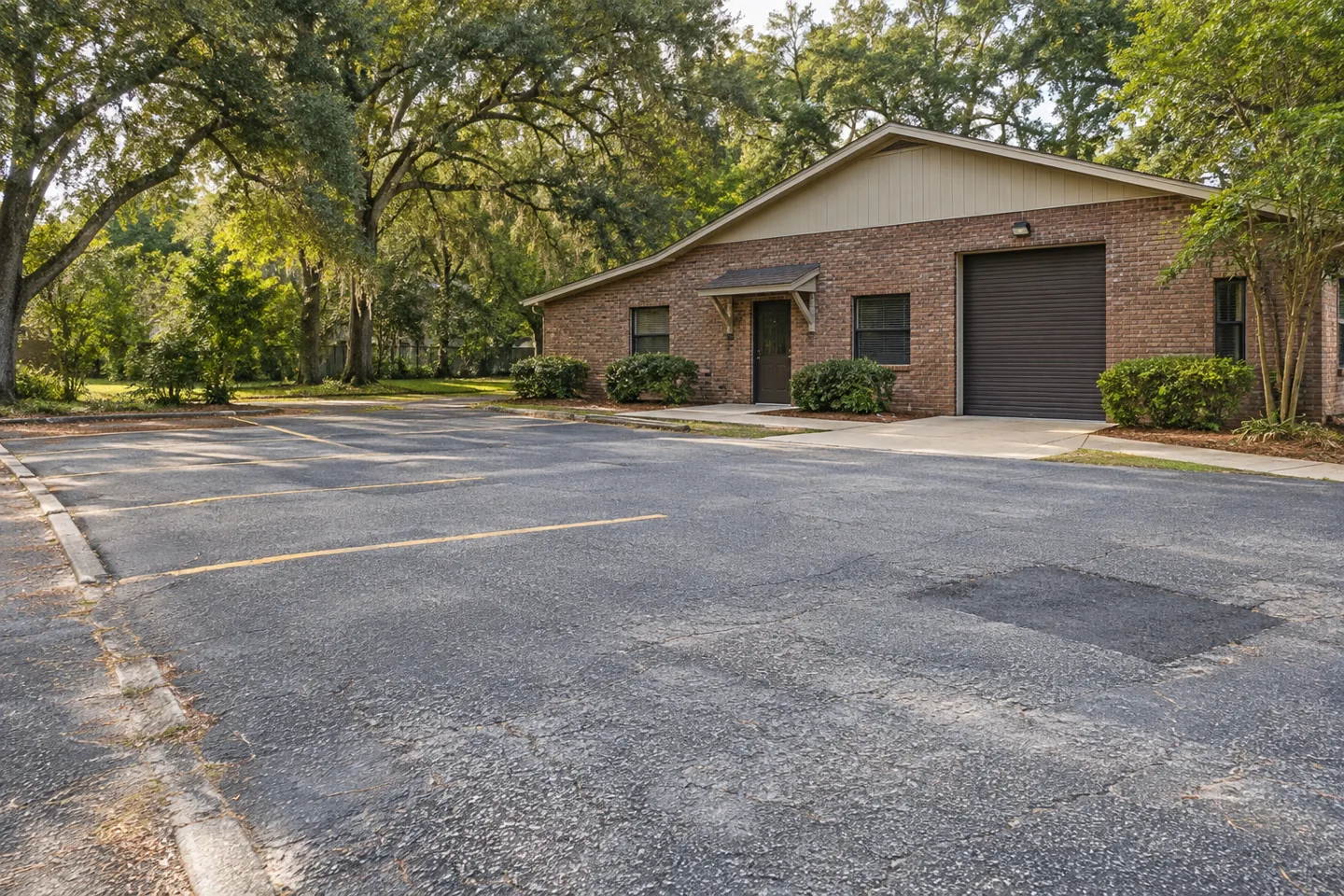
A maintenance conversation is easier when the owner starts with a specific decision. You may be comparing priorities, arranging access for an occupied property, identifying preparation questions or organizing records after work. Those are related tasks, but they need different information. This hub helps you choose the relevant worksheet without turning one surface photograph into a construction diagnosis or selecting a treatment before the actual condition is reviewed.
Use the current property address, a dated layout and wide photographs as your starting record. Mark confirmed facts separately from recollection and leave unknown conditions as questions. The focused guides below help organize the conversation with the responsible contractor or provider. Keep the accepted proposal as the description of actual work, including its limits and responsibilities, rather than treat a general planning article as a price, design or availability promise.
1. Decide what belongs in the work
Begin by explaining the concern that prompted the maintenance inquiry. Locate visible damage, describe actual property use and distinguish an operating problem from an appearance preference. Ask the contractor what the visit can establish and which issue needs further review. A priority list should make the next decision understandable, rather than rank every mark on the surface from a photograph alone.
Read the proposal for included work, optional items and exclusions before approving the total. FHWA's general preservation guidance distinguishes surface preservation from work that adds structural value; it is background for asking about scope, not a specification for a private property. Keep the condition review, offered treatment and any separate repair task visible so the maintenance plan describes the work actually being considered.
A pavement maintenance priority list for one property
Organize locations, actual use and the question each concern raises. Keep owner observations, contractor findings and pending review separate before deciding which work belongs in the first accepted scope.
Reviewing a maintenance proposal with optional items
Separate the base offer from options that need a distinct decision. Record covered boundaries and responsibilities so a selected upgrade is distinguishable from an earlier alternative that was discussed but not authorized.
Sealcoating exclusions to clarify in writing
Ask which surfaces, conditions and adjoining tasks are outside the treatment offer. Keep exclusions with the accepted layout so the owner does not assume a general sealcoating description covers every feature at the property.
2. Make access and parking workable
An open space is useful only when people can reach it by an agreed route. Show entrances, parking, walking connections, deliveries and collection movements together. Identify essential access needs while estimating, not after a closure is scheduled. The contractor needs the occupied arrangement and actual routine rather than a cleared-site sketch that leaves the property's daily activity out of the discussion.
Assign vehicle movement, notices and provider coordination to named contacts before the crew arrives. If work is phased, record the handoff and restrictions for each stage. Keep current instructions available to users who were not present during the quote conversation. A change in weather, provider work or construction sequence should lead to current guidance rather than continued use of an earlier access assumption.
Choosing maintenance phases for a small lot
Review usable routes, occupied spaces and stage handoffs instead of dividing only the area. Explain which entrances and provider movements need coordination before accepting the proposed maintenance sequence for the actual property.
Parking relocation for pavement maintenance
Identify where vehicles will move, who arranges it and which route remains available. Keep temporary parking permissions and current closure instructions distinguishable from the normal property arrangement shown during the estimate visit.
Sealcoating around business entrances
Show customer, staff and provider movements at the entrance. Define the treatment boundary and current walking route before scheduling so the business contact can communicate the same access instructions to affected users.
3. Account for the vehicles that use the property
Describe daily and occasional movements separately. A parked trailer, a delivery route and a school pickup period create different planning questions, even when they use the same paved area. Share confirmed vehicle or provider information where available and label owner estimates as estimates. The planning goal is to explain actual use, not select a construction detail or diagnose a defect from a vehicle name alone.
Keep changes in use visible after estimating. If another vehicle, trailer position or provider routine becomes part of the plan, request a current scope and access review where relevant. Maintain dated observations so a later concern can be located and discussed without assuming its cause. The record should distinguish confirmed work history and provider findings from an owner's interpretation of one surface image.
Maintenance work around parked trailers
Show the normal standing arrangement, intended movement and areas that will be exposed. Assign temporary trailer relocation and make retained or excluded treatment boundaries understandable before the accepted construction route depends on clearing them.
Documenting pavement changes after heavy deliveries
Compare dated location views and actual provider movements without assigning cause from one photograph. Keep confirmed delivery information and repair history available for the responsible contractor's review of the observed pavement change.
Maintenance planning around school pickup traffic
Describe the actual arrival, parking and walking pattern and identify the responsible property contact. Keep the accepted construction access plan and current notices aligned with the activity that will be present during the work.
4. Clarify preparation and retained features
Show stains, loose material, retained landscape edges and service-area features with their wider location. Ask what preparation is included for the reviewed surface and which task remains separate. A familiar treatment name should not silently absorb every repair, cleanup or equipment change around the property. Keep the accepted boundary and responsible providers understandable before comparing prices or agreeing the sequence.
Where a product or treatment recommendation is supplied, keep its actual source and applicability with the proposal. Do not turn a manufacturer's general guidance into a claim that the company uses a particular product or that one method suits every condition. Record any review still needed and agree how a changed condition will be documented and approved before additional work extends the accepted scope.
Oil-affected asphalt before a maintenance treatment
Locate the observed stain with wide and close views and describe confirmed history. Ask the contractor about actual condition, preparation and included treatment rather than assume a darker surface proves the stain or underlying concern is resolved.
Maintenance near fuel or service areas
Identify the operating routine, retained equipment and separate-provider responsibilities before defining nearby pavement work. Keep current restrictions and preparation questions visible rather than treat the service area as ordinary vacant ground available to the crew.
Protecting landscaped borders during maintenance
Show retained planting edges, irrigation and the crew approach with the proposed treatment limits. Assign protection, clearing and restoration tasks expressly so the owner understands which adjoining features remain outside the maintenance scope.
5. Leave a record the next person can use
Keep the accepted layout, scope, approved changes and current care guidance together. Use stable location labels on photographs so another property contact can identify the same entrance, edge or retained connection. A final image shows visible context, but it does not replace the construction record, establish hidden conditions or authorize a later activity not covered by the contractor's current instructions.
Name pending tasks and their responsible contacts. If a separate provider performs marking or another later stage, keep its records sourced separately from the maintenance work. Use verified real matching photographs for any before-and-after comparison, and retain original files where possible. A clear handoff explains what was completed, what stayed and which next decision remains open without inventing a customer result or a performance promise.
Planning line marking after pavement maintenance
Keep the accepted parking arrangement, marking scope and provider handoff distinct from the surface treatment. Record which layout is current and which stage or reopening instruction must be confirmed before the marking work begins.
A maintenance record for a property with several tenants
Use one dated current record with named contacts, work limits and access instructions. Make confirmed changes available to affected users so the next property manager does not have to reconstruct the job from separate verbal messages.
Checking maintenance results without guessing hidden conditions
Locate visible observations and compare them with the accepted scope, care guidance and actual use. Keep the contractor's findings separate from owner interpretation and direct any unresolved question to the responsible provider for review.
Questions before you choose the next step
Bring the property facts to the quote conversation
Send the actual property address, wide location photographs and the decision you want help reviewing. Include essential access needs and any confirmed provider information affecting the route or retained features. Ask which additional information or visit is needed before the scope is settled. Asphalt Solutions' Slidell contact location is by appointment only; arrange contact rather than assume a walk-in visit or immediate availability from a planning page.
Explore pavement maintenance services or return to the resource library. General background: FHWA preservation and maintenance guidance; this highway reference is not a private-property specification.
Reviewed October 14, 2026. Planning resources; the accepted proposal defines the actual work.