
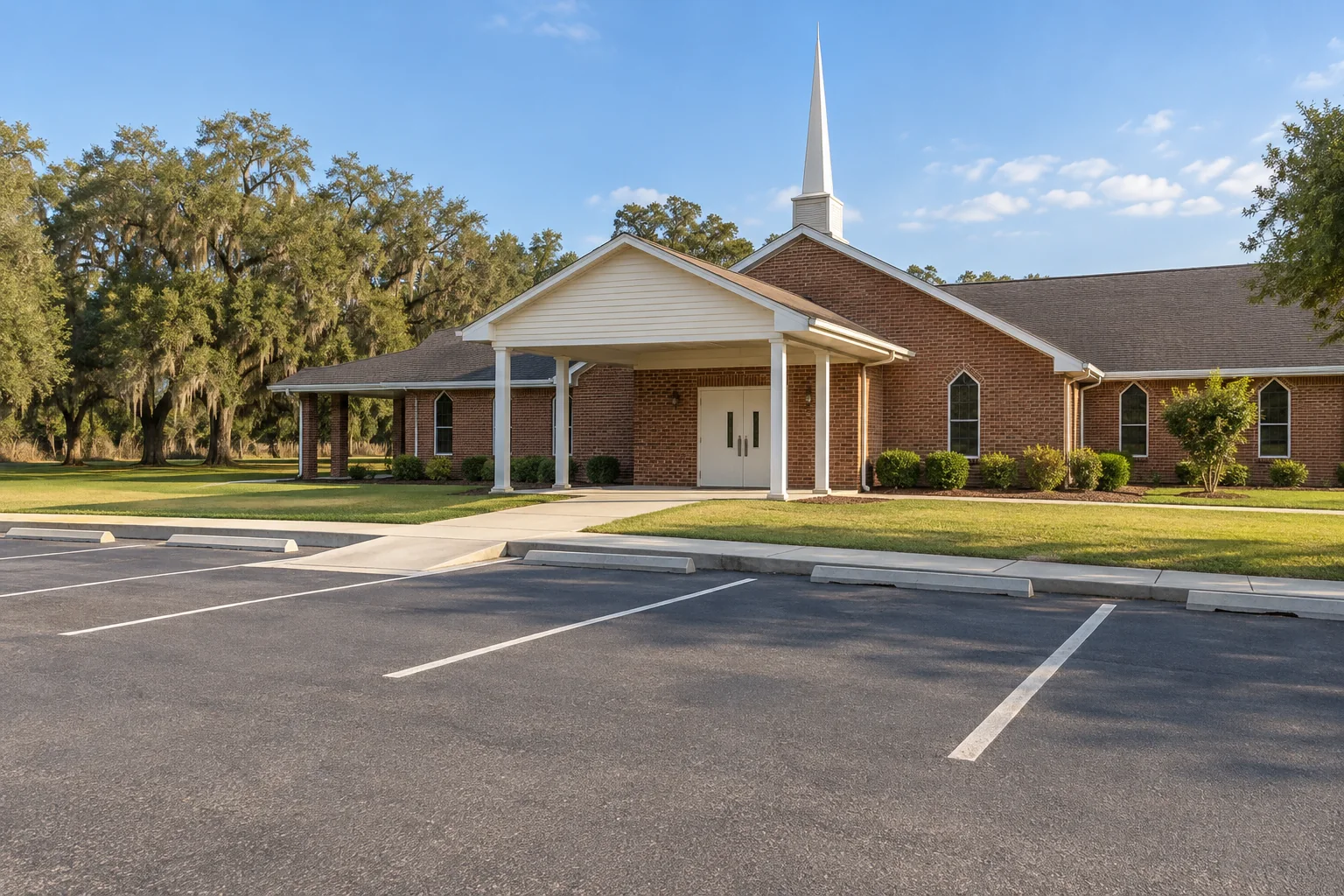
Turn a church calendar into a phase-specific handoff
A church may have a large weekend gathering, smaller meetings and service visits using different parts of the property. Review the actual calendar with the responsible operator instead of assume the lot is unused between major events. Identify which entrances and arrival areas each activity needs, then compare those connections with the proposed work boundary and sequence.
If an alternative arrangement is needed, review the complete journey from arrival to destination with the appropriate parties. A door on another side of the building is not automatically a suitable substitute. Keep relevant user needs and any necessary specialist review visible. The goal is an arrangement that has been considered for the actual phase, rather than a general assurance that people can find another way around the work.
Identify the person who can authorize schedule or access changes. Volunteers may help communicate the agreed plan without being responsible for making technical or operational decisions beyond their role. Keep those responsibilities clear so a concern is directed to the right person and an unapproved suggestion does not become the instruction attendees receive.
Keep the approving group and property operator aligned
When a committee or other group approves the proposal, retain the actual scope, exclusions and operating plan with that decision. If the boundary changes, communicate the revision to the person managing the property as well as the approving contact. A changed work area can affect an entrance or service route even when the broader project goal remains the same.
At closeout, follow instructions for the actual activities and identify who communicates reopening before the next gathering. A completed-looking area does not establish readiness for every use or complete a separate provider's task. Keep any remaining handoff clear so attendees receive consistent direction from the people responsible for the event.
Retain genuine completion photographs and any deferred or excluded task with the property record. Later observations can be added without assigning responsibility or a hidden cause from appearance alone. A useful history explains what was authorized and performed, with the remaining question stated precisely enough for a future review.
Call or text Asphalt Solutions with the church address, relevant calendar and affected connections. Most work takes place at customer job sites. Visits to the Slidell contact location are by appointment only; listed hours mainly concern phone availability. Coordinate the actual assessment and project sequence directly before communicating construction arrangements to the congregation.
Plan around the full church calendar
A church property can host more than its main weekly service. Meetings, weekday programs, community events, deliveries and building maintenance may use the same paved areas. Give the estimator the actual operating calendar rather than assume the lot is available whenever the main service is not taking place. Identify the events and routes that the project must discuss.
Map parking areas, pedestrian connections, entrances and service routes. Explain where people arrive together and how they reach the building. If another organization or neighboring property uses part of the site, identify that arrangement and the relevant boundary. The project scope should reflect what the church is authorized to approve.
Document pavement concerns by location and effect on use. Include wide views of the lot, close-ups of defects and photos of connections near entrances. Explain water collection or repeated repairs as observations. These facts help prepare an assessment without presenting a surface photograph as a diagnosis of hidden conditions.
Give the approving group a clear comparison
A church project may be reviewed by trustees, a facilities group or another authorized body. Give decision makers the same defined scope, with repair boundaries, preparation, retained areas and related tasks explained. A clear comparison is more useful than several totals that describe different work. Identify who can approve the final proposal and any later change.
Ask the assessment to distinguish localized repairs, suitable maintenance, resurfacing and replacement. Each approach retains or rebuilds different parts of the pavement. Describe the problem the current project is meant to address and ask which limitations remain. Avoid treating a new appearance as evidence that every support or drainage concern has been corrected.
Keep optional work and budget stages separate from the approved base scope. Record which options the church accepts and which are deferred. Explain how later phases will connect with the initial work. This helps the approving group distinguish a long-term plan from the construction authorization for the current project.
Consider the routes used by the congregation
Review how people will move from available parking to the entrances while work areas are closed. Identify necessary routes and any temporary arrangement proposed. Have the responsible party review applicable site and access requirements. A general paving guide does not determine whether an alternate pedestrian route is suitable for a particular congregation or building.
Discuss arrival and departure patterns around scheduled activities. A location with little weekday traffic may still serve concentrated parking demand during a service or event. The proposed phase should reflect that use, including any shared entrance whose closure affects the rest of the site. The lot’s area alone does not establish that a partial closure is workable.
Use the actual agreed phase map when communicating with members, staff and visitors. Describe open routes and closed boundaries clearly. Avoid an early notice that promises a reopening time the installer has not confirmed. Identify a property contact who will communicate revisions and answer practical access questions.
Assign operational responsibilities before scheduling
Identify who clears the work area, coordinates deliveries and informs groups using the property. Volunteers, staff and the contractor may have different roles, so keep the assignments explicit. A paving quote should not be assumed to include every communication, relocation or event-planning task needed for the property to accommodate construction.
Explain any events that cannot readily move and distinguish them from preferred work dates. Ask what removal, preparation, placement and reopening require before choosing a window. A gap between weekly services may be useful to discuss, but it is not a guarantee that every construction operation and related task fits the interval.
Show service vehicle routes and their turning or standing locations. Include refuse access and occasional deliveries even when the lot is normally used by passenger vehicles. Where damage recurs in a concentrated area, provide repair history and ask how the new scope addresses the concern differently from earlier work.
Review water, fixed features and the parking layout
Record water collection near entrances, walking connections and drains from safe locations. Ask whether drainage-related correction is part of the proposal and what existing conditions remain. Added asphalt changes elevations, so a resurfacing layer should not be treated as a universal fix for low areas or water arriving from another part of the property.
Photograph curbs, sidewalks, retained concrete and other fixed connections within the project. Ask how the finished work will meet them and whether related operations are included. Comparing these boundaries and transitions helps an approving group understand the practical differences between proposals that might otherwise appear similar.
Confirm markings, signs and wheel stops as explicit tasks where relevant. Discuss the intended layout and have the responsible reviewer address applicable parking and access requirements. Paving or repainting alone does not settle every feature that determines how the lot and pedestrian connections function during a busy activity.
Make the reopening and future-care plan clear
Ask for project-specific reopening instructions for the activities discussed. Walking, passenger travel, turning and service vehicle use should be clarified as appropriate. Communicate the agreed guidance to the people opening the property for an event. A finished surface is not enough information to decide that all uses can resume.
Keep the approved proposal, budget decisions, work map, notices and dated completion photographs together. Record which areas remained and the written care or reopening instructions. These facts are useful when facilities volunteers change or the church later reviews a maintenance budget. Consistent observations are more informative than an undocumented impression that the surface looks different.
Begin a commercial inquiry with the church address, operating calendar, known concerns and required routes. Include overall and detail photos and the authorized contact. Ask for a defined comparison of suitable options and an access discussion before making commitments about how a service, meeting or event will use the property during construction.
Questions before you plan the work
Bring the property facts to the conversation
Parking lot paving, asphalt repair and pavement maintenance address different project questions. Compare the appropriate scope for your property.