
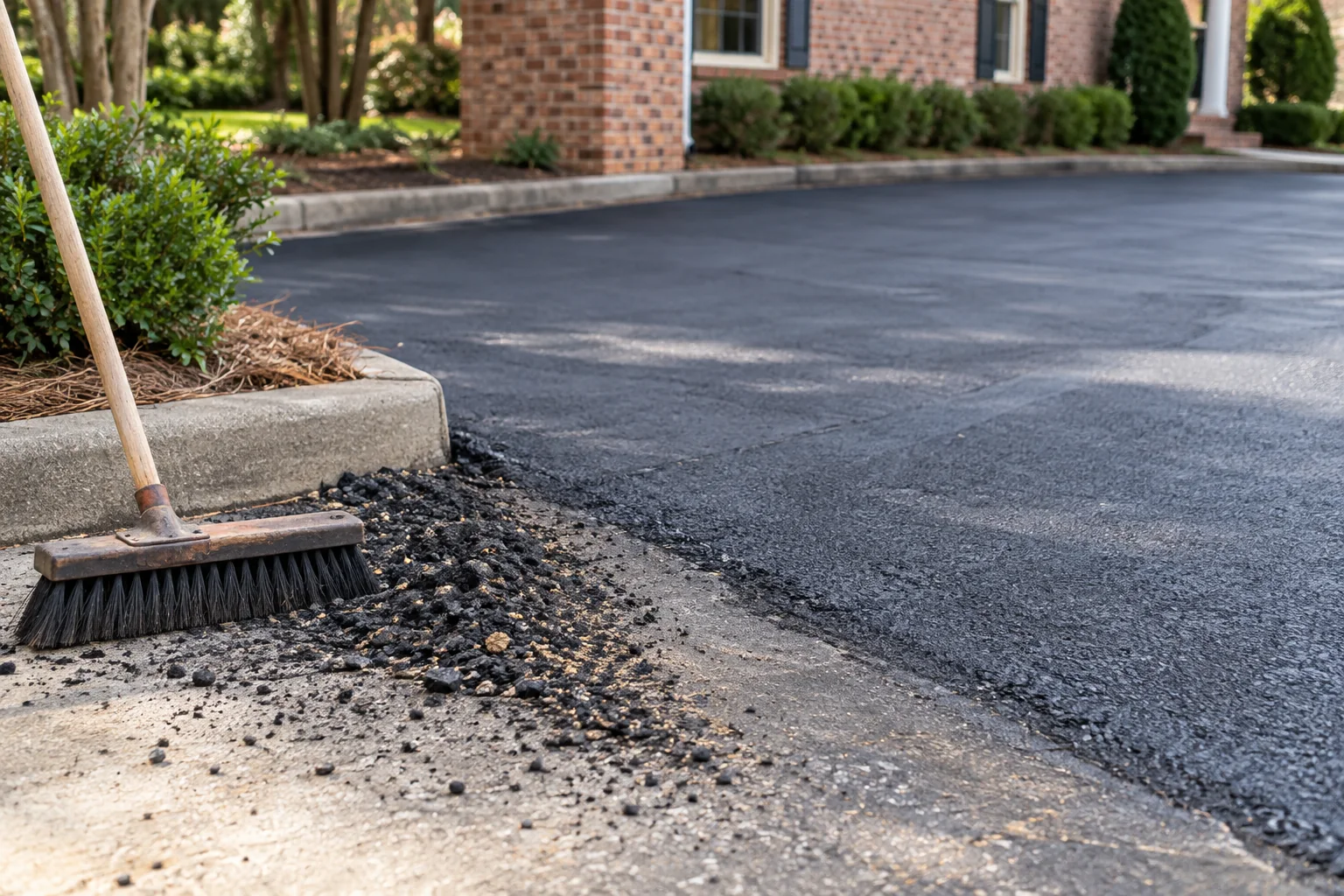
Preparation is the work that makes the next activity possible
Surface preparation is the cleaning and other work needed before a particular pavement activity. The required preparation depends on the material, existing condition and proposed work. A quote should describe the actual operations rather than rely only on the phrase prepare surface. That phrase can hide different assumptions about what the owner or another contractor has already completed.
An owner does not need to choose equipment or a construction method to ask useful questions. Start with what the proposed preparation is intended to accomplish and how it relates to the next activity. Ask which visible conditions are included and what would require a separate repair or decision. This keeps the discussion tied to the actual project rather than a general checklist copied from an unrelated treatment.
Preparation and the finished surface are connected parts of the scope. If one offer includes defined cleaning and localized work while another assumes a ready surface, the totals may not cover the same job. Make those assumptions visible before comparing prices. A short preparation description can be appropriate when clear, but a vague assurance does not tell the owner what has been allowed for.
Begin with an honest record of the existing surface
Provide photographs that show the work area and the conditions prompting the request. Loose material, vegetation, staining, damaged areas and retained markings may each raise different questions. Describe what you observe without assuming that one cleaning method addresses everything. The contractor can explain which conditions fit the proposed preparation and which require another evaluation.
Share known work history where it matters. A recent surface activity, an old patch or a recurring contaminated location may be relevant to the next treatment. If you do not know what product or repair was previously used, say so. Guessing a material history from color can create a misleading basis for the proposal. Available invoices or actual product records are more useful than an unsupported recollection.
Tell the contractor about water collection and repeated deterioration as well. Those concerns should not disappear inside a broad request for cleaning. Preparation for a surface activity may not correct the reason water remains or a patch repeatedly fails. Ask whether the concern is evaluated within the proposed work and what limitation remains if it is outside the scope.
Separate cleaning from repair and other preparation
A surface can need cleaning and still require repair. Ask the proposal to distinguish those activities so the owner understands the intended result. Removing loose debris does not by itself describe treatment of damaged pavement, and repairing a localized area does not explain preparation of the rest of the surface. Each included activity should connect to a condition or project requirement.
If selected cracks, edges or patches receive separate work, identify their locations and the basis for the allowance. Do not assume that every visible defect is included because a general preparation line appears in the quote. The contractor may need a site review or additional information to define those items. Record what is known now and how any later finding will be approved.
Material-specific requirements should come from the actual proposed work and applicable product or project instructions. Avoid choosing a generic sequence from a web article and presenting it as suitable for every pavement. Ask the contractor to explain the preparation included for its proposal. If another provider performs part of that work, identify the handoff and the condition expected before the next activity begins.
Identify what stays and what needs protection or coordination
Preparation takes place near retained features. Garage aprons, curbs, drains, landscaping, doors and parking accessories should be identified where they affect the scope. Ask what work occurs at those locations and which areas are outside the agreement. A general measured pavement area may leave questions at its boundaries unless those connections are discussed separately.
If another trade is working nearby, explain its schedule and responsibilities. Utility work, concrete replacement, landscaping or markings can affect the intended sequence. Ask what must be completed before the pavement activity and who confirms that condition. The crew should not have to infer readiness from the fact that another contractor has left the property.
Also clarify disposal and cleanup associated with preparation. Removed material and disturbed adjacent areas may influence what the owner considers a complete job. The proposal should identify the agreed responsibilities rather than assume that every form of restoration belongs to the paving contractor. Tie the description to the actual location so future completion review can compare the result with the same scope.
Confirm access and readiness before work starts
The contractor needs the agreed work area available for preparation. Identify who moves vehicles, equipment or stored items and when that action must occur. Tell the contractor about entrances and deliveries that cannot be casually closed. A ready-looking surface is not useful if the crew cannot access the area under the assumptions used to schedule the project.
Ask how weather or an unexpected preparation finding affects the next activity. The answer should come from the actual work and site conditions. Avoid promising occupants a fixed reopening time before the contractor has confirmed the sequence. If a phase changes, identify who receives the update and who communicates it to tenants, staff or household members.
Readiness for the next construction activity and reopening for ordinary use are different decisions. An area may be prepared for placement while remaining unavailable to traffic. Ask who confirms each transition and what instructions the owner should follow. Keep those instructions with the project record so someone arriving later does not confuse preparation completion with release of the finished work.
Compare two preparation descriptions before comparing totals
Imagine an owner receives one offer for a surface treatment after owner-provided cleaning and another that includes defined contractor preparation. Ask what condition the first offer expects and whether the property can actually provide it. Then compare the same cleaning, repair and access responsibilities. The lower total may simply exclude work carried elsewhere in the project.
Next imagine both offers mention a damaged entrance but only one separately describes preparation there. Request clarification at that named location and ask how additional findings would be handled. Do not assume that a broad sentence about preparation includes every possible repair. The useful comparison identifies the decision process and the limitation rather than treating an uncertain condition as a completed evaluation.
Keep the final preparation description with the accepted scope and any approved changes. If a separate trade completes part of the work, retain its handoff information too. This provides context for the later surface activity and future maintenance without claiming that preparation photographs alone verify hidden construction or every product-specific requirement.
What to send for a preparation discussion
Send the actual job-site address, wide photographs of the intended work area and close views of the conditions you want reviewed. Include known prior work, planned related activities and access constraints. Ask the contractor to state the preparation included, owner responsibilities, excluded repairs and what needs confirmation before scheduling. These questions turn a general request into a useful scope conversation.
Most Asphalt Solutions projects take place at customer properties. Call or text first to arrange the appropriate next step; visits to the Slidell contact location are by appointment. Listed phone availability is separate from site-work scheduling.
Questions about surface preparation
Meaning in plain language
Surface preparation includes cleaning and other operations needed before a treatment or placement. The exact preparation must fit the material and site condition.
A practical example
Ask what cleaning, repair and removal steps are actually included. A proposal that only names the final treatment can leave preparation unclear.
Use the term in your project discussion
Require preparation to be described separately in the proposal.
Details that matter
- Loose debris
- Existing coatings
- Repair needs
A mistake to avoid
A product name does not tell you how the surface will be prepared.
Continue with the right next step
Property conditions determine the final scope. These planning notes do not replace a site evaluation. How to use our pavement guidance