
Use the next unanswered question to select a guide
After reading a guide, identify the specific question you still need to answer at your property. It might concern the repair boundary, an occupied-site route or the responsibility for a related feature. Bring that question into the actual assessment instead of collect general articles without connecting them to a decision.
Keep any provider response with the current proposal or visit note. If the answer changes the scope, identify the approved revision and retain the reason. A practical resource library supports those conversations while the actual project documents describe the work being authorized.
Return to the relevant checklist at the next stage, such as approval, access coordination or closeout. You do not need to complete every guide before making an initial call. Share the address, actual concern and useful photographs, then ask what information would help the next step. Unknown details can remain unknown until the appropriate review supplies an answer.
Useful answers before the estimate
Plan with better information.
These guides explain the questions to ask about your surface. They provide general planning information, while the actual recommendations depend on your property.

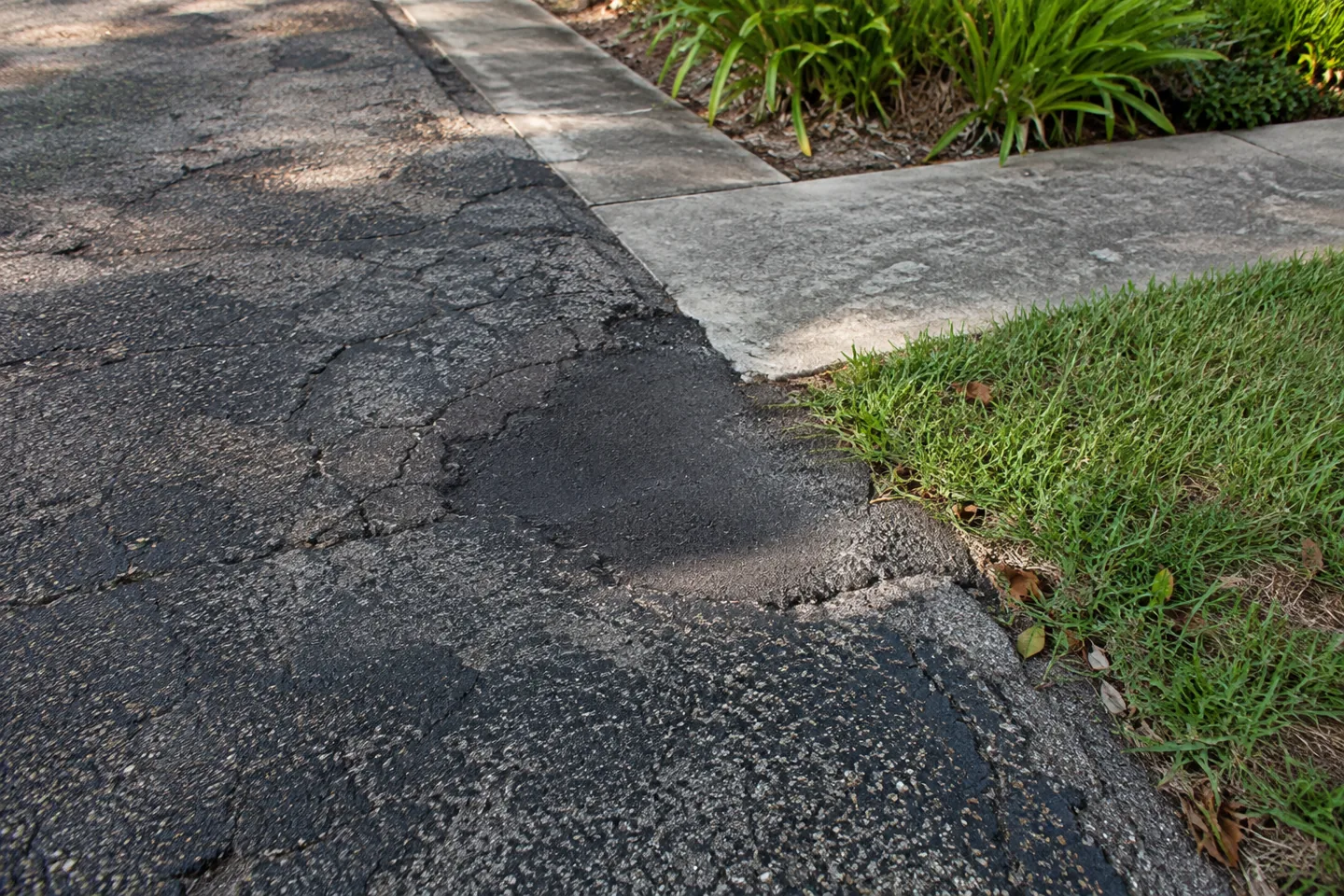
How Long Does Asphalt Last in Louisiana Heat and Rain?
Useful pavement life depends on preparation, drainage, vehicle loads, and maintenance—not a universal number.
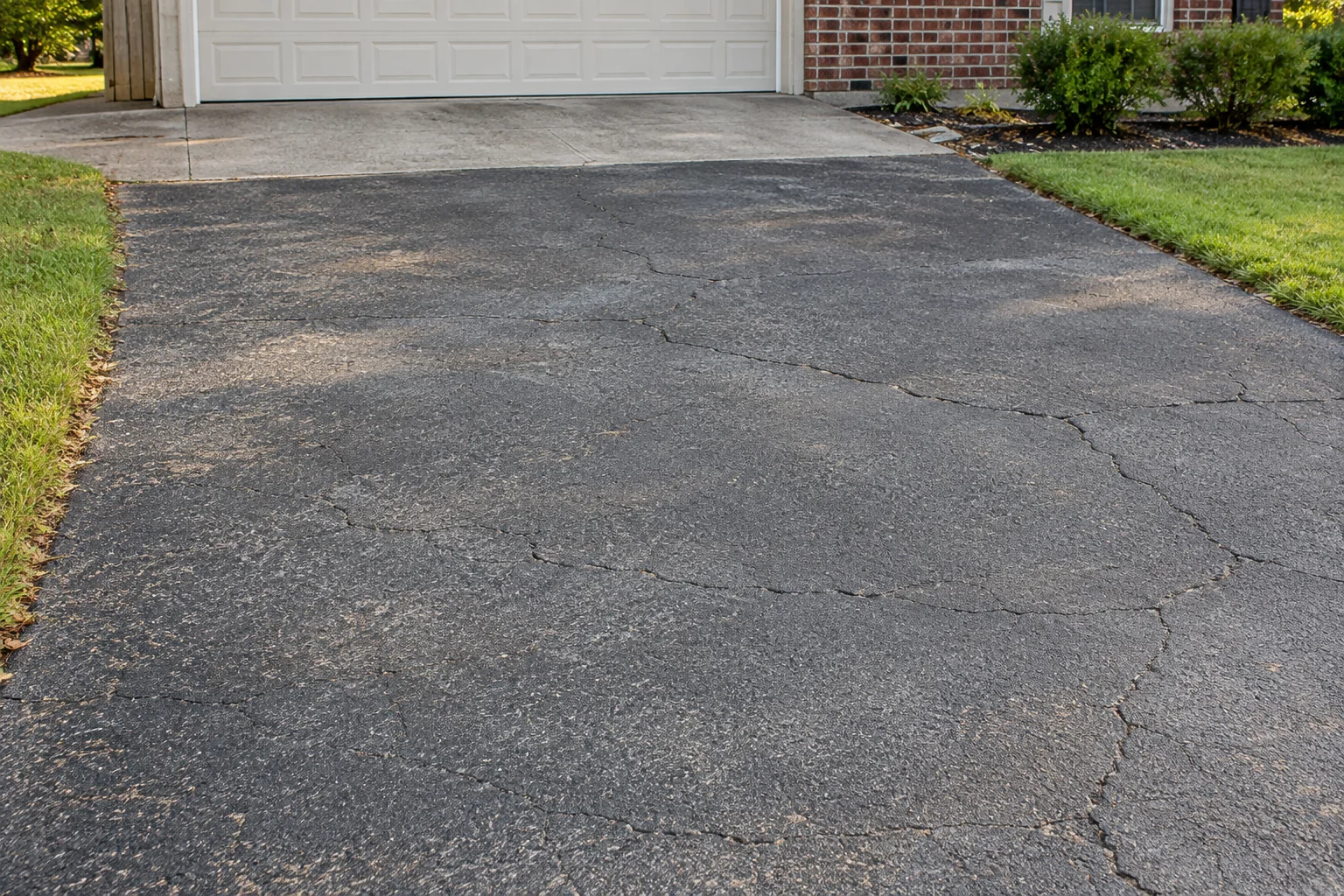
Sealcoating vs. Replacement: What Homeowners Should Know
A protective surface treatment and a rebuilt driveway solve different problems.
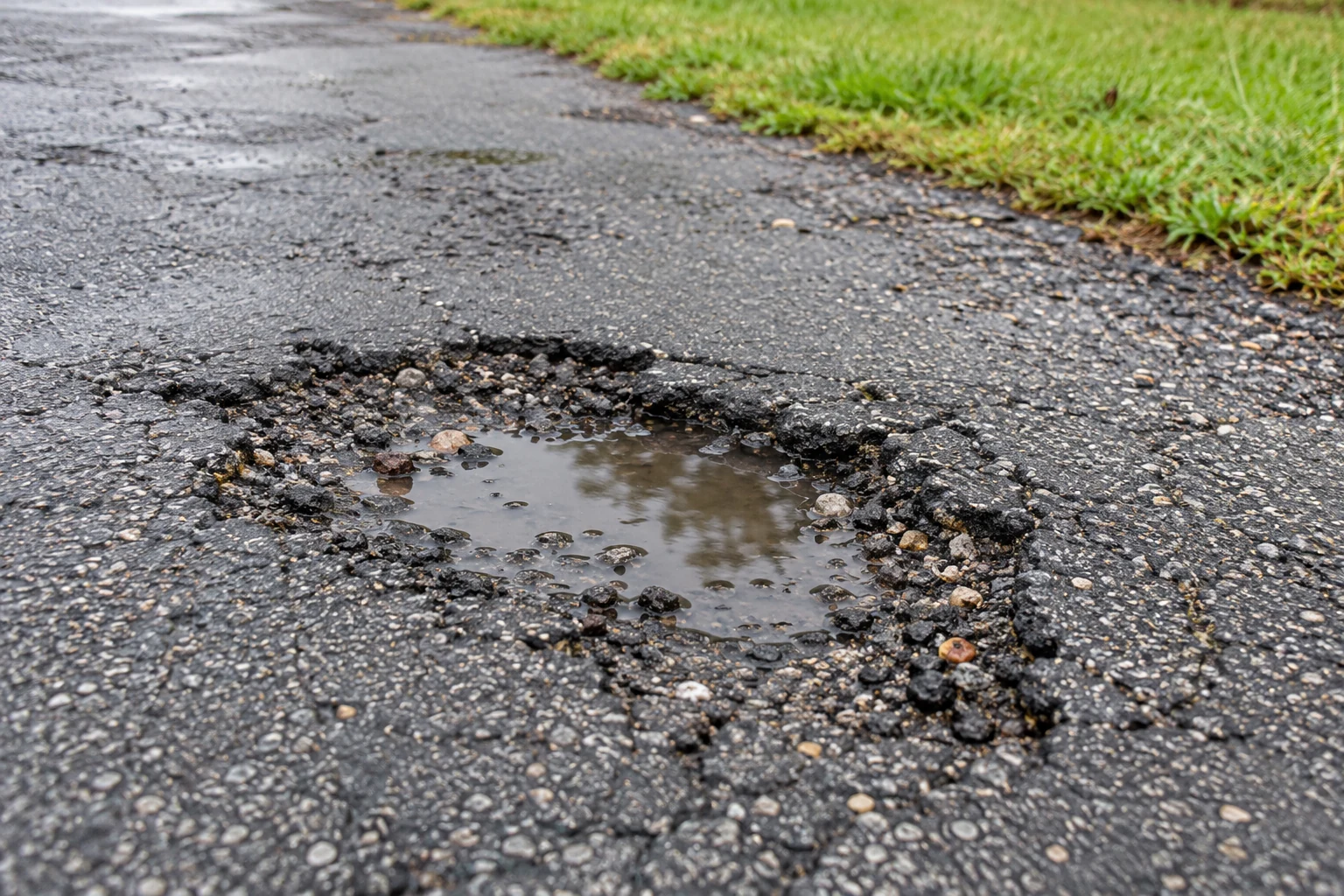
What Causes Potholes in Southeast Louisiana?
Potholes are often a sign of water, traffic, and damaged pavement working together.
Your pavement planning library
Pavement glossary
Find a focused answer and prepare for your next step.
Pavement problems
Find a focused answer and prepare for your next step.
Project planning checklists
Find a focused answer and prepare for your next step.
Property pavement guides
Find a focused answer and prepare for your next step.
Choose the guide for your present decision
The resource library is organized around the questions an owner brings to a paving conversation. You may be trying to understand a surface term, explain a damaged section, compare a proposal or plan access around an active property. Start with that present decision instead of reading every article before making an inquiry. The most useful guide helps you organize the actual address, recognizable section and improvement you want reviewed. You do not need to diagnose hidden pavement conditions or arrive with a selected method. A focused question gives the contractor a practical starting point for discussing the work being requested.
Use the service hub when you want a route into paving, repairs, resurfacing, maintenance or concrete. Use the property guides when household parking, tenant activity or another operating context is central to the request. Choose a decision worksheet when a retained connection or specific scope question needs clearer preparation. These routes can work together, but keep the individual questions recognizable. A broad project folder should not combine every possible concern into one assumed task. The actual property review, provider responses and accepted proposal define the work, while the resources help an owner prepare the information needed for that conversation.
Use surface and damage guides as question starters
Common pavement terms can help an owner describe what is visible and understand the wording used in an estimate. A glossary entry or damage guide is a starting point, not confirmation that the same condition exists beneath a photographed surface. Connect the term with the recognizable area you want reviewed. Share wide photos, closer details and the earlier-work information you actually have. Keep an owner's impression distinguishable from a provider assessment, especially when a crack, patch or opening has several possible explanations. The useful request identifies the visible concern without forcing an unconfirmed diagnosis into the estimate file.
When comparing service approaches, ask what preparation, boundaries and retained features the actual offer includes. An isolated repair, larger resurfacing section and new pavement area can purchase different work even when each is discussed as improving the same property. Keep those differences visible before comparing totals. A general guide should not silently become the specification or an additional promise for a specific job. Use it to prepare a useful question for the contractor, then retain the provider's actual response with the relevant section and current proposal so a later contact can follow what was offered and accepted.
Locate connections before assuming they are included
Driveways and parking lots meet retained walkways, aprons, lawn edges, thresholds, drains and other features. The connection worksheets help identify which item is involved and how it relates to the requested pavement section. Start with a wide view and fixed landmarks, then add a closer image when a visible detail needs explanation. A feature appearing in a photograph does not automatically include work on it in a paving price. Ask whether it is retained, included, excluded, optional or assigned to another provider's review, keeping the actual description and responsible contact clear in the owner record.
If water prompted the request, record actual observation dates and known event timing. Distinguish a photographed appearance from an assumed underground cause or neighboring source. The drainage guides help organize those observations without inventing measurements, private-property design criteria or responsibility findings. When another provider supplies an assessment, keep its source and limitations clear. Name the contact obtaining an unresolved response and connect it with the current pavement boundary. This makes the resource useful as preparation while preserving the difference between an owner worksheet, a separate provider's task and the actual accepted scope of the surface work.
Plan property use around confirmed arrangements
The commercial and residential decision guides help owners describe ordinary access and the activity a surface supports. Household parking, customer routes, deliveries, service visits and tenant entrances can each affect the questions raised during an estimate discussion. Identify the people coordinating users and the contact authorized to approve the work when they differ. State preferred timing as planning information until the responsible parties confirm an arrangement for the actual selected scope. The library can help prepare that discussion without prescribing a temporary route, work window or operating instruction for a property that has not received its own review.
Keep the current proposal and confirmed coordination response together before notices are sent. If another provider or owner decision changes the section, ask whether preparation, access, price or timing needs revision. Save the actual updated instructions and identify who communicates them to affected users. A useful property record makes the current arrangement obvious instead of leaving a future contact to combine an early estimate, an old notice and a later message into a plan that no provider accepted. The guides support clear preparation, while the accepted work and actual provider instructions remain the reference for the property.
Review photographs and examples with their context
Browse the project gallery for driveway surfaces, parking areas, markings and connections with concrete. Use the details that interest you to explain what you want improved at your own property. Include current wide views and closer photographs, with the work address and normal vehicle use. If a retained surface or entrance must stay, identify it in the request. Discuss the relevant preparation, access and work limits with the contractor so the written proposal addresses your priorities clearly.
For an estimate discussion, send the address, a focused set of current wide views, intended use and the improvement requested. Add relevant provider records with their sources and leave uncertain details clear. Keep the full history available for follow-up without sending an unlabeled collection that obscures the present question. Use the quote route for a project request or Contact for a general question, choosing your preferred reply method and matching contact detail. The library is here to make that next conversation more useful, with recognizable facts and practical questions connected to the actual property and proposed work.
Keep the useful guidance with the current property record
Save the resource link that prompted a particular question alongside the provider's actual response. When the project moves from discussion to an accepted offer, keep the selected work, options, revisions and instructions easy to find in the same file. A later property contact should be able to tell which article helped prepare the conversation and which document actually records the agreed work. If a deferred item returns to consideration, add current observations and ask whether the earlier response still fits. This keeps general educational guidance connected with its proper purpose while preserving the actual history and present circumstances of the property.
Questions about using these resources
Decisions that belong in the scope
Prepare for the real property conversation.
Asphalt project decisions
Decide what belongs in an asphalt paving scope before comparing bids.
Concrete project decisions
Prepare a clear concrete scope around access, joints, finishes and connections.
Maintenance project decisions
Match maintenance decisions to the existing surface and the property’s daily use.
Commercial project decisions
Organize the operating decisions that make a commercial pavement project workable.
Drainage and connection decisions
Document the full water path and pavement connections before choosing a repair.